
What Is a Fire & Ice Facial?
The Fire & Ice facial is a two-step clinic facial. The "fire" step is a resurfacing mask or peel-type product that exfoliates the skin, and the "ice" step is a cooling, soothing mask that follows it. It is sold as a "red-carpet" facial, a name from marketing rather than medicine.
How to think about it. The first step works like a superficial chemical peel, so it carries the same considerations. The American Academy of Dermatology says the results of a chemical peel depend largely on the skill of the person performing it, and that superficial peels heal in about one to seven days.
We assess your skin first and tell you whether this facial, a chemical peel or a medicated facial such as HydraFacial suits your concern. Our chemical peel page explains peels in more detail.
Concerns a Fire & Ice Facial May Be Considered For
Dull, Tired-Looking Skin
Exfoliation of dead skin can improve how skin looks and feels.
Uneven Tone and Mild Pigmentation
Surface tone may look more even. Pigmentation needs a plan for its cause. See our pigmentation page.
Fine Lines and Early Ageing Changes
Surface smoothing only. See our wrinkle treatment page.
Acne-Prone Skin
Used as a supportive step, not as an acne treatment. See our acne treatment page.
Dehydrated Skin
The cooling mask is meant to soothe and hydrate.
Who Assesses and Plans Your Treatment
Dr. Karishma Singh, Founder and Skin & Aesthetic Specialist (BHMS, FCHD), leads treatment planning and procedures. Dr. Monica C., Consultant Dermatologist (MD Dermatology, Venereology & Leprosy; NMC-registered), assesses medical causes and prescribes medicines where they are needed.
We tell you at the consultation if your concern is better suited to another treatment, or if a doctor's assessment is needed first.
How Our Fire & Ice Facial Works
Consultation & Skin Prep
We assess your skin type, tone, sensitivity, recent sun exposure, acne, medicines and products, then cleanse the skin.
The "Fire" Resurfacing Step
A resurfacing product is applied for a timed period and then removed. You may feel warmth or tingling.
The "Ice" Cooling Step
A cooling, soothing mask is applied to calm the skin.
Finishing and Aftercare
Moisturiser and sunscreen are applied, and you get written aftercare.
Fire & Ice Facial Options in Pune
Classic Fire & Ice Facial
A single session for dull, tired skin.
Fire & Ice for Acne-Prone Skin
Used as a supportive step with a medical acne plan.
Fire & Ice for Dull Skin
Used for surface radiance. Results are short-lived without maintenance.
Fire & Ice Before an Event
Planning a few days ahead gives time for any flaking to settle.
Series Plans
Superficial peels are often repeated, and the AAD mentions 3 to 5 sessions every 2 to 5 weeks. We advise on a plan for your skin.
Combination Plans
Combined with other facials after assessment. See our HydraFacial page.
What Results Can You Expect?
Skin may look brighter and feel smoother after a session. Results vary from person to person and cannot be promised. A superficial treatment does not change scars, deep lines or deep pigmentation.
Effects fade as skin renews, so maintenance and daily sunscreen matter.
Fire & Ice Facial Cost in Pune
The cost depends on the products used, the number of sessions and review visits, and whether it is combined with another facial or treatment.
We don't work from a fixed price list. After your consultation you receive the recommended plan and a written fee, so you can decide at your own pace.
What Our Fire & Ice Plan Covers
Checks suitability first. Sensitive or reactive skin may need a gentler option.
Is matched to your skin tone. Darker skin has a higher risk of dark marks after peels.
Is performed by a trained clinician. As the AAD advises for peels.
Includes sun protection.
Gives realistic expectations. A surface treatment, not a procedure for scars or deep lines.
Reviews and adjusts. The plan changes if your skin is not responding.
Downtime After a Fire & Ice Facial

Redness, warmth, tightness and mild flaking can occur and usually settle within one to seven days, as for superficial peels.
Most people return to routine activities the same day.
Treated skin is more sensitive to the sun.
Post-Care After a Fire & Ice Facial
Apply sunscreen daily and avoid direct sun for the days we advise.
Don't pick or peel flaking skin.
Use only the gentle products we advise.
Skip retinoids, strong actives and scrubs for the days we advise.
Skip waxing, threading and heavy workouts for the days we advise.
Avoid indoor tanning completely.
Safety, Side Effects and Choosing Who Treats You
Peel-type treatments can cause redness, stinging, dryness, flaking, temporary darkening and, rarely, burns or scarring. The AAD notes risks rise when people skip sun protection, pick at the skin, apply makeup too soon or use indoor tanning. People with darker skin should see a clinician experienced with peels for darker skin tones.
Tell us if you are pregnant or breastfeeding, have sensitive skin, a skin infection, a cold-sore history, or take isotretinoin or retinoids. Always tell us about every product you use.
Why The Skin Firm is Pune's Trusted Clinic
Dermatologist-Led Expertise
Dr. Karishma Singh, Skin Specialist
Personalised Treatment Plans
no one-size-fits-all
Advanced Technology
medical-grade, safe & effective
Proven Track Record
thousands of happy patients
Safety First
evidence-based, dermatologist-approved care
Who Can Consider a Fire & Ice Facial?
People with dull, tired-looking skin.
People wanting a short refresh before an event.
People with mild unevenness of tone.
People with dehydrated skin.
People who can protect treated skin from the sun.
Treatment may need to wait or change if you have a fresh tan or sunburn, very sensitive or broken skin, an infection, take isotretinoin, are pregnant or breastfeeding. Tell us at your consultation.
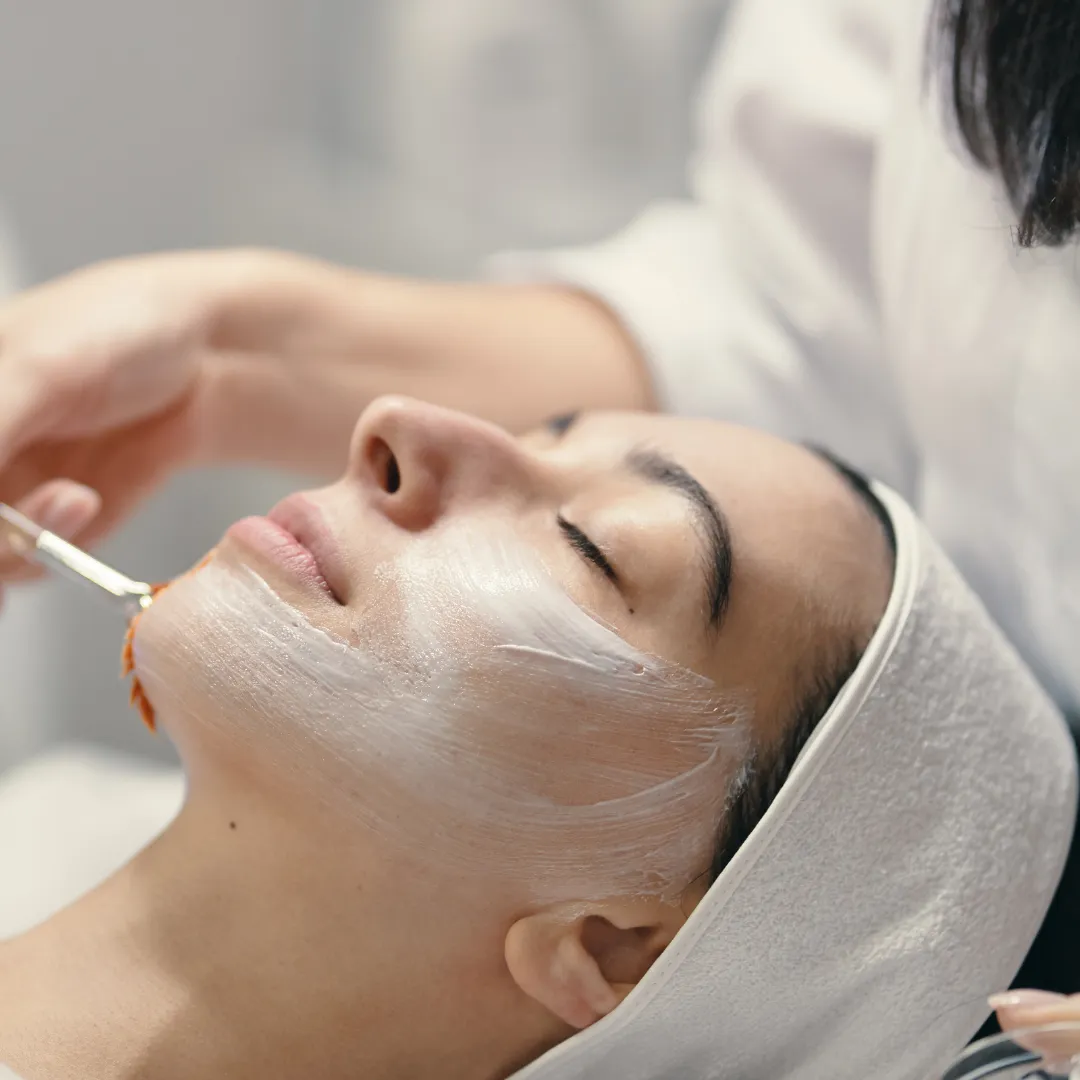
Chemical Peel
A chemical peel is a treatment that applies an acid solution to the skin to loosen and shed its top layers. As the old layer comes away, a n…
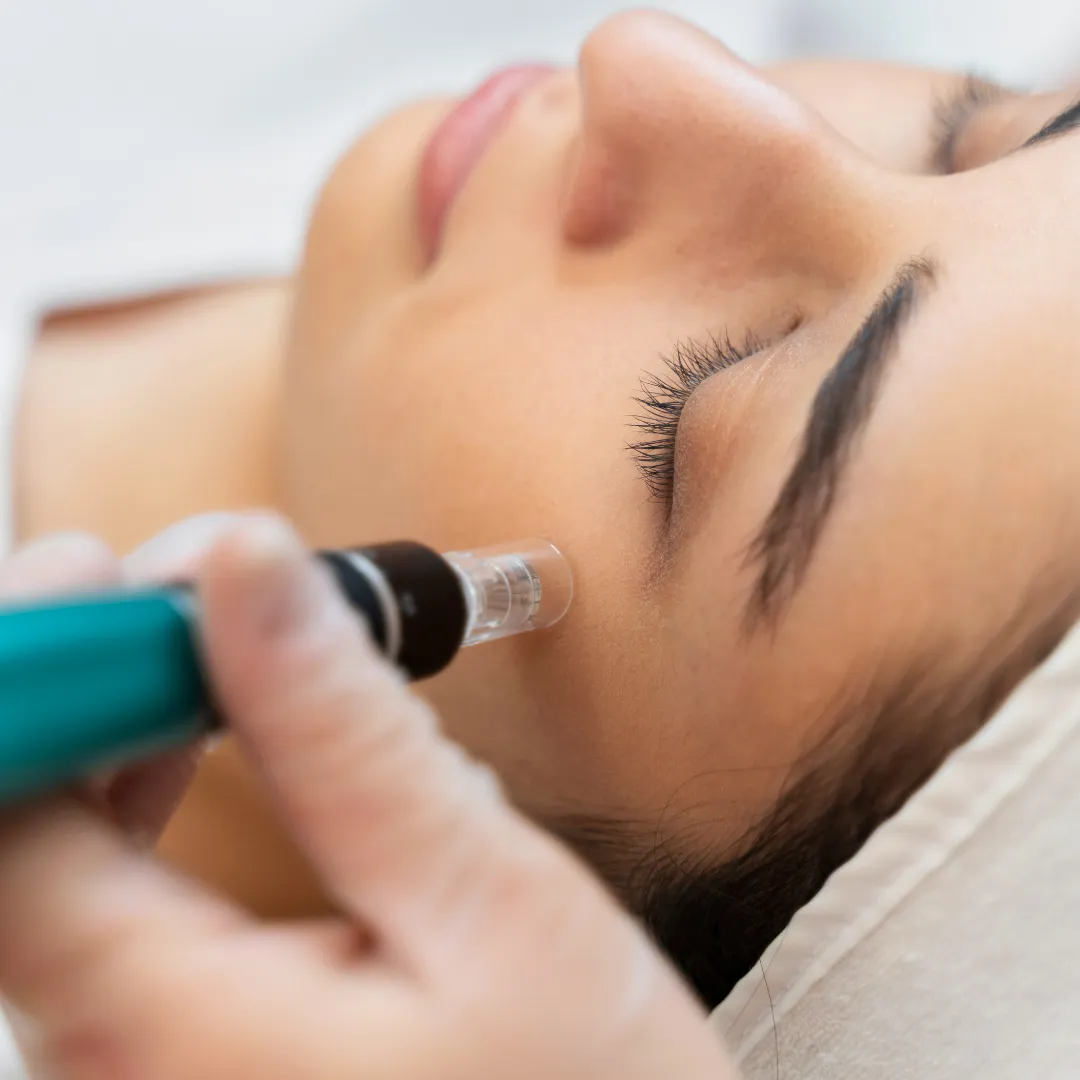
HydraFacial
HydraFacial is a non-invasive cosmetic facial. A handheld device cleanses and exfoliates the skin, clears pores with gentle suction and appl…
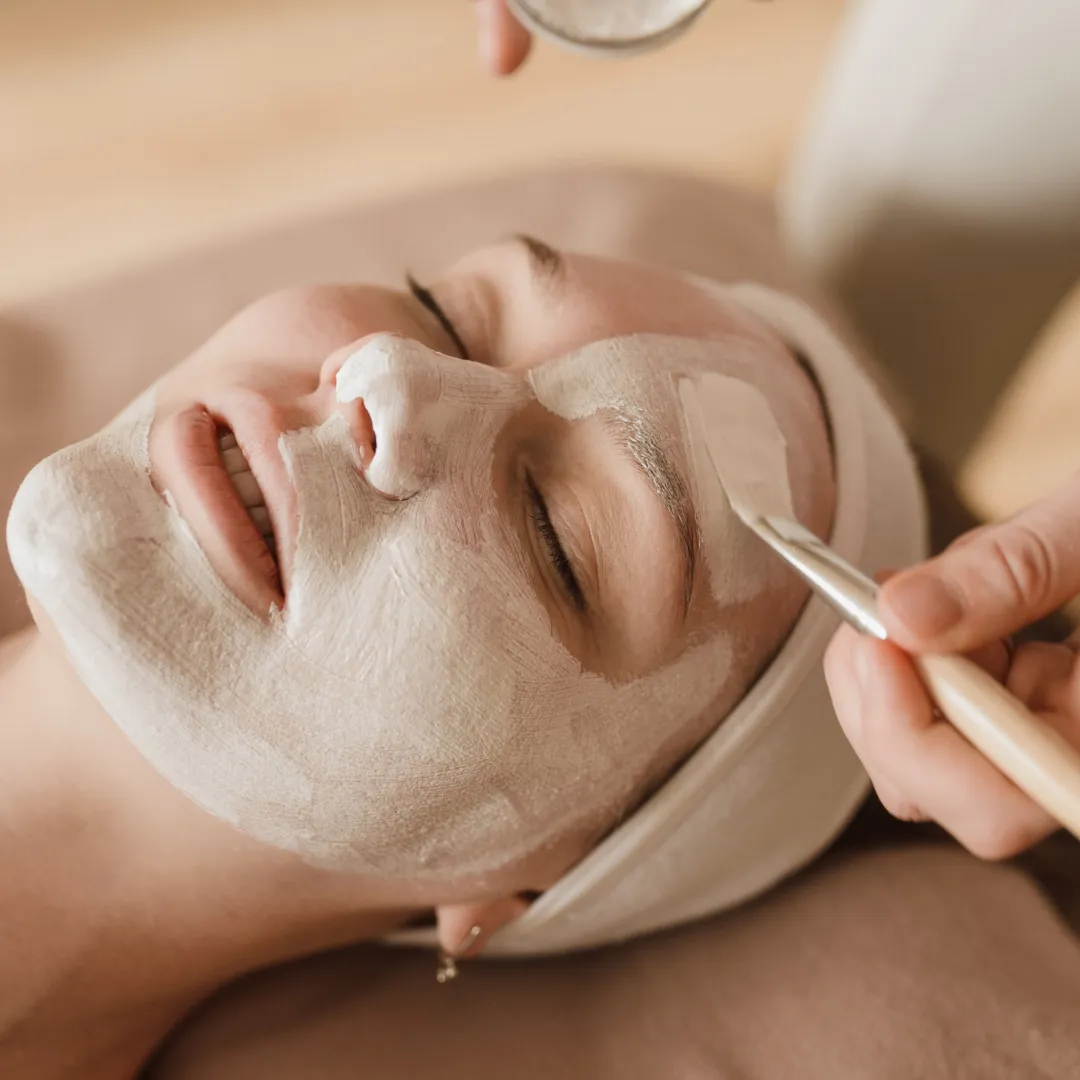
Hollywood Facial
The Hollywood facial, also called a carbon laser facial or red-carpet facial, is a short cosmetic treatment. Carbon lotion is applied to the…

Skin Whitening Treatment
"Skin whitening" is the search term most people use, but a safe treatment does not change the natural colour of your skin. What clinics can…
FAQs on Fire & Ice Facial in Pune
Areas We Serve
We welcome Fire & Ice facial patients from across South Pune, including NIBM, Mohammed Wadi, Kondhwa, Wanowrie, Undri, Magarpatta, Hadapsar and Camp, and from nearby areas of Pune.
Book Your Fire & Ice Facial Consultation in Pune
If you are considering a Fire & Ice facial in South Pune, The Skin Firm is at Mohammed Wadi, NIBM. A consultation covers an assessment of your skin, whether this facial suits it, and a written fee.
We see patients from Kondhwa, NIBM, Wanowrie, Undri and nearby areas. Call +91 8308669966 or use the button below to request a time.