
What Does "Skin Whitening" Treatment Mean?
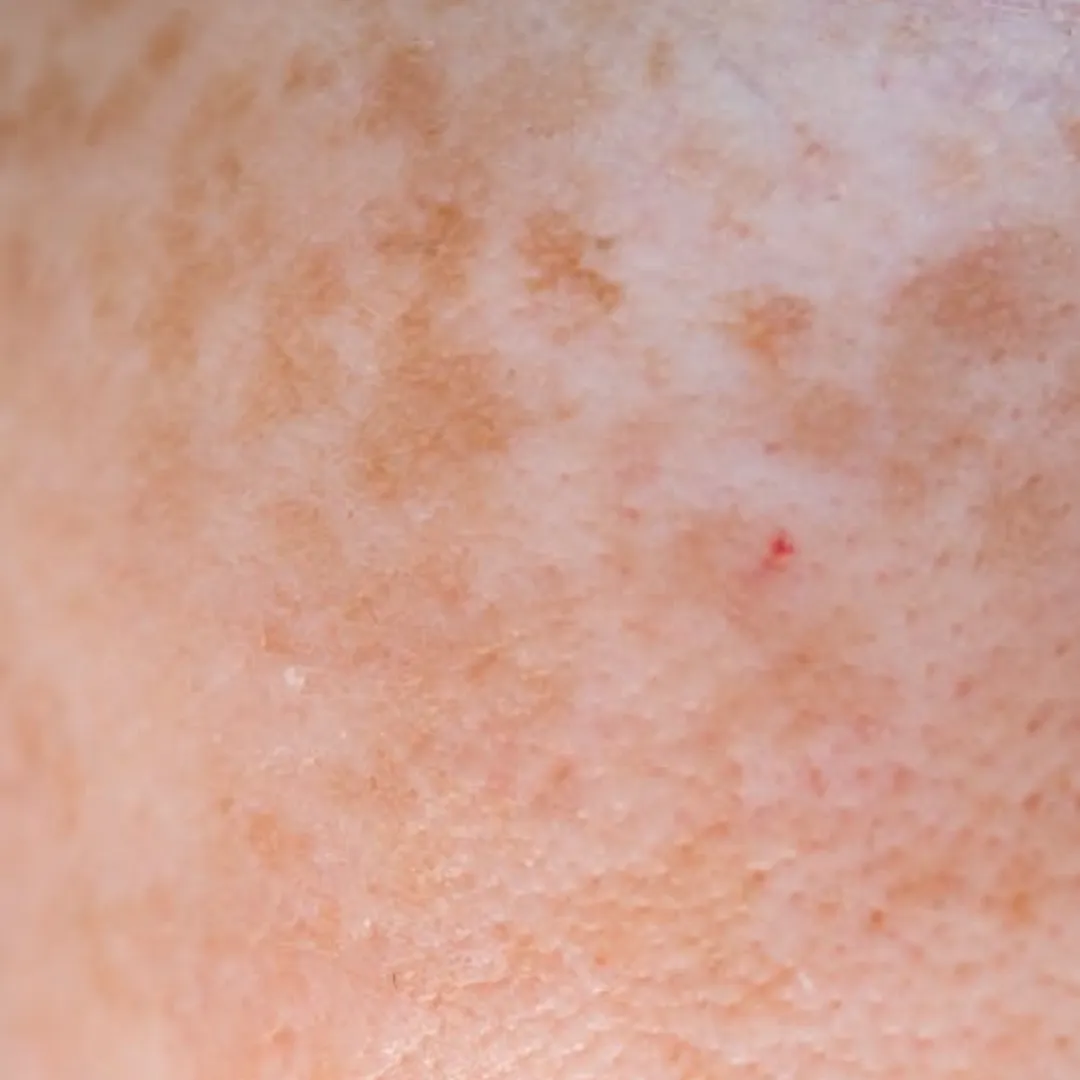
"Skin whitening" is the search term most people use, but a safe treatment does not change the natural colour of your skin. What clinics can do is address the things that make skin look uneven or dull: tanning, dark spots after acne or injury, melasma and rough texture, and build-up of dead skin.
The American Academy of Dermatology explains that dark spots form when skin makes extra melanin in response to a trigger such as healed acne, injury, medicines, irritating products or hormone changes. Spots often fade once the cause is controlled, and sun protection is essential.
At The Skin Firm we assess what is causing the unevenness first. Our pigmentation and melasma and tan removal pages cover those concerns in more detail.
Concerns We Assess Under Skin Brightening
Tanning and uneven tone
Dark spots and marks after acne
Patchy or blotchy pigmentation
Dull, tired-looking skin
Darker underarms, elbows or neck
Dark circles around the eyes
Why Skin Looks Dull or Uneven
Sun exposure. Tanning and sun-triggered dark spots are the most common cause. The AAD recommends a tinted sunscreen, SPF 30 or higher, reapplied every two hours.
Post-inflammatory marks. Spots that follow acne, insect bites, cuts or irritation.
Melasma and hormones. Patchy brown pigmentation that can follow hormone changes, including pregnancy.
Products and medicines. Irritating products and some medicines can darken skin.
Dead skin build-up. Rough, dull skin that reflects light poorly.
Who Assesses and Plans Your Skin Brightening Treatment
Dr. Karishma Singh, Founder and Skin & Aesthetic Specialist (BHMS, FCHD), leads treatment planning and procedures. Dr. Monica C., Consultant Dermatologist (MD Dermatology, Venereology & Leprosy; NMC-registered), assesses medical causes of pigmentation and prescribes medicines where they are needed.
The AAD advises seeing a dermatologist if non-prescription treatments haven't worked, as some spots need prescription-strength treatment. We tell you at the consultation if your concern needs medical review.
How Our Skin Brightening Treatment Works
Consultation & Skin Assessment
We assess your skin tone, type and the cause of the unevenness, along with your sun habits, products and medicines. If a medical cause is possible, we tell you.
Personalised Plan
Your plan may combine sun protection, home care, peels, laser toning or facials. You get the likely timeline, risks and a written fee before you agree.
Treatment Sessions
In-clinic sessions are paced to your skin. We explain how many to expect and how far apart, and test a small area where needed.
Aftercare & Maintenance
You get written skincare and sun-protection advice. We review at set intervals and change what isn't working.
Skin Brightening Treatment Options in Pune
Chemical Peels
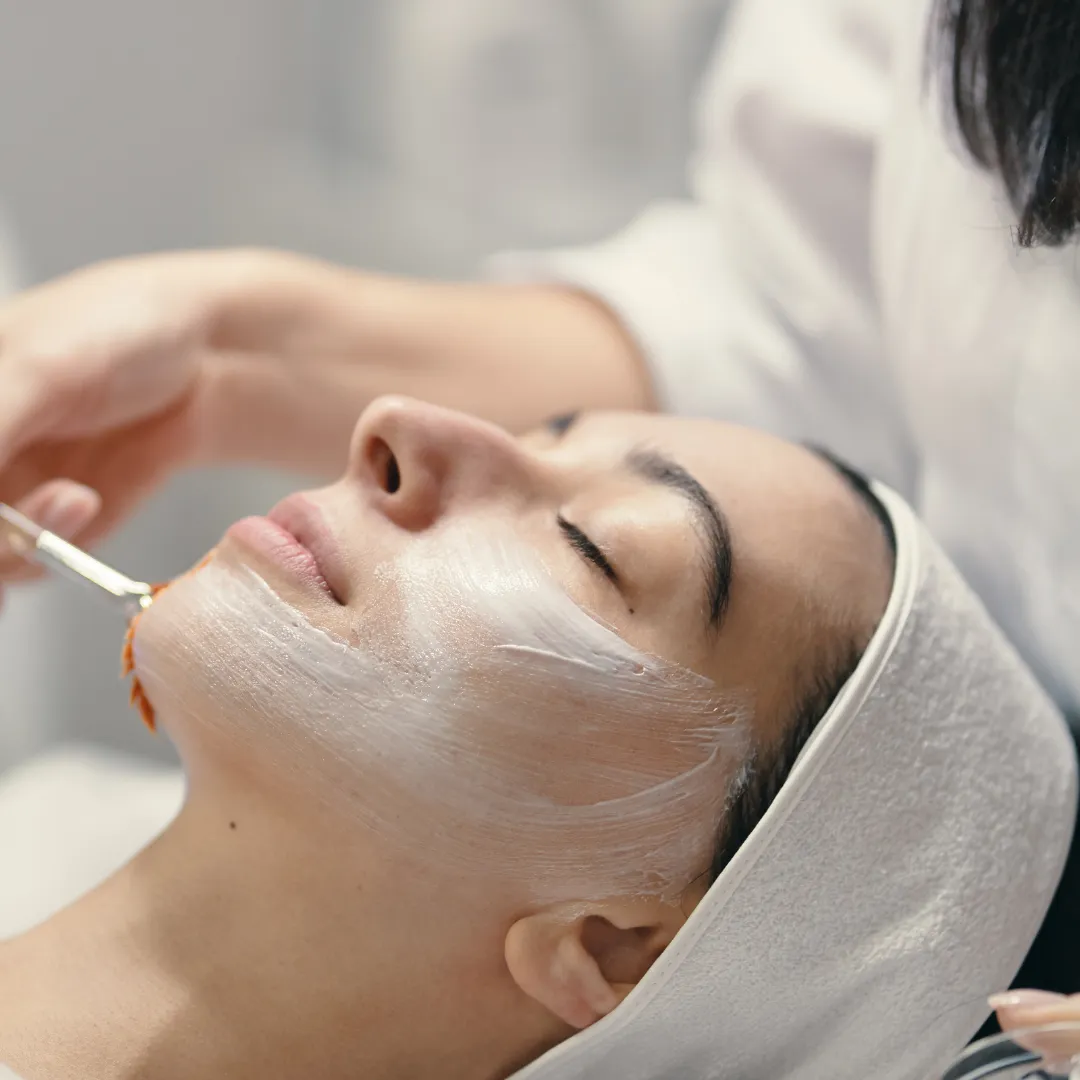
Superficial peels exfoliate the top layers to help tanning and uneven tone. The peel type depends on your skin tone. See our chemical peel page.
Laser Toning (Q-Switch Nd:YAG)
Low-energy laser sessions used for some pigmentation. Suitability depends on the cause and your skin tone. See our Q-switch laser page.
Brightening Facials
Clinical facials such as HydraFacial support dull skin. See our HydraFacial page.
Home Care and Sun Protection
Sunscreen and over-the-counter ingredients such as azelaic acid, kojic acid, vitamin C or retinoids, as the AAD describes, chosen to suit your skin.
Doctor-Prescribed Care
If a medical cause or stubborn pigmentation is found, a doctor may prescribe medicines. Prescription creams need medical supervision.
Combination Plans
Combined plans are adjusted as your skin responds.
What Results Can You Expect?
Per the AAD, dark spots a few shades darker than your natural tone usually fade over 6 to 12 months once the cause is controlled, and deeper pigment can take years. Treatment may speed fading, but results vary from person to person and cannot be promised.
Skin treatments do not make skin "fairer" than your natural tone. Pigmentation can return, especially with sun exposure, so sun protection is part of every plan.
Skin Brightening Treatment Cost in Pune
The cost depends on the cause and extent of the unevenness, the treatments advised (peels, laser toning, facials, medicines), the number of sessions and review visits.
We don't work from a fixed price list. After your assessment you receive the recommended plan and a written fee, so you can decide at your own pace.
What Our Skin Brightening Plan Covers
Finds the cause first. Tan, post-acne marks and melasma need different plans.
Is matched to your skin tone. Darker skin has a higher risk of dark marks after peels and lasers, so settings are chosen carefully.
Includes sun protection. Without it, pigmentation tends to return.
Avoids unsafe products. We do not use or advise mercury- or steroid-containing creams.
Gives realistic timelines. Based on how pigment fades.
Reviews and adjusts. The plan changes if your skin is not responding.
Downtime After Skin Brightening Treatments

Most in-clinic treatments have little downtime. This depends on the procedure.
Peeling or flaking can occur for two to five days after peels.
Mild redness or stinging is common and usually settles within a day or two.
Treated skin is more sensitive to the sun.
Post-Care After Skin Brightening Treatments
Apply sunscreen daily and reapply every two hours outdoors.
Don't pick or peel flaking skin.
Use only the gentle products we advise for the days after treatment.
Pause retinoids and strong actives for the days we advise.
Avoid sun exposure between 10 a.m. and 2 p.m., and wear a wide-brimmed hat.
Skip waxing, threading and scrubs on the treated area until we say it is fine.
Safety, Side Effects and Choosing Who Treats You
Peels and lasers can cause redness, peeling, stinging, dryness, burns, blisters and, rarely, dark or light marks, and darker skin tones have a higher risk of this. Some prescription pigmentation medicines are not suitable during pregnancy or breastfeeding, so tell us if that applies.
Be careful with skin lightening products from unknown sources. The FDA warns that products containing mercury or hydroquinone can cause serious harm, and advises talking to a health care provider about treatment options. Tell us about every product and medicine you use.
Why The Skin Firm is Pune's Trusted Clinic
Dermatologist-Led Expertise
Dr. Karishma Singh, Skin Specialist
Personalised Treatment Plans
no one-size-fits-all
Advanced Technology
medical-grade, safe & effective
Proven Track Record
thousands of happy patients
Safety First
evidence-based, dermatologist-approved care
Who Can Consider Skin Brightening Treatment?
People with tanning from sun exposure.
People with dark spots or marks after acne or injury.
People with dull, uneven skin that has not improved with home care.
People with patchy pigmentation, who should be assessed for melasma.
People who want an assessment before using lightening products.
Treatment may need to wait or change if you are pregnant or breastfeeding, have a recent tan or sunburn, active infection or irritation, or take medicines that increase sun sensitivity. Tell us at your consultation.
Skin Pigmentation & Melasma Treatment
Pigmentation treatment in Pune at The Skin Firm starts with a diagnosis, because dark patches aren't all the same condition. After a skin as…

Tan Removal Treatment
A tan is your skin making extra melanin after sun exposure. Mild tanning often fades by itself over weeks as skin renews, and daily sun prot…
Chemical Peel
A chemical peel is a treatment that applies an acid solution to the skin to loosen and shed its top layers. As the old layer comes away, a n…

Underarm Whitening
Dark underarms are common and usually harmless. Causes include friction and sweat, shaving or waxing irritation, deodorants or other product…
FAQs on Skin Whitening Treatment in Pune
Areas We Serve
We welcome skin whitening and brightening patients from across South Pune, including NIBM, Mohammed Wadi, Kondhwa, Wanowrie, Undri, Magarpatta, Hadapsar and Camp, and from nearby areas of Pune.
Book Your Skin Brightening Consultation in Pune
If you are looking for skin whitening or brightening treatment in South Pune, The Skin Firm is at Mohammed Wadi, NIBM. A consultation covers an assessment of why your skin looks uneven, the options that suit it, and a written fee.
We see patients from Kondhwa, NIBM, Wanowrie, Undri and nearby areas. Call +91 8308669966 or use the button below to request a time.