
What Is Q-Switch Nd:YAG Laser Treatment?
A Q-switched Nd:YAG laser delivers energy in very short pulses that break pigment, such as tattoo ink or some brown marks, into smaller particles that the body clears over time. It is used for selected pigment concerns and for tattoo lightening.
It does not suit every pigment. Melasma can worsen or return after laser treatment in some people, and the American Academy of Dermatology notes that some dark patches need prescription-strength treatment and careful combination by a dermatologist. Sun protection with a broad-spectrum SPF 30 or higher, ideally tinted with iron oxide, is part of any pigment plan.
We examine your skin first and tell you if laser is unlikely to help or if another approach should come first. See our pigmentation and melasma, tattoo removal and underarm pages for related concerns.
Concerns We Assess for Q-Switch Laser
Sun spots and freckles
Some brown patches and age spots
Tattoo lightening or removal
Post-inflammatory marks, after assessment
Dark underarm or neck skin, after assessment
Melasma, only after careful assessment
Who Assesses and Plans Your Treatment
Dr. Karishma Singh, Founder and Skin & Aesthetic Specialist (BHMS, FCHD), leads treatment planning and procedures. Dr. Monica C., Consultant Dermatologist (MD Dermatology, Venereology & Leprosy; NMC-registered), assesses medical causes and prescribes medicines where they are needed.
Laser treatment is a medical procedure. We tell you at the consultation which doctor assesses you and which laser is used, and we advise against it if your skin or the type of pigment makes it unsuitable.
How Our Q-Switch Laser Treatment Works
Consultation & Skin Assessment
We look at the type, depth and cause of the pigment, your skin tone, sun exposure, medicines and any history of melasma or keloid scars.
Patch Test and Plan
Where advised, we test a small area. We then explain the number of sessions, the gap between them, the risks and the written fee.
Laser Session
Protective eyewear is worn and the laser is passed over the area. Cooling or numbing cream can be used for comfort.
Aftercare & Review
You get written aftercare and sun-protection advice. We review the skin and adjust or stop treatment if it reacts.
Q-Switch Laser Options in Pune
Pigment Spots and Freckles
Selected brown spots may fade across sessions. Some do not respond.
Tattoo Lightening or Removal
The AAD says multiple sessions are needed, one laser cannot clear every colour, and light or dark spots can appear.
Melasma-Type Pigment
Used with caution, if at all, as melasma can worsen. Topical treatment and sun protection usually come first.
Dark Area Lightening
Underarm or neck darkening is assessed first, as the cause affects the plan.
Maintenance Sessions
Pigment can return with sun exposure, so occasional follow-up may be advised.
What Results Can You Expect?
Pigment usually fades gradually over several sessions rather than disappearing at once, and some marks respond better than others. Tattoos fade in stages and a faint shadow can remain.
Results vary from person to person and cannot be promised. Sun exposure can bring pigment back.
Q-Switch Laser Cost in Pune
The cost depends on the concern, the size of the area, the number of sessions and any maintenance.
We don't work from a fixed price list. After your consultation you receive the recommended plan and a written fee, so you can decide at your own pace.
What Our Q-Switch Laser Plan Covers
Assesses the pigment first. Type and depth decide if laser helps.
Warns about melasma. It can worsen after laser.
Explains colour limits for tattoos. Some ink may remain.
Explains side effects. Including pigment change and scarring.
Gives sun-protection advice. Treated skin needs it.
Reviews and adjusts. The plan changes if skin reacts.
Downtime After Q-Switch Laser

Redness, mild swelling and a sensation like sunburn can occur for a day or two.
Small crusts, mild blistering or darkening of treated spots can occur and settle.
Most people return to routine activities, with careful sun protection.
Post-Care After Q-Switch Laser
Apply a broad-spectrum SPF 30 or higher, ideally with iron oxide, every morning and reapply every two hours outdoors, as the AAD advises.
Avoid direct sun, tanning and tanning beds.
Do not pick crusts or scabs.
Use a gentle unscented cleanser and moisturiser.
Avoid scrubs, peels and strong actives until we say the skin is ready.
Contact us if there is blistering, pus, spreading redness or new dark patches.
Safety, Side Effects and Choosing Who Treats You
Q-switch laser can cause pain, redness, swelling, blistering, light or dark spots, texture change and scarring. Darker skin carries a higher risk of pigment change, and melasma can worsen. Burns and scarring are more likely with an operator without medical training. Infection is uncommon but possible.
Tell us if you are pregnant or breastfeeding, have a tan, melasma, keloid scars, a skin infection or a weakened immune system, or take isotretinoin or medicines that make skin light-sensitive.
Why The Skin Firm is Pune's Trusted Clinic
Dermatologist-Led Expertise
Dr. Karishma Singh, Skin Specialist
Personalised Treatment Plans
no one-size-fits-all
Advanced Technology
medical-grade, safe & effective
Proven Track Record
thousands of happy patients
Safety First
evidence-based, dermatologist-approved care
Who Can Consider Q-Switch Laser?
People with selected pigment spots that have been assessed.
People wanting a tattoo lightened after assessment.
People who can protect their skin from sun every day.
People who understand several spaced sessions are common.
People who accept that some pigment or ink may remain.
Treatment may need to wait or change if you have melasma, a tan, an infection, keloid scars, are pregnant or breastfeeding, or take photosensitising medicines. Tell us at your consultation.
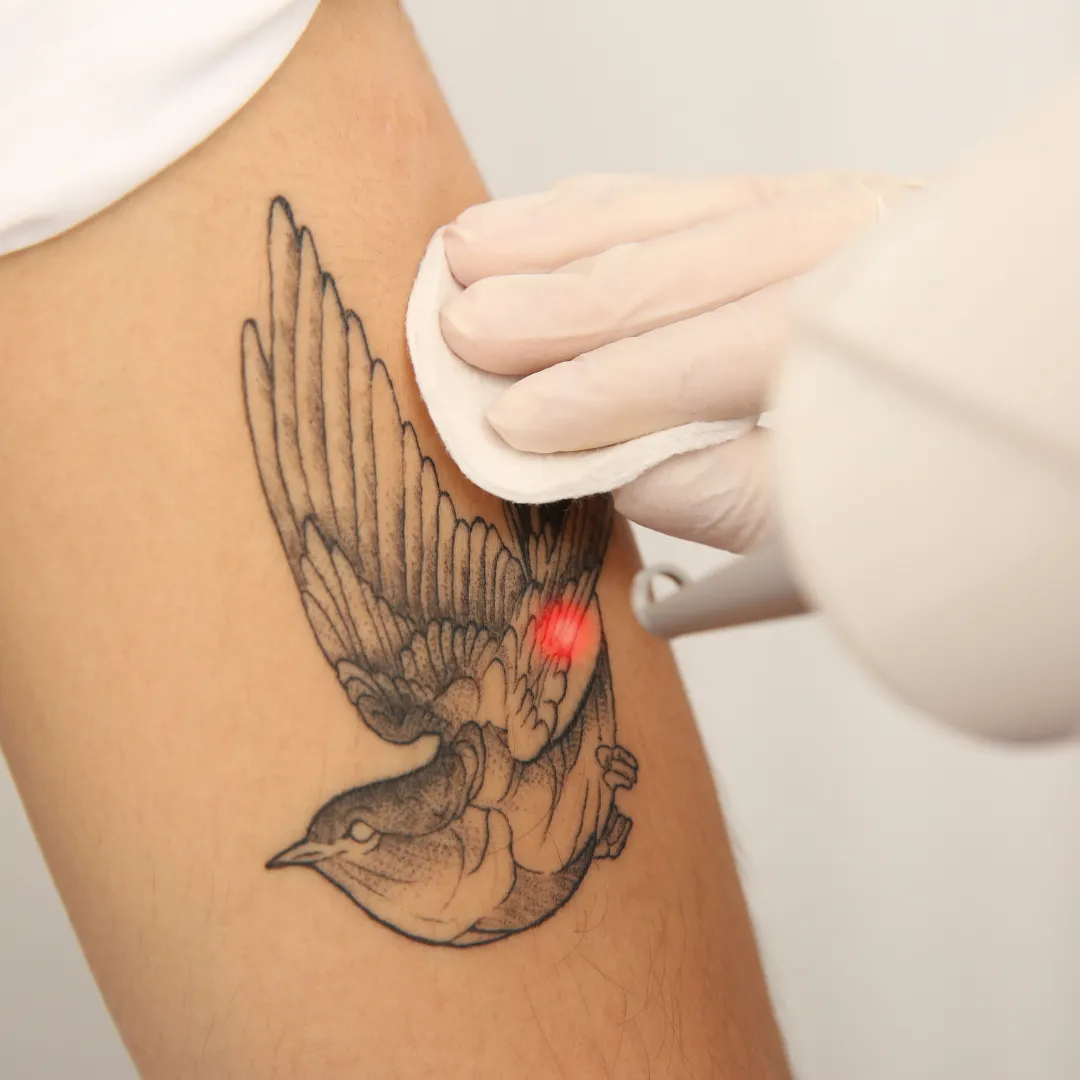
Laser Tattoo Removal
Laser tattoo removal uses light energy to break tattoo ink into smaller particles, which the body clears over time. Because ink sits in laye…
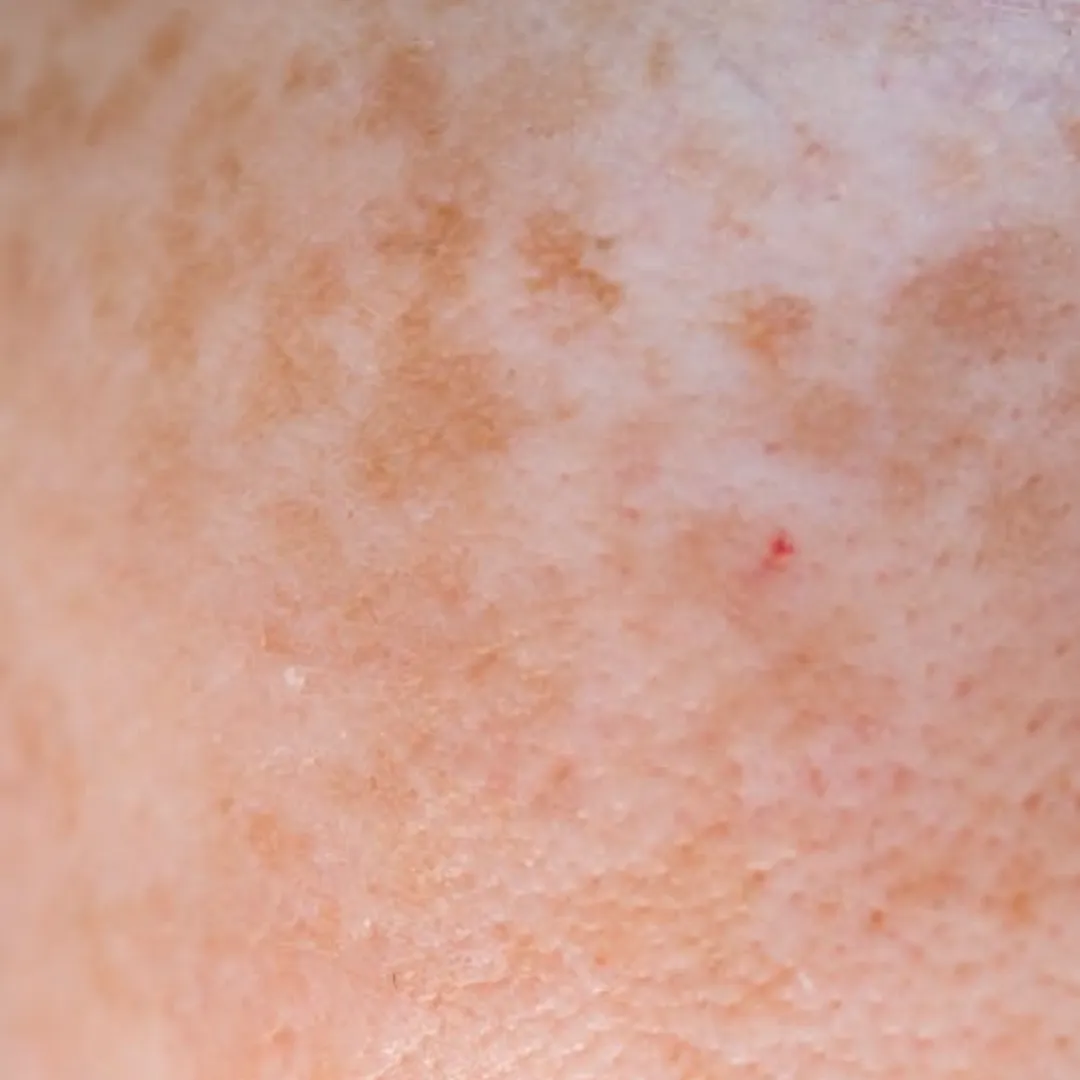
Skin Pigmentation & Melasma Treatment
Pigmentation treatment in Pune at The Skin Firm starts with a diagnosis, because dark patches aren't all the same condition. After a skin as…
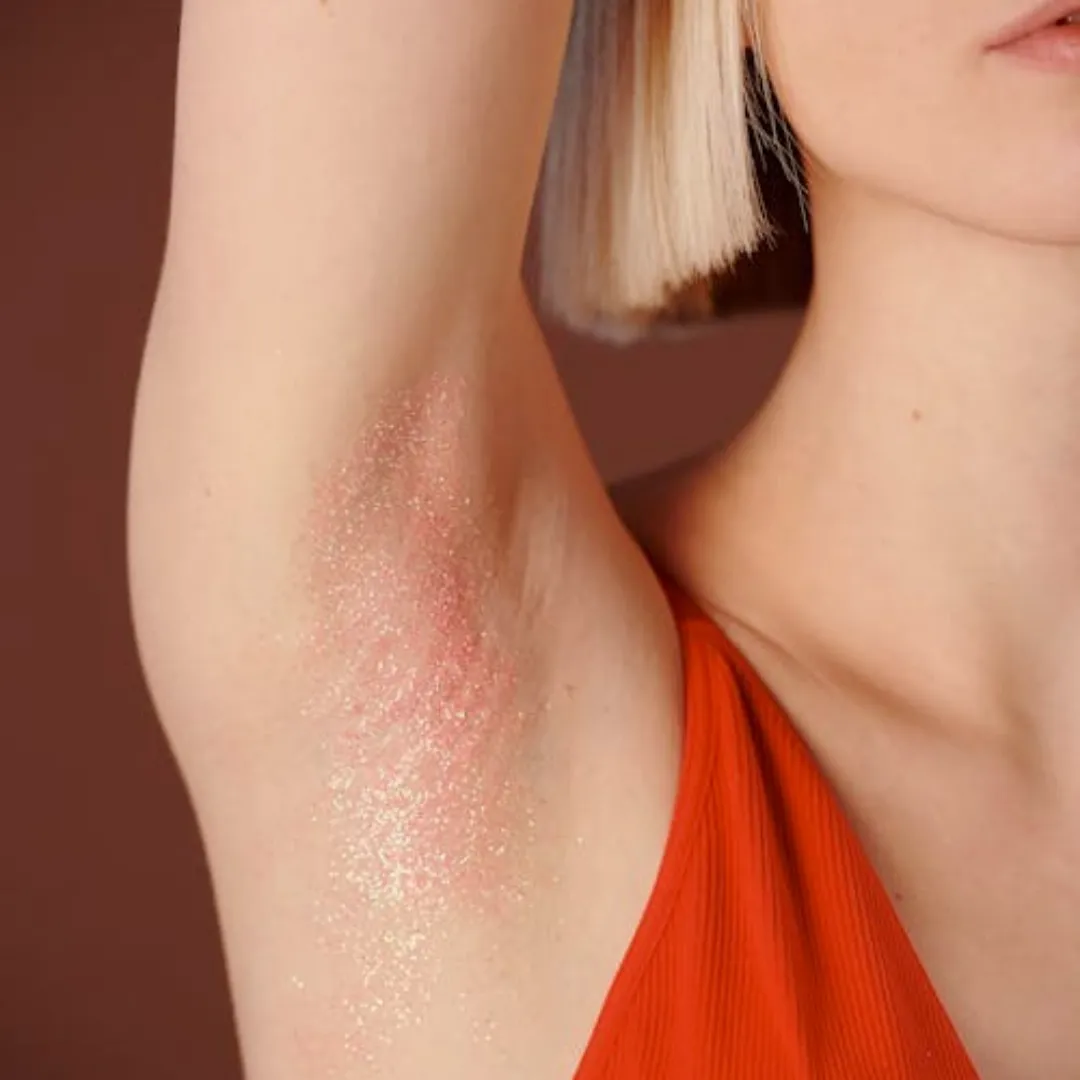
Underarm Whitening
Dark underarms are common and usually harmless. Causes include friction and sweat, shaving or waxing irritation, deodorants or other product…
FAQs on Q-Switch Nd:YAG Laser in Pune
Areas We Serve
We welcome Q-switch laser patients from across South Pune, including NIBM, Mohammed Wadi, Kondhwa, Wanowrie, Undri, Magarpatta, Hadapsar and Camp, and from nearby areas of Pune.
Book Your Q-Switch Laser Consultation in Pune
If you are considering Q-Switch laser for pigment or a tattoo, The Skin Firm is at Mohammed Wadi, NIBM, South Pune. A consultation covers an assessment of your skin, the laser used, the number of sessions and a written fee.
We see patients from Kondhwa, NIBM, Wanowrie, Undri and nearby areas. Call +91 8308669966 or use the button below to request a time.