
What Is Skin Pigmentation and Melasma?
Pigmentation treatment in Pune at The Skin Firm starts with a diagnosis, because dark patches aren't all the same condition. After a skin assessment at our clinic in Mohammed Wadi, NIBM, we match laser, peels, medical facials or prescription creams to your pigment type, how deep it sits and what triggers it. Pigmentation happens when melanocytes, the cells that make skin colour, produce extra melanin. UV light, hormonal change and inflammation such as acne are the usual triggers. Melasma is one specific pattern: symmetrical brown or grey-brown patches on the cheeks, forehead, upper lip or nose. That's why a serum off the shelf so often disappoints. Some pigment sits deeper than most topical products reach, and an irritating product on the wrong kind of patch can leave it darker. Diagnosis first, products second.
Signs & Symptoms of Pigmentation & Melasma
Brown, grey-brown or tan patches on the cheeks, forehead, upper lip or nose
Uneven skin tone or a blotchy look
Small, flat brown spots in sun-exposed areas
Dark marks that stay after acne or irritation has healed
Patches that look darker after sun, heat or hormonal changes
Skin that looks dull because the tone is uneven
A dark spot that is raised, changing, bleeding or itching needs a medical check before any cosmetic treatment
Types of Pigmentation We Treat
Melasma
Symmetrical brown or grey-brown patches on the cheeks, forehead, upper lip and nose. It's linked to hormones (pregnancy, some contraceptive pills, perimenopause), sun and heat, and is common in Indian women. It can be managed but tends to return, which is why maintenance is part of the plan.
Post-Inflammatory Hyperpigmentation
Dark marks left after acne, a rash, a burn or other irritation. In deeper skin tones the skin makes more pigment in response to inflammation, so these marks can last for months. Marks that come with texture change are covered on our acne scars and marks treatment page.
Sunspots and Solar Lentigines
Small, well-defined brown spots from years of UV exposure, most often on the face, hands and shoulders and more common from the mid-30s. They can respond well to treatment but may reappear without daily sun protection.
Tan and Uneven Tone
Tanning is a temporary UV response and usually settles faster than true pigmentation. If tan is your main concern, see our tan removal treatment page.
Pigmentation Around the Mouth and Other Areas
Darkening around the mouth, on the neck or in skin folds can come from hormones, friction or product reactions. We find the cause before suggesting a plan, because treatment for these areas is individualised.
Why Melasma Comes Back and How We Plan Sessions
Melasma patches can lighten with treatment, but the melanocytes behind them stay sensitive to hormones, UV and heat. If a trigger is still active, the patches can return. That isn't a failed treatment; it's how the condition behaves. So we plan melasma care over time: clinic sessions, daily sun protection and a home routine you can actually keep up. Sun spots and post-acne marks often respond faster and can stay clear for longer, as long as the cause is controlled. How many sessions? It depends on the type of pigmentation, how deep it sits and how your skin responds. Many plans involve several sessions, often 4 to 8, spaced a few weeks apart with a review in between. Change is gradual, and we adjust the plan if your skin isn't responding as expected. Results vary from person to person and can't be guaranteed.
Pigmentation & Melasma Treatment at The Skin Firm: Who Plans Your Care
Your plan starts with a consultation, not a package. We look at your pigment type, how deep it sits, what triggers it, and how your skin has reacted to products or procedures before. Dr. Karishma Singh, Founder and Skin & Aesthetic Specialist (BHMS, FCHD), leads aesthetic treatment planning at the clinic. Dr. Monica C., Consultant Dermatologist (MD Dermatology, NMC-registered), sees medical concerns and prescribes where a prescription treatment is needed. We use medical-grade devices and products, adjust settings to your skin type, and explain the risks and alternatives before you agree to a treatment. Melasma tends to return, which is one reason we favour gentle settings and combination plans over a single aggressive session. The American Academy of Dermatology's melasma self-care guidance covers the sun-protection basics we also advise.
How Our Skin Pigmentation & Melasma Treatment Works
Skin Consultation & Assessment
We examine your skin and ask about triggers: sun, hormones, medicines and past treatments. Pigmentation can look alike and need very different care.
Personalised Treatment Plan
Your plan may combine peels, laser, medical facials and prescription topicals, in an order that suits your skin. Anything unsuitable for you, for example during pregnancy, is left out.
Treatment Sessions
Sessions are spaced a few weeks apart. On deeper skin tones we start gently and review how your skin responds before increasing intensity.
Aftercare & Maintenance
You get sun-protection and home-care guidance, and we review progress to adjust or step down the plan. Maintenance matters most for melasma.
Types of Skin Pigmentation & Melasma Treatments We Offer in Pune
Chemical Peels for Pigmentation
Peels shed the top layers of skin where excess pigment collects. Gentler acids, such as mandelic acid, are often chosen for Indian skin because they carry a lower risk of irritation. Options are explained on our chemical peel page.
Laser Treatment for Pigmentation
Q-switched Nd:YAG laser targets melanin with very short pulses. For melasma it's used at gentle, low-energy settings alongside topicals and sun protection, because aggressive settings can cause rebound darkening on deeper skin tones. More on our Q-switch Nd:YAG laser page.
Medi-Facials for Skin Pigmentation
Medical facials such as HydraFacial combine cleansing, exfoliation and infusion of brightening or soothing ingredients. They suit mild uneven tone and upkeep between stronger treatments. See all our medi-facials.
Prescription Topicals
Creams and serums with pigment-reducing ingredients, retinoids or antioxidants such as vitamin C can be part of a plan. Stronger ingredients are prescribed by a registered doctor, used for a set period and reviewed, because misuse can irritate skin and worsen pigmentation.
LED Therapy
LED is used as a supportive step to calm skin after procedures. It isn't a stand-alone treatment for pigmentation.
Combination Treatments
Many people need more than one approach: a laser or peel course, a prescription cream at home and daily sunscreen. We combine only what your skin can tolerate and review progress at each visit.
Pigmentation Treatment Cost in Pune
There's no single price for pigmentation treatment in Pune, because the plan decides the fee. We confirm your fee in writing after the consultation, before any treatment starts. What changes the cost: the type and spread of pigmentation (melasma across both cheeks is a bigger job than a few sun spots), the treatments chosen (laser, peels, medical facials or prescription products), and the number of sessions and any follow-up or maintenance. Laser treatment for pigmentation cost in Pune varies for the same reasons: the area treated, the device and the number of sessions. Ask any clinic for a written plan that lists the treatments, the expected number of sessions and the fee per visit.
Benefits of Pigmentation & Melasma Treatment at The Skin Firm
Aims to reduce the visibility of dark patches and uneven tone
Targets the likely trigger, not only the surface
Helps dull, sun-affected skin look more even
Uses settings and products chosen for Indian skin tones
Sets clear expectations on sessions, recurrence and maintenance
Gives you a home routine you can realistically keep
SPF Is Not Optional in Melasma Treatment
UV light stimulates melanocytes even on cloudy days and through glass, and visible light can worsen melasma too, especially on deeper skin tones. Pune's strong summer sun makes daily protection a core part of every melasma plan at our NIBM, Mohammed Wadi clinic. We usually advise a broad-spectrum sunscreen of SPF 30 or higher, applied every morning and reapplied every two hours outdoors. For melasma, a tinted sunscreen containing iron oxide can help because it also blocks visible light. We go through the product and how to apply it at your consultation. Treating pigmentation in the clinic while skipping sunscreen works against the plan.
Safety and Side Effects of Pigmentation Treatment on Indian Skin
Pigmentation treatment carries more risk on deeper skin tones, because these skin types respond to irritation by making more pigment. That's why we go slowly and check how your skin responds before increasing intensity. Common, temporary effects include redness, dryness, flaking and sun sensitivity. Less common effects include post-inflammatory darkening, patchy lightening (hypopigmentation) and rebound pigmentation in melasma. Rarely, blistering, infection or scarring can occur. Your own risk depends on your skin type, the treatment chosen and how well sun protection is followed. Before any plan we ask about your medical history, medicines (including isotretinoin and hormonal pills), pregnancy and past reactions. If a patch looks unusual, we advise a medical check first. If your skin reacts unexpectedly after a visit, call the clinic on +91 8308669966.
Downtime After Pigmentation & Melasma Treatments

Minimal Downtime: most people return to routine activities the same day, depending on the treatment.
Redness or Peeling: mild redness, dryness or flaking can last a few days after peels or laser.
Sun Sensitivity: treated skin is more sensitive to sun, so strict protection is part of the plan.
Gradual Change: pigmentation usually fades in stages over several sessions, not in one visit.
Post-Care After Pigmentation & Melasma Treatments
Apply broad-spectrum sunscreen every morning and reapply outdoors
Avoid direct sun, tanning and heat exposure for the period we advise
Pause retinoids and strong actives for the number of days we advise
Use a gentle cleanser and a moisturiser; don't scrub, pick or peel flaking skin
Follow the home routine we prescribe and come to your review visit
Why The Skin Firm is Pune's Trusted Clinic
Dermatologist-Led Expertise
Dr. Karishma Singh, Skin Specialist
Personalised Treatment Plans
no one-size-fits-all
Advanced Technology
medical-grade, safe & effective
Proven Track Record
thousands of happy patients
Safety First
evidence-based, dermatologist-approved care
Who Can Consider Pigmentation & Melasma Treatment?
Women whose melasma is linked to hormonal change (timing is decided by your doctor, and many procedures are postponed in pregnancy)
Men and women with sun-related spots or patches
People with dark marks left after acne or irritation
Adults with uneven tone who want a clinical assessment instead of trial and error with products
People of different skin tones, after assessment; deeper tones need extra care to avoid post-treatment darkening
Treatment may need to wait if you have an active infection or open wound, a recent tan or heavy sun exposure, recent isotretinoin use, a tendency to keloid scars, or a patch that needs a medical check first
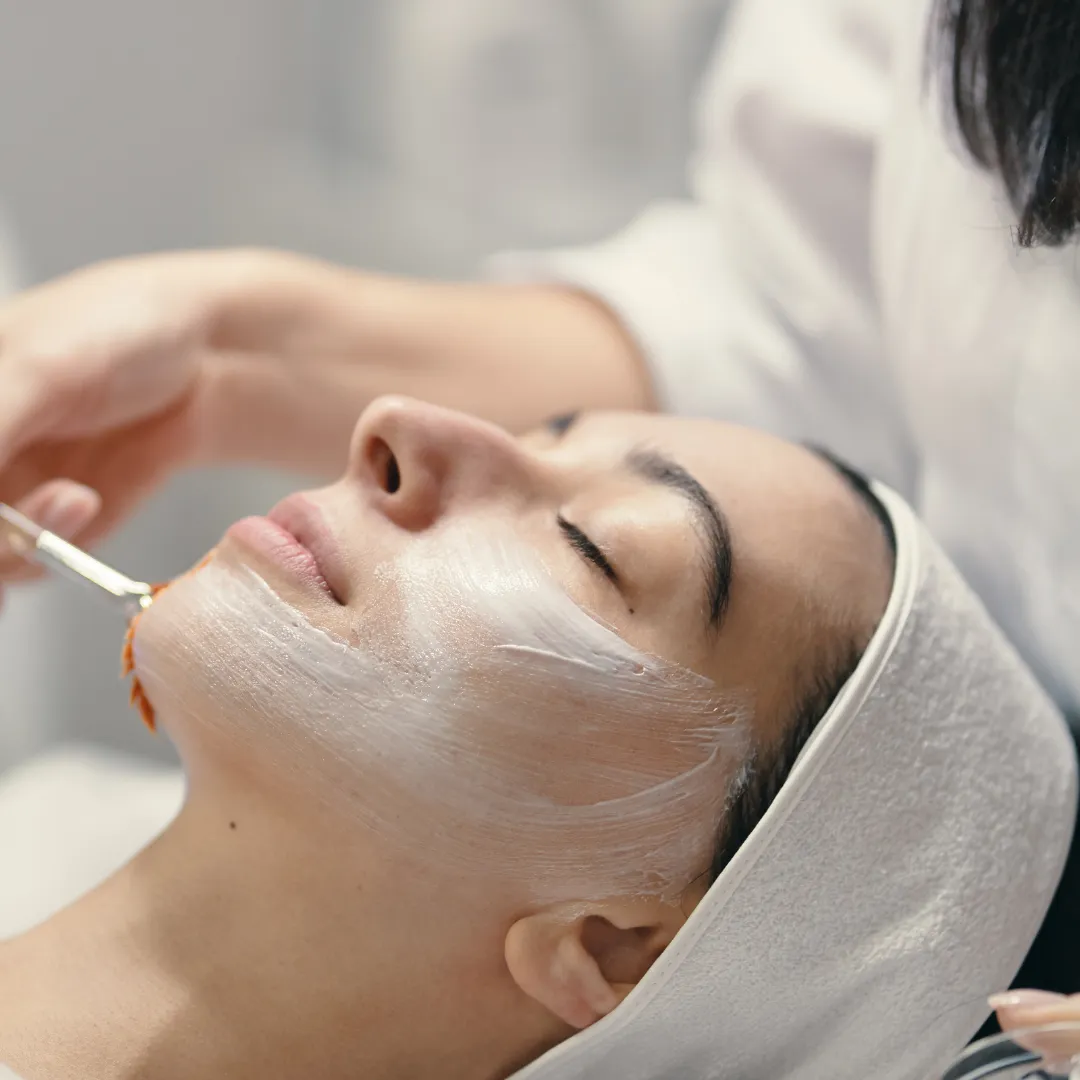
Chemical Peel
A chemical peel is a treatment that applies an acid solution to the skin to loosen and shed its top layers. As the old layer comes away, a n…
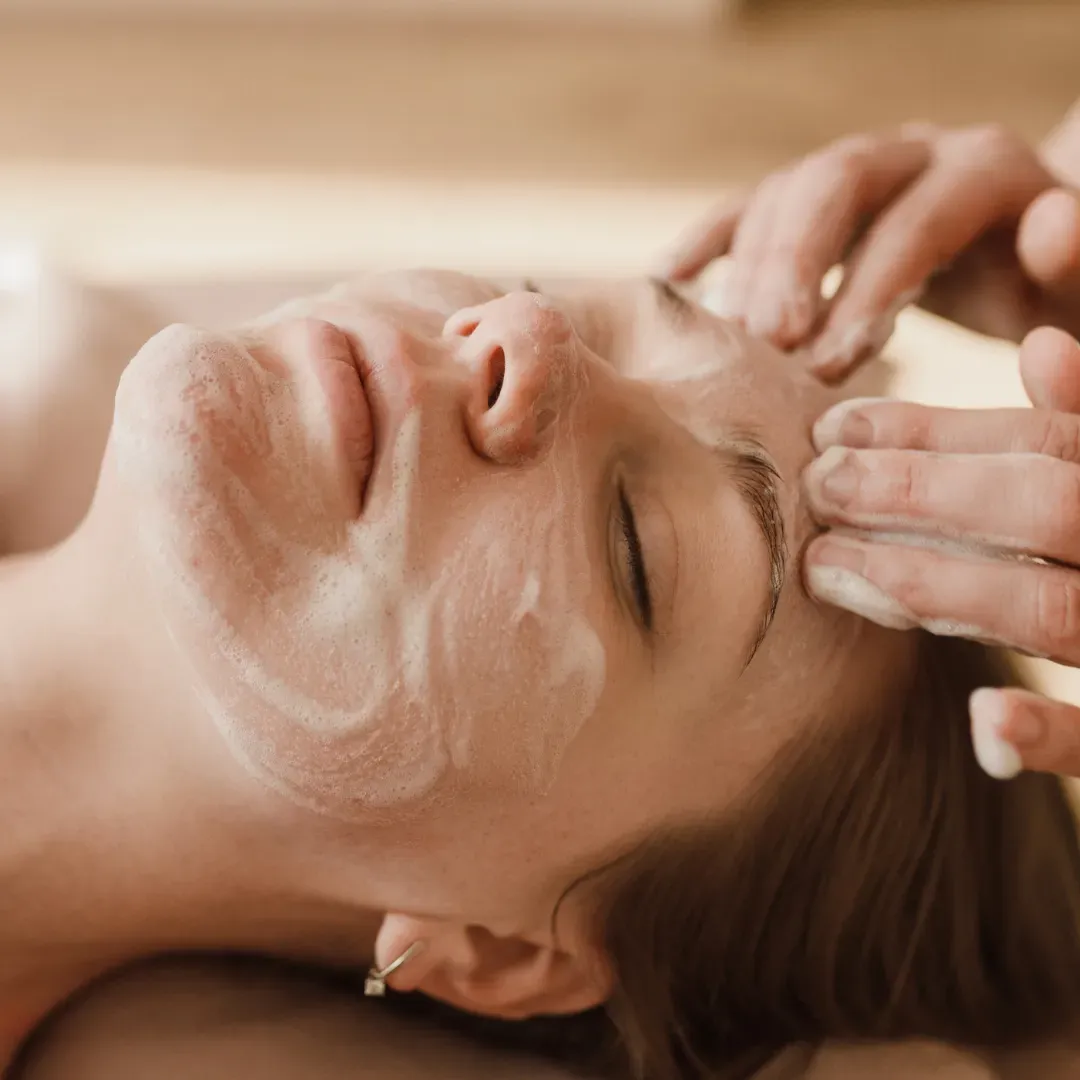
Medi-Facials
A medi-facial is a clinic facial that goes beyond a standard salon routine. It usually combines deep cleansing, exfoliation, extraction, tar…
Tan Removal Treatment
A tan is your skin making extra melanin after sun exposure. Mild tanning often fades by itself over weeks as skin renews, and daily sun prot…
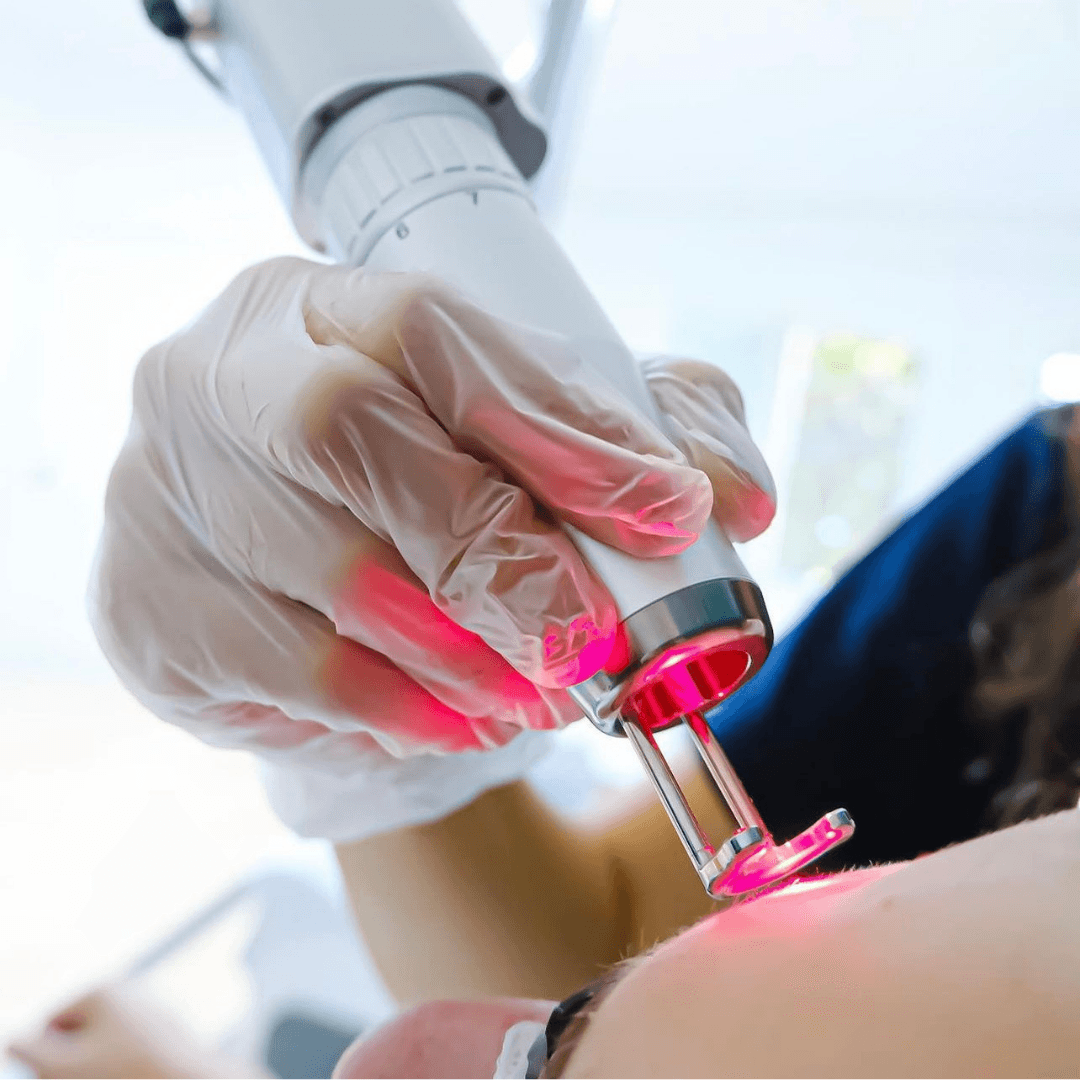
Q-Switch Nd:YAG Laser Treatment
A Q-switched Nd:YAG laser delivers energy in very short pulses that break pigment, such as tattoo ink or some brown marks, into smaller part…
FAQs on Pigmentation & Melasma Treatment in Pune
Areas We Serve
We welcome pigmentation and melasma patients from across South Pune, including NIBM, Mohammed Wadi, Kondhwa, Wanowrie, Undri, Magarpatta, Hadapsar, Camp, Kalyani Nagar, Viman Nagar, Koregaon Park, Baner, Aundh, Wakad, Kharadi and Kothrud.
Book Your Pigmentation Consultation in Pune
If you're looking for a pigmentation or melasma clinic in South Pune, The Skin Firm is at Mohammed Wadi, NIBM. A consultation covers a skin assessment, the options suited to your skin, and a written fee for the plan.
We see patients from Kondhwa, NIBM, Wanowrie, Undri and nearby areas. Call +91 8308669966 or use the button below to request a time.