
What Are Acne Scars & Marks?
Acne can leave two different problems behind. Acne scars are changes in the skin's structure: sunken (depressed) scars are the most common, and some scars are raised. Acne marks, called post-inflammatory hyperpigmentation (PIH), are flat dark or reddish-brown spots left after a pimple heals.
The American Academy of Dermatology says a flat spot of colour after acne clears is usually not a scar, and that colour usually fades over time, while a true scar stays. It adds that scars can fade but rarely go away completely on their own.
Scars form during healing: deep inflammation can leave too little collagen, which causes a pit, or too much, which causes a raised area. That is why the first step is to work out which one you have.
Difference Between Acne Scars and Acne Marks
Acne marks are flat. The skin's structure is intact, and the pigment-producing cells have reacted to inflammation. On Indian skin, these marks can last many months. They often fade with time, sun protection and the right treatment.
Acne scars are structural. The tissue itself has changed, so they need a different approach, such as microneedling, laser, subcision or filler. Using a mark treatment for a scar, or the reverse, is a common reason people feel stuck. We tell you which one you have before suggesting a plan.
Types of Acne Scars & Marks
Ice-Pick Scars
Narrow, deep, puncture-like scars. They are usually the hardest to treat because of their depth.
Boxcar Scars
Broader depressions with sharp edges. They are often more responsive to resurfacing than ice-pick scars.
Rolling Scars
Wave-like depressions caused by fibrous bands that tether the skin downward. They can look different in different lighting.
Raised (Hypertrophic and Keloid) Scars
Thickened scars from excess collagen, more common on the chest and back. They need a different plan from sunken scars.
Post-Inflammatory Hyperpigmentation (PIH)
Flat pink, red-brown or dark marks left after a pimple heals. They are not scars and usually fade over time.
Who Assesses and Plans Your Acne Scar Treatment
Your plan starts with an assessment of the scar types you have, how deep they are, your skin tone, how active your acne still is, and what you have already tried. Dr. Karishma Singh, Founder and Skin & Aesthetic Specialist (BHMS, FCHD), leads treatment planning. Dr. Monica C., Consultant Dermatologist (MD Dermatology, Venereology & Leprosy; NMC-registered), is available for medical concerns, active acne and prescriptions.
The AAD says a board-certified dermatologist can help diminish acne scars. We tell you at the consultation what we can offer, what needs a doctor's opinion, and what is realistic. If your acne is still active, we advise treating it first, because new breakouts can create new scars. See our acne treatment page.
How Our Acne Scar Treatment Works
Consultation & Scar Assessment
We examine your scars in different light, identify the type and depth, and ask about your acne history, skin tone and medicines.
Personalised Treatment Plan
Your plan may use microneedling, chemical peels, laser, PRP, subcision or a combination, depending on whether you have scars, marks or both. You get the likely number of sessions, the risks and a written fee.
Treatment Sessions
Procedures are done in the clinic, with numbing cream where needed. We explain how many sessions to expect and how far apart.
Aftercare & Review
You get written aftercare advice. Scars improve slowly, so we review your skin over months and change the plan if it isn't helping.
Types of Acne Scar Treatments We Offer in Pune
Fractional Laser Resurfacing
Targets damaged skin to stimulate new collagen and gradually soften the look of scars and texture. Your doctor decides if it suits your skin tone.
Microneedling and Microneedling RF
Tiny needles, with or without radiofrequency energy, stimulate collagen in the skin. See our microneedling page.
Chemical Peels for Acne Marks
Peels exfoliate the top layers of the skin and can help marks and uneven tone. They do not lift deep scars. See our chemical peel page.
PRP with Microneedling
Platelet-rich plasma from your own blood is applied after microneedling to support healing. Evidence is still developing. See our PRP facial page.
Subcision
A needle is used to release the fibrous bands under rolling scars so the skin can lift. It is often combined with other treatments.
Combination Plans
Deeper or mixed scars often need more than one treatment, planned in sequence for your scar types.
What Our Acne Scar Assessment and Plan Cover
Identifies scars versus marks. So each gets the right treatment.
Matches treatment to scar type. Not one package for everyone.
Checks for active acne. Because new breakouts can cause new scars.
Plans for Indian skin. Settings and spacing are chosen to lower the risk of dark marks after treatment.
Gives a realistic outlook. Scars improve gradually, and complete removal is not promised.
Reviews and adjusts. Progress is checked over months and the plan changes if needed.
Downtime After Acne Scar Treatments

Downtime depends on the procedure, from little with peels or microneedling to several days with laser.
Redness or swelling usually settles within one to three days, and longer after laser.
Peeling or flaking is common after peels or laser.
Ask us when you can wear makeup. It is usually after one to two days, depending on the treatment.
Improvement is gradual and builds over several sessions and months.
Post-Care After Acne Scar Treatments
Don't touch, pick or pop your skin.
Use a gentle cleanser and a moisturiser.
Apply sunscreen daily, because sun can darken marks.
Skip retinoids and strong active ingredients for the days we advise.
Follow the aftercare sheet, and keep your review visits.
Call the clinic on +91 8308669966 if you have severe pain, pus, spreading redness or blisters.
What Results Can You Expect from Acne Scar Treatment?
Scars and marks improve gradually, not overnight. Marks tend to improve sooner than scars. Deeper scars take longer because new collagen forms slowly, and treatment usually needs more than one session.
Treatment can soften scars and improve texture, but it may not remove them completely. The AAD notes that scars rarely go away completely on their own. How much you improve depends on scar type and depth, your skin, and how closely you follow aftercare. We explain what is realistic for you before you begin.
Acne Scar Treatment Cost in Pune
The cost of acne scar treatment in Pune depends on your scar types and depth, the treatments advised, the number of sessions, and whether you need acne treatment alongside.
We don't work from a fixed price list. After your assessment you receive the recommended plan, the likely number of sessions, and a written fee, so you can decide at your own pace.
Safety, Side Effects and Choosing Who Treats You
Scar procedures can cause redness, swelling, flaking, bruising and discomfort. Less often they cause infection, and darker skin carries a higher risk of dark marks after treatment. Raised scars may worsen with some procedures, and some medicines such as isotretinoin may mean waiting.
Tell us about your acne history, medicines, pregnancy or breastfeeding, tendency to keloids or cold sores, and recent sun exposure. The AAD advises starting by seeing a dermatologist for scars; we tell you when a doctor's opinion is needed before treatment.
Why The Skin Firm is Pune's Trusted Clinic
Dermatologist-Led Expertise
Dr. Karishma Singh, Skin Specialist
Personalised Treatment Plans
no one-size-fits-all
Advanced Technology
medical-grade, safe & effective
Proven Track Record
thousands of happy patients
Safety First
evidence-based, dermatologist-approved care
Who Can Consider Acne Scar & Marks Treatment?
People with sunken or rolling scars who want to understand their options.
People with dark or red marks left after pimples.
People whose acne is mostly under control. Active acne is treated first.
People with different skin tones. Suitability and settings depend on your assessment.
People with raised scars. These need a separate plan after an assessment.
Treatment may need to wait or change if you have active acne or infection, are pregnant or breastfeeding, take isotretinoin, or scar into keloids. Tell us at your consultation.
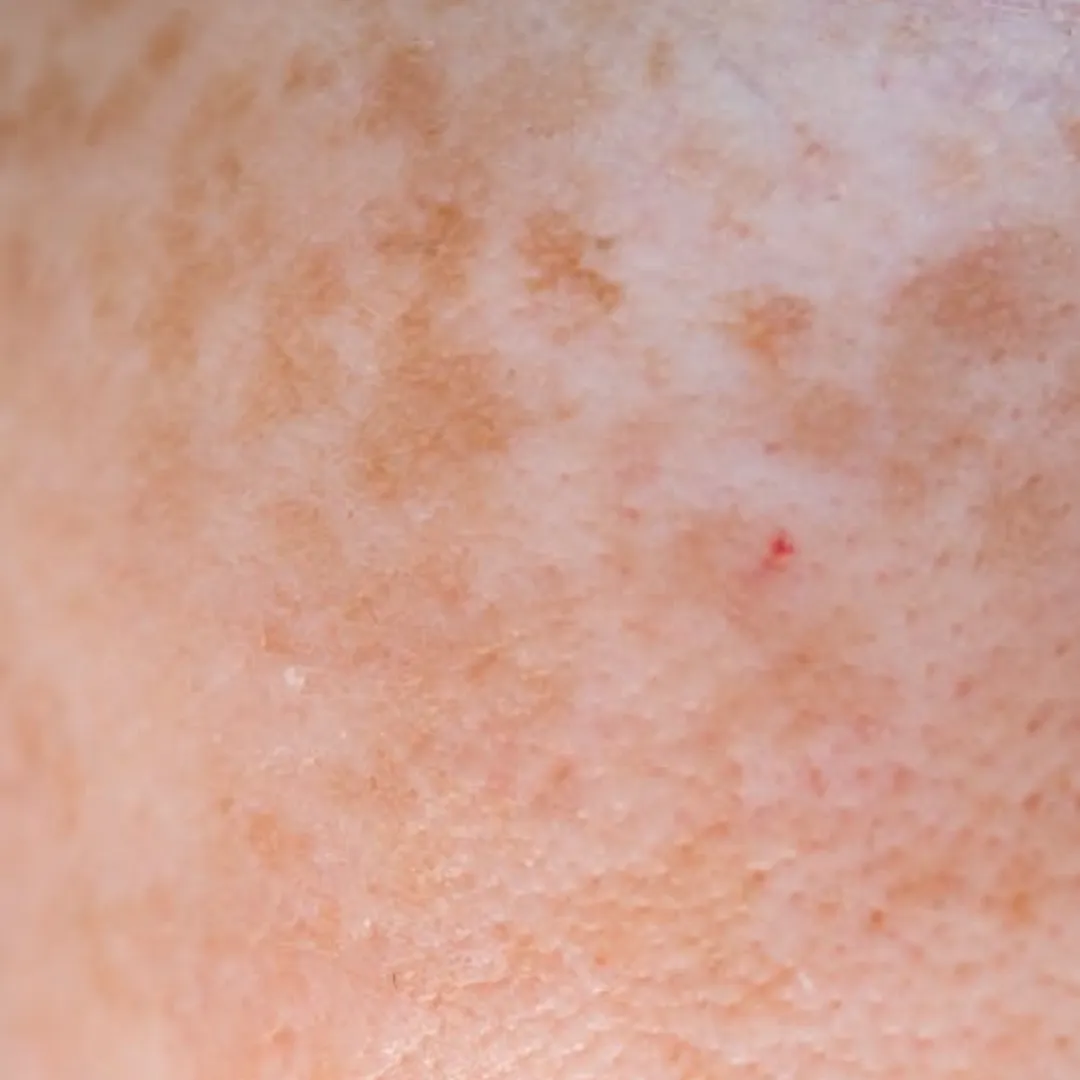
Skin Pigmentation & Melasma Treatment
Pigmentation treatment in Pune at The Skin Firm starts with a diagnosis, because dark patches aren't all the same condition. After a skin as…
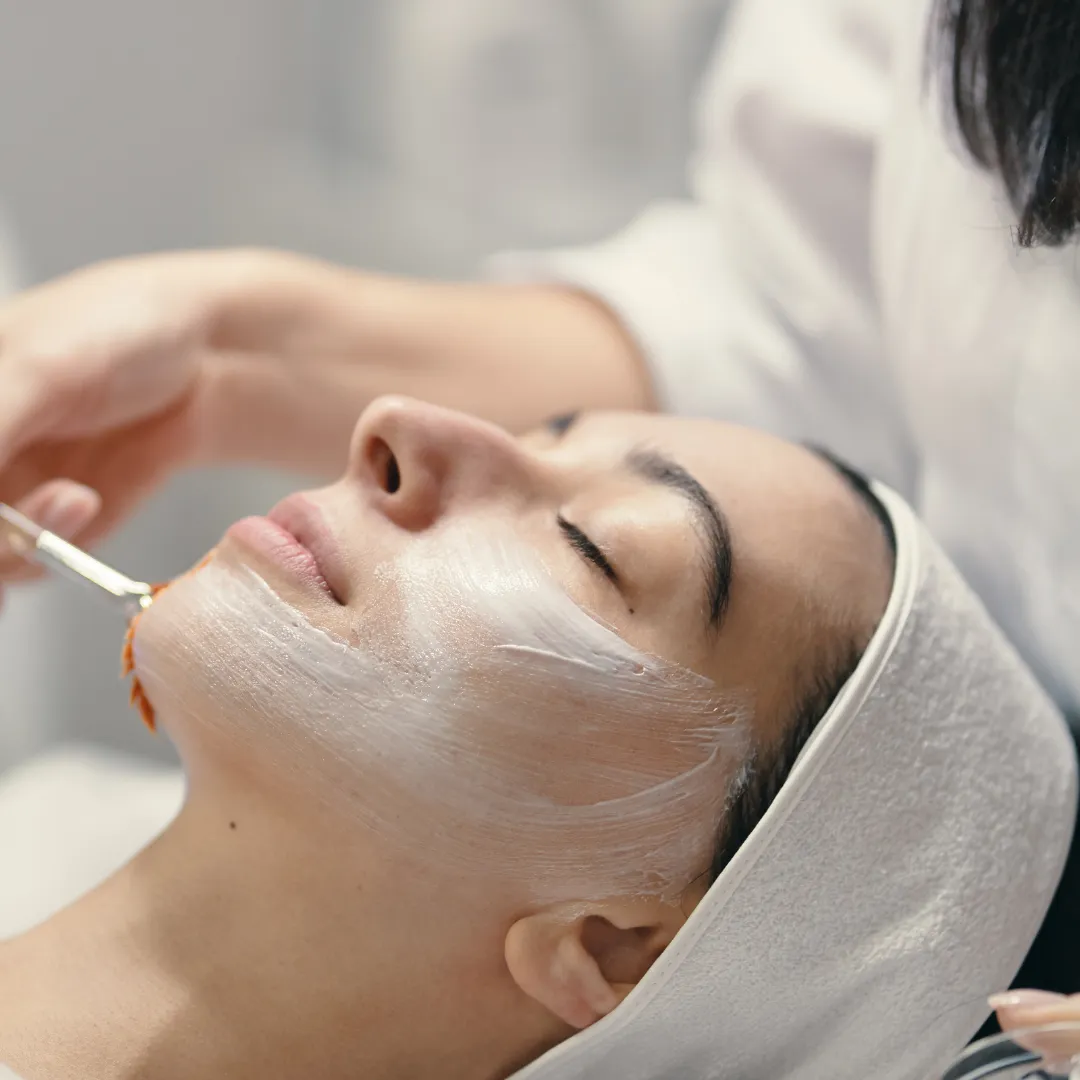
Chemical Peel
A chemical peel is a treatment that applies an acid solution to the skin to loosen and shed its top layers. As the old layer comes away, a n…
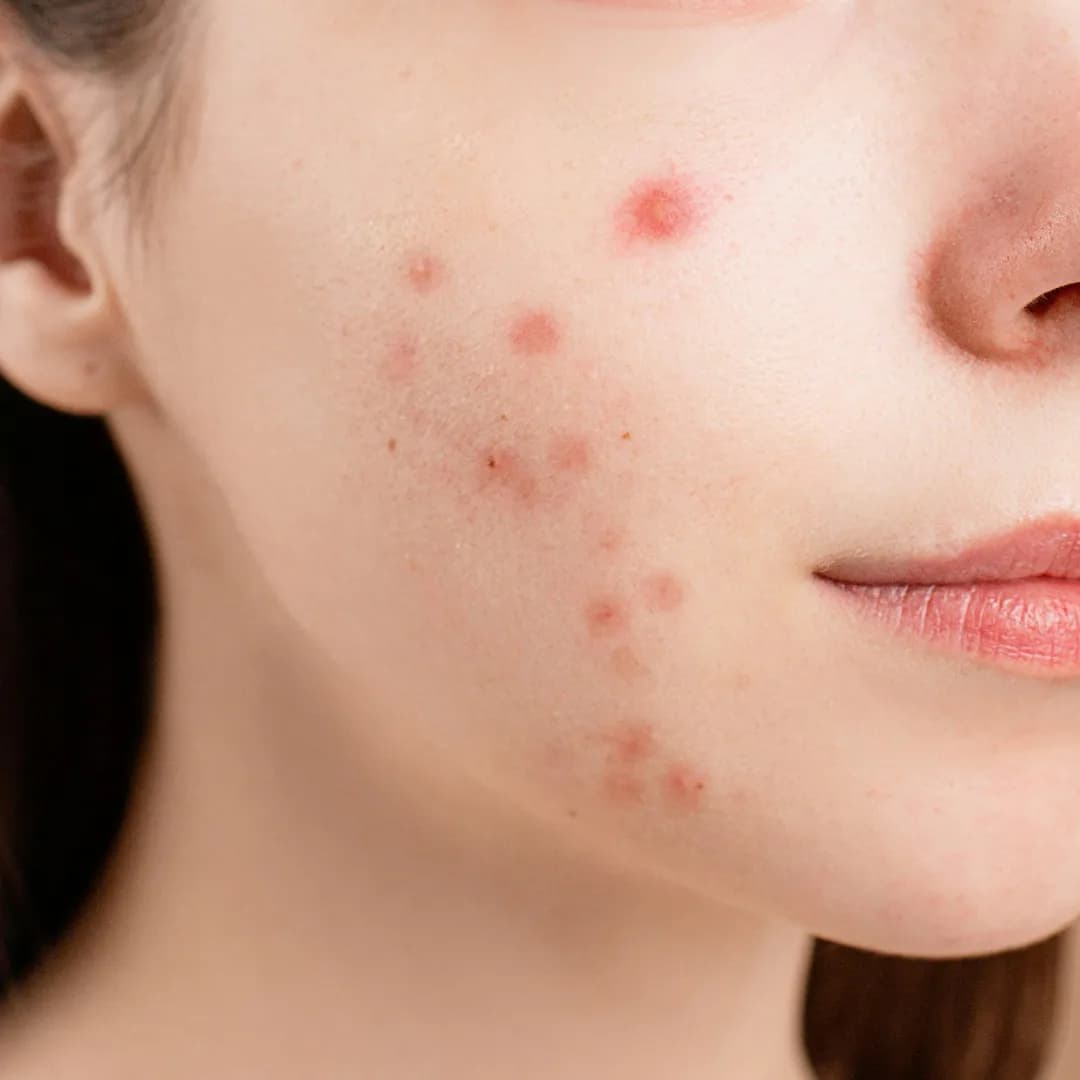
Acne Treatment
If creams and cleansers haven't worked, the product may not be the problem. Acne has different drivers: clogged pores, excess oil, bacteria,…
FAQs on Acne Scars & Marks Treatment in Pune
Acne Scar Treatment Near You: Areas We Serve
Our clinic is on NIBM Post Office Road in Mohammed Wadi, and patients come to us from across South Pune. Choose your area for travel time and local details:
Acne Scar Treatment in Amanora · Acne Scar Treatment in Magarpatta · Acne Scar Treatment in Hadapsar · Acne Scar Treatment in BT Kawade Road · Acne Scar Treatment in Sopan Baug · Acne Scar Treatment in Salisbury Park · Acne Scar Treatment in Bibwewadi · Acne Scar Treatment in Gangadham · Acne Scar Treatment in Pisoli · Acne Scar Treatment in Mohammed Wadi · Acne Scar Treatment in Kondhwa · Acne Scar Treatment in Wanowrie · Acne Scar Treatment in Undri · Acne Scar Treatment in Lullanagar · Acne Scar Treatment in Camp Pune · Acne Scar Treatment in NIBM Road · Acne Scar Treatment in Salunkhe Vihar · Acne Scar Treatment in Katraj
Areas We Serve
We welcome acne scar patients from across South Pune, including NIBM, Mohammed Wadi, Kondhwa, Wanowrie, Undri, Magarpatta, Hadapsar and Camp, and from nearby areas of Pune.
Book Your Acne Scar Consultation in Pune
If you're looking for an acne scar clinic in South Pune, The Skin Firm is at Mohammed Wadi, NIBM. A consultation covers an assessment of your scars and marks, the options that suit them, whether acne needs treatment first, and a written fee.
We see patients from Kondhwa, NIBM, Wanowrie, Undri and nearby areas. Call +91 8308669966 or use the button below to request a time.