
What Is a PRP (Vampire) Facial?
A PRP facial, often called a "vampire facial," uses platelet-rich plasma made from your own blood. A small sample is drawn and spun in a centrifuge to concentrate platelets, and the PRP is then injected into the skin or applied during microneedling.
What the evidence shows. The American Academy of Dermatology says support for PRP in skin rejuvenation is weak: there are few studies, the ideal number and spacing of treatments is unclear, and results are unpredictable. Some people see less sagging and fewer wrinkles, but not everyone does. We tell you this before you decide.
At The Skin Firm we assess your skin first and tell you whether another treatment, such as a peel or microneedling, has stronger evidence for your concern. Our GFC therapy page describes the related growth-factor preparation.
Concerns Where a PRP Facial May Be Considered
Fine lines and early loss of firmness
Dull, tired-looking skin
Acne scars and uneven texture
Sun-damaged skin
Thin, crepey under-eye skin
Skin that needs support after microneedling
Who Assesses and Plans Your Treatment
Dr. Karishma Singh, Founder and Skin & Aesthetic Specialist (BHMS, FCHD), leads treatment planning and procedures. Dr. Monica C., Consultant Dermatologist (MD Dermatology, Venereology & Leprosy; NMC-registered), assesses medical causes and prescribes medicines where they are needed.
Because PRP involves drawing blood, we ask about your medical history, blood-related conditions and medicines before we advise it. We tell you at the consultation who would perform your treatment.
How Our PRP Facial Works
Consultation & Skin Assessment
We assess your skin, medical history, blood-related conditions and medicines, and tell you whether PRP is suitable.
Blood Draw & Preparation
A small blood sample is taken and processed in the clinic using sterile technique to prepare the PRP.
Application
The PRP is injected or applied with microneedling to the treated area. A numbing cream may be used.
Aftercare & Review
You get written aftercare. We review at set intervals and tell you if the plan is not helping.
PRP Facial Options in Pune
PRP Facial (Vampire Facial)
PRP applied across the face with fine needles or a device.
PRP with Microneedling
PRP applied during microneedling for texture and scars. See our microneedling page.
PRP for Under-Eyes
Used selectively for thin skin. Results vary, and some dark circles do not respond. See our dark circle treatment page.
PRP for Skin Quality and Fine Lines
Used for early ageing changes. See our wrinkle treatment page.
PRP for Acne Scars
Sometimes combined with microneedling. See our acne scar treatment page.
Combination Plans
Combined with other treatments after assessment.
What Results Can You Expect?
The AAD says PRP typically needs three or more sessions, with results appearing over weeks to months, and describes it as an unproven treatment with unpredictable results. It cannot restore the appearance you had years earlier.
Results vary from person to person and cannot be promised. We explain what is realistic for your skin before you decide.
PRP Facial Cost in Pune
The cost depends on the area treated, whether microneedling or another treatment is added, the number of sessions and review visits.
We don't work from a fixed price list. After your consultation you receive the recommended plan and a written fee, so you can decide at your own pace.
What Our PRP Facial Plan Covers
Uses your own blood. The preparation comes from your own sample.
Explains the evidence honestly. Including that support is weak.
Checks suitability first. Blood-related conditions matter.
Uses sterile handling. Your blood is processed for you alone.
Is planned for your concern. Area, spacing and combinations depend on assessment.
Reviews and adjusts. The plan changes if it is not helping.
Downtime After a PRP Facial

The AAD notes common effects are mild pain, bruising and swelling that usually fade within days.
Redness can last a day or two.
Most people return to routine activities soon, though bruising may show.
Post-Care After a PRP Facial
Avoid touching or scrubbing the area for the time we advise.
Skip makeup, strong actives and heavy workouts for the days we advise.
Apply sunscreen daily and avoid direct sun.
Avoid anti-inflammatory painkillers unless your doctor says so, as they may affect the treatment.
Use only the gentle products we advise.
Keep your review visits so we can check progress.
Safety, Side Effects and Choosing Who Treats You
PRP appears generally safe, but it can cause pain, bruising, swelling and, rarely, infection. The main concern the AAD raises is handling the blood: it must be kept sterile, and procedures must make sure you receive only your own blood. The AAD recommends a board-certified dermatologist, who can also suggest treatments with stronger evidence.
PRP is not recommended for people with certain blood-borne infections, blood cancers, heart disease needing blood thinners, or skin cancer in the treatment area. Tell us about your health, pregnancy or breastfeeding, and every product and medicine you use.
Why The Skin Firm is Pune's Trusted Clinic
Dermatologist-Led Expertise
Dr. Karishma Singh, Skin Specialist
Personalised Treatment Plans
no one-size-fits-all
Advanced Technology
medical-grade, safe & effective
Proven Track Record
thousands of happy patients
Safety First
evidence-based, dermatologist-approved care
Who Can Consider a PRP Facial?
People with fine lines or early loss of firmness who understand the evidence is limited.
People with dull or sun-damaged skin.
People with acne scars, alongside microneedling.
People who want to use their own blood rather than a synthetic injectable.
People who prefer a series of gradual sessions.
Treatment may need to wait or change if you have a blood or bleeding disorder, take blood thinners, are pregnant or breastfeeding, or have an infection in the area. Tell us at your consultation.
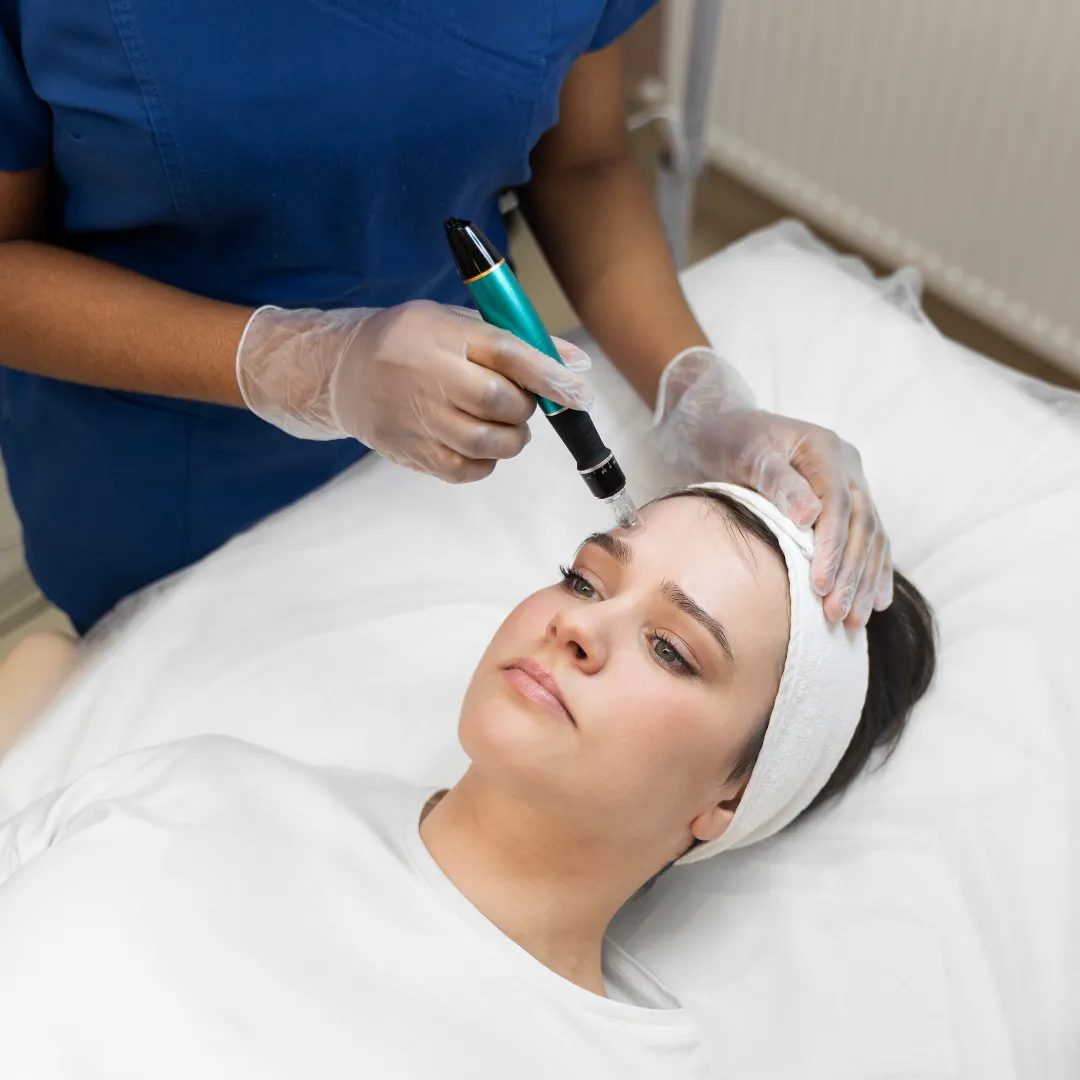
GFC Therapy
GFC (growth factor concentrate) therapy is a treatment in which a small sample of your own blood is processed to concentrate platelet-derive…
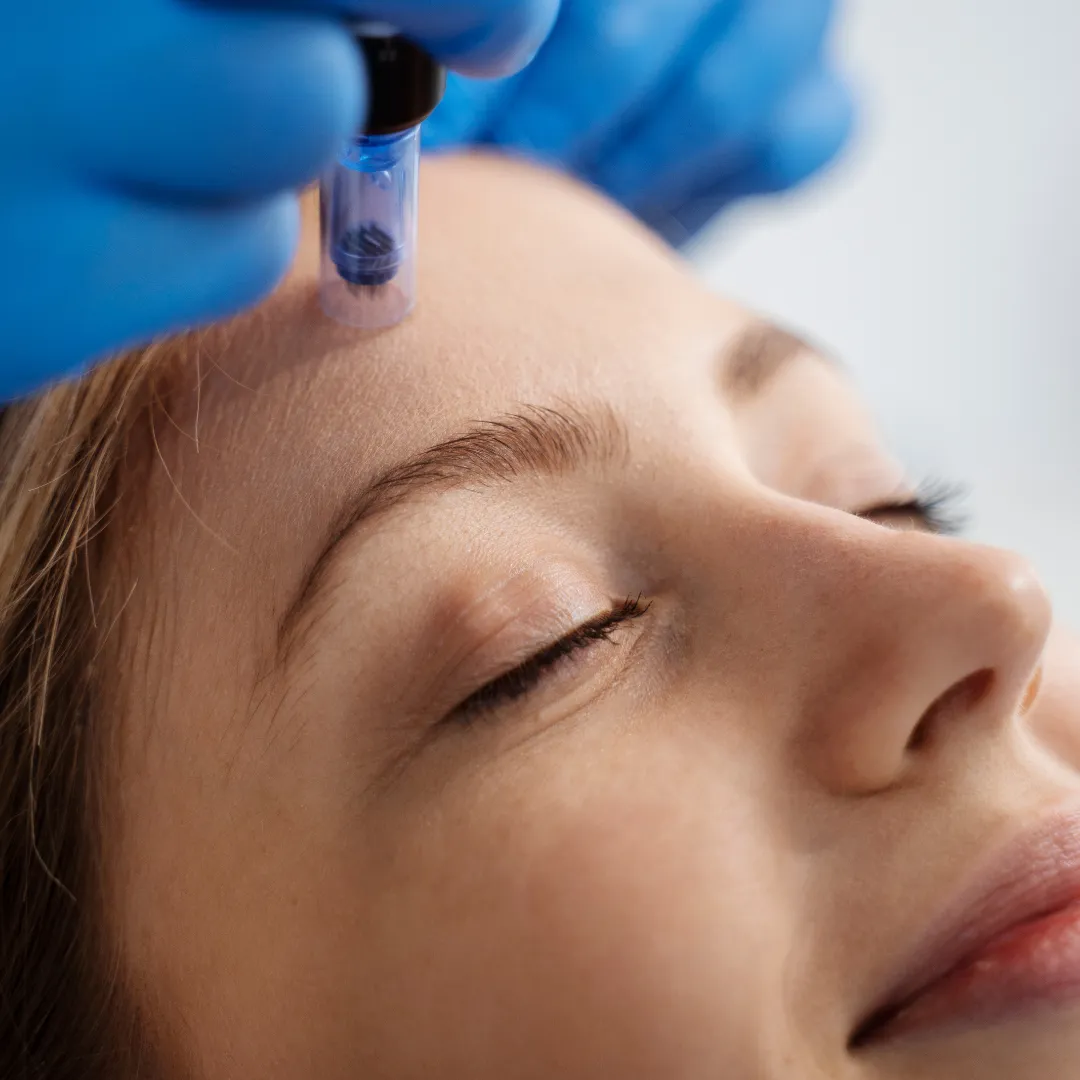
Microneedling
Microneedling uses very fine needles to make tiny controlled punctures in the skin. This prompts the skin to repair itself and make collagen…
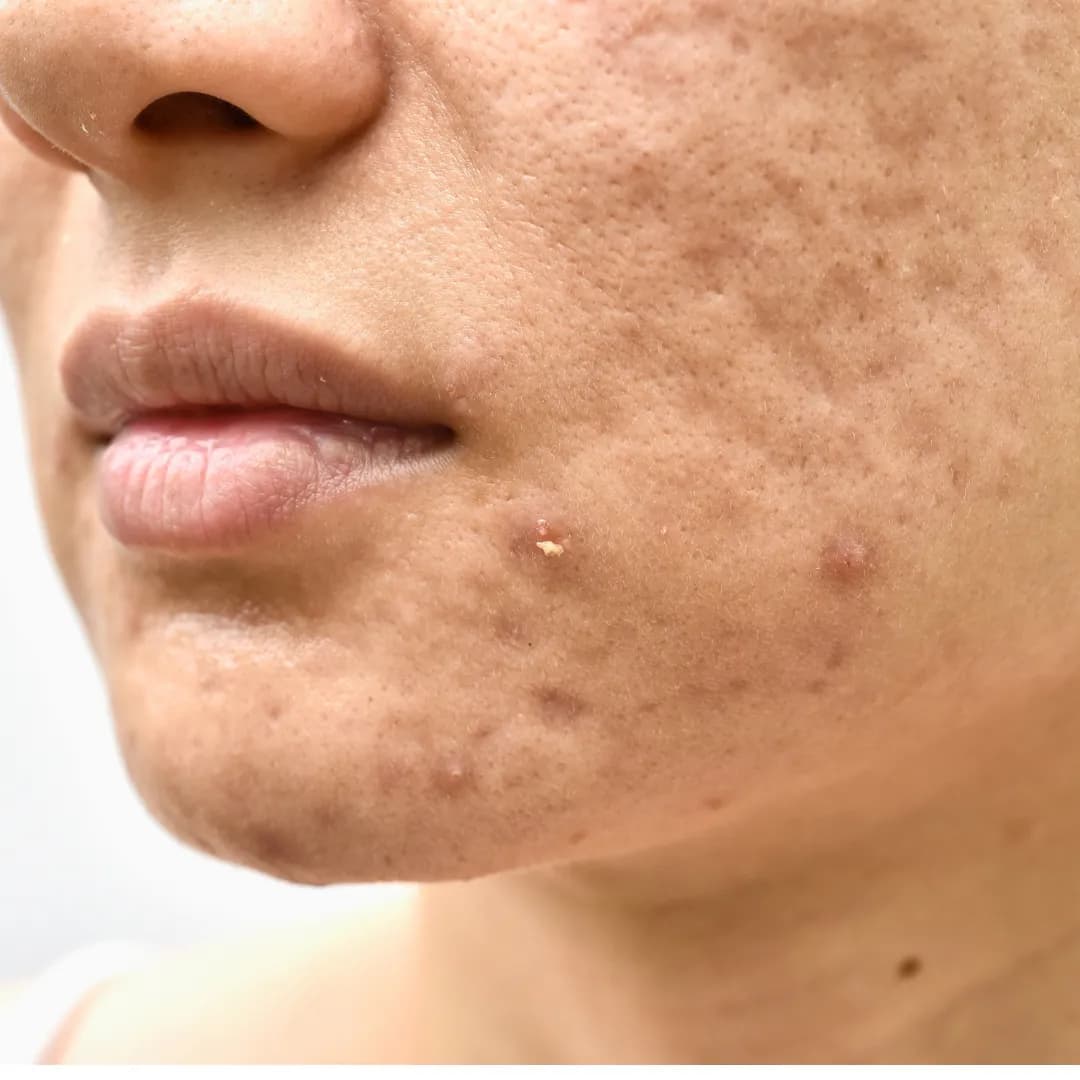
Acne Scars & Marks Treatment
Acne can leave two different problems behind. Acne scars are changes in the skin's structure: sunken (depressed) scars are the most common,…
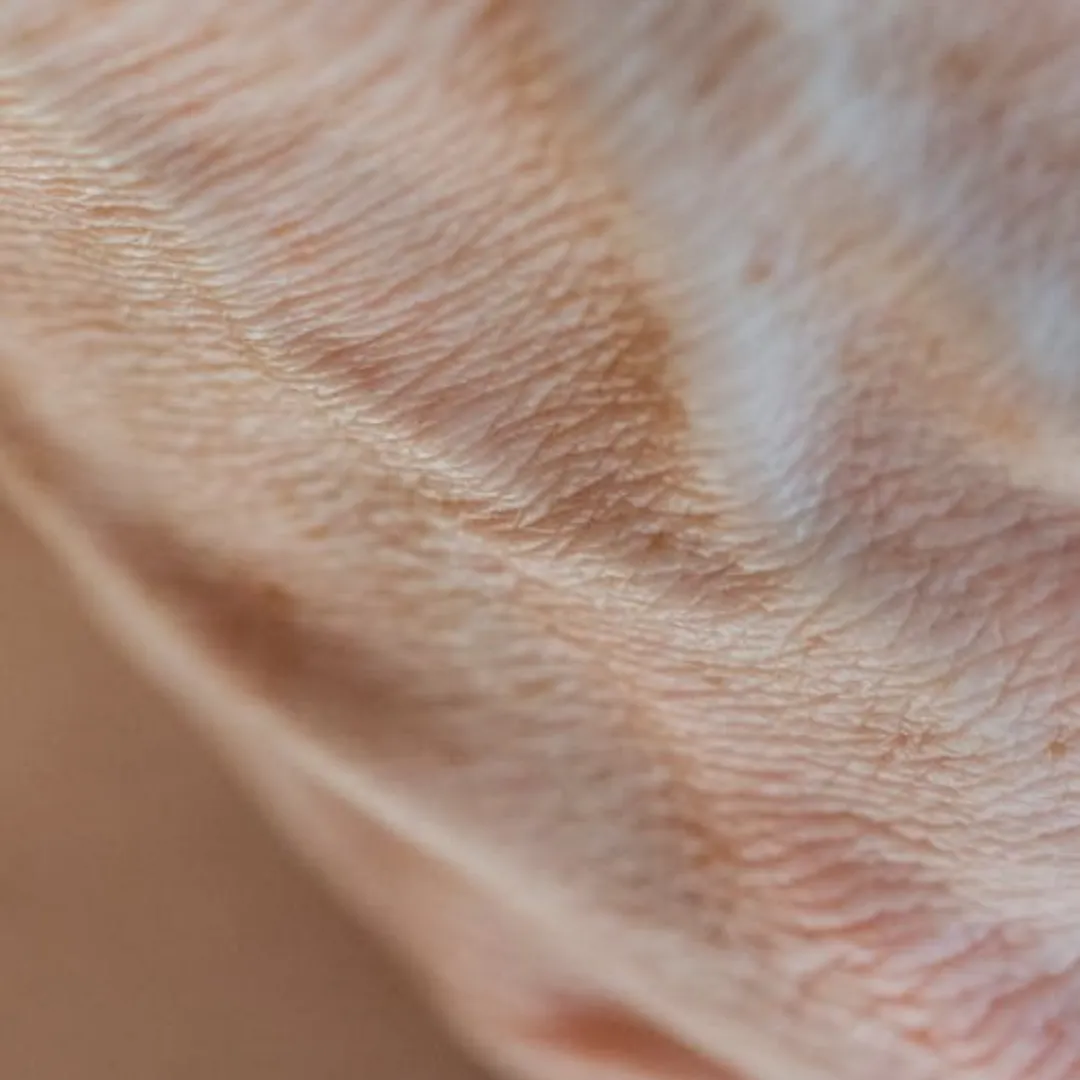
Wrinkle Treatment
Wrinkles form for different reasons, and the reason decides the treatment. The American Academy of Dermatology names sun damage as the main…
FAQs on PRP Facial in Pune
Areas We Serve
We welcome PRP facial patients from across South Pune, including NIBM, Mohammed Wadi, Kondhwa, Wanowrie, Undri, Magarpatta, Hadapsar and Camp, and from nearby areas of Pune.
Book Your PRP Facial Consultation in Pune
If you are considering a PRP facial in South Pune, The Skin Firm is at Mohammed Wadi, NIBM. A consultation covers an assessment of your skin, an honest view of the evidence, who would perform it, and a written fee.
We see patients from Kondhwa, NIBM, Wanowrie, Undri and nearby areas. Call +91 8308669966 or use the button below to request a time.