 Add as a preferred source on Google

Every summer and post-holiday season, the search for 'how to remove tan' spikes across India. Walk into any pharmacy or beauty store and you will find shelves of de-tan creams, scrubs, face packs, and serums — all promising to restore your natural skin tone in days. But which actually works, and when do you genuinely need a professional skin care treatment at a qualified aesthetic clinic?
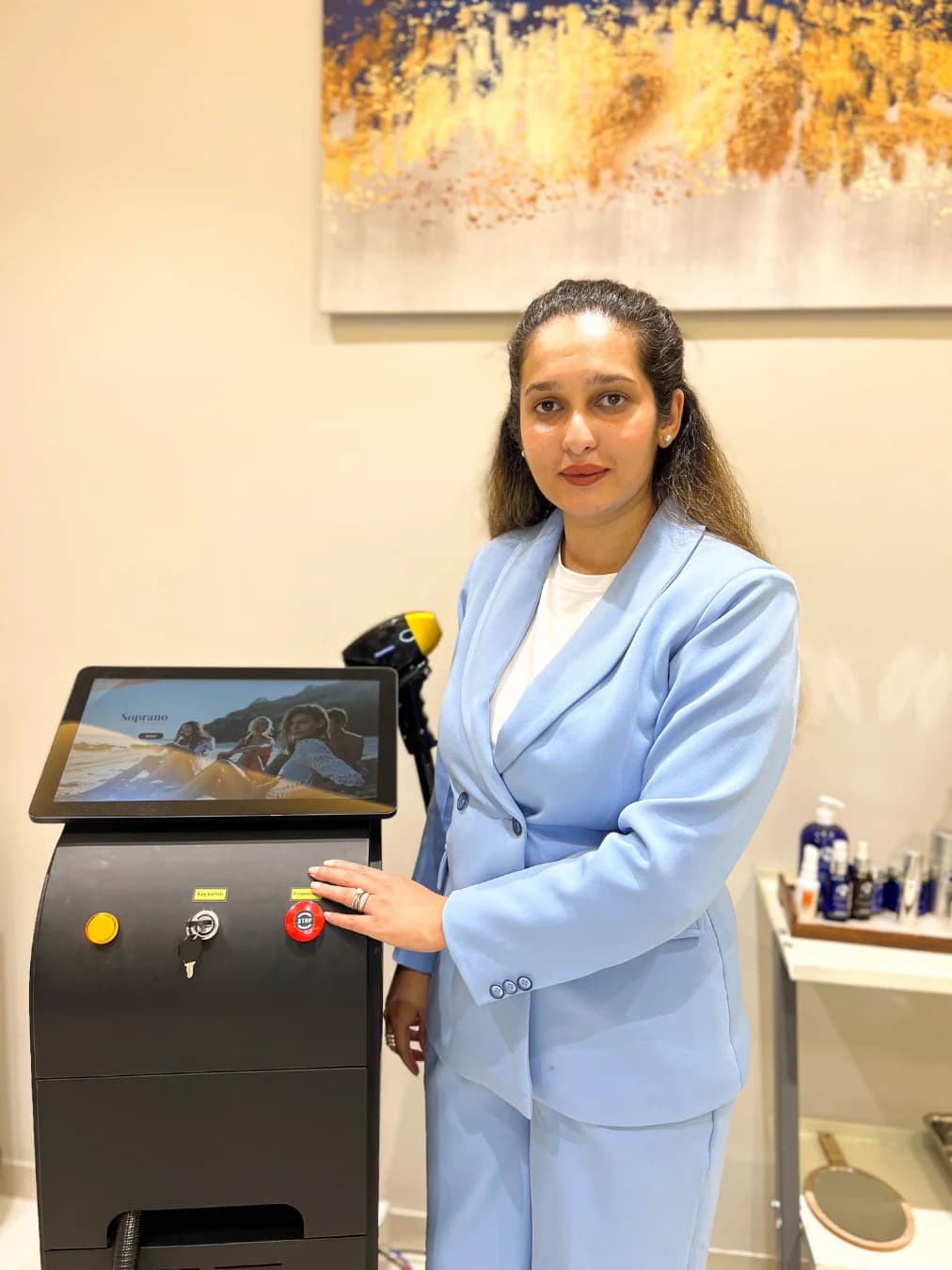
At The Skin Firm — a skin, hair and laser clinic at NIBM Mohammed Wadi — Dr. Karishma Singh, Skin & Aesthetic Specialist and Founder, sees many tan-related skin concerns each summer. This honest comparison guide tells you exactly what home remedies can and cannot achieve — and when professional skin care treatments are necessary for your skin.
Understanding Tan vs Long-Term Sun Damage: A Critical Distinction
Before comparing home and clinic treatments, it is essential to understand that not all 'tanning' is the same:
A tan is the skin's natural response to UV exposure — melanocytes produce extra melanin as a protective response. A fresh tan (developed within the last 2-4 weeks) can fade naturally as skin cells turn over, and responds well to active home care.
Chronic sun damage is different. Repeated UV exposure over months or years causes structural changes in the skin — persistent dark patches, uneven pigmentation, sun spots (solar lentigines), and melasma — that do not fade on their own and do not respond adequately to home remedies. These require professional skin care treatments from qualified doctors at a skin care clinic.
Indian skin (Fitzpatrick Types III-V) is particularly prone to stubborn tanning and post-tan pigmentation because of its higher melanin reactivity — meaning the skin produces melanin faster and more intensely in response to UV than lighter skin types.
Home Tan Removal: What Works and What Is Hype
Here is an honest, evidence-based assessment of popular home tan removal methods for Indian skin:
- Lemon Juice — Overhyped: Lemon juice contains vitamin C and citric acid, which have mild brightening properties. However, it can cause photosensitivity and burns when used on skin before sun exposure — making it counterproductive and potentially harmful. Not recommended by our doctors.
- Aloe Vera Gel — Soothing but Limited: Used for soothing sun-damaged, irritated skin and providing hydration. Does not significantly reduce tan pigmentation but supports skin recovery. Suitable for most people, but patch test first.
- Papaya Mask — Mildly Effective: Papaya contains papain enzyme, which has mild exfoliating properties. Can slightly brighten a fresh, superficial tan over several weeks of consistent use. Not effective for established pigmentation.
- Turmeric + Yogurt Mask — Traditional, Minimal Effect: Turmeric contains curcumin with mild anti-inflammatory and brightening properties. Consistent use over 8-12 weeks may provide mild brightening of very superficial tan. Not effective for chronic sun damage or melasma.
- OTC AHA / BHA Serums and Toners — Moderately Effective for Fresh Tan: Products containing 5-10% glycolic acid (AHA) or 0.5-2% salicylic acid (BHA) accelerate cell turnover and can help a fresh tan fade over several weeks. These are among the options used for tan reduction.
- Vitamin C Serums — Effective Prevention + Mild Treatment: A stable vitamin C serum applied daily under SPF 50 may help limit further melanin formation and gradually improve existing pigmentation. A commonly used home product.
- SPF 50+ Sunscreen — Non-Negotiable Foundation: No home tan removal method works if you continue to accumulate UV damage. SPF 50+ broad-spectrum sunscreen, applied every morning and reapplied every 2-3 hours outdoors, is the foundation of any effective tan management plan.
When Home Remedies Are Not Enough: Signs You Need a Skin Care Clinic
Home remedies and OTC products are suitable for managing a fresh, superficial tan. However, you should visit a qualified skin care clinic and doctor if you notice:
• Dark patches or uneven pigmentation that has persisted for more than 3-4 months despite home care
• Brown or greyish-brown patches on the upper lip, forehead, or cheeks — possible melasma
• Multiple flat, brown spots appearing on sun-exposed areas — sun spots / solar lentigines
• Skin that appears significantly darker than your natural tone despite avoiding sun exposure
• Post-tanning PIH (dark marks) that are not fading after 3+ months
These concerns require professional diagnosis and targeted skin care treatments — not home remedies.
Professional Tan Removal Treatments at The Skin Firm
1. Chemical Peels — Most Accessible First-Line Treatment
Superficial to medium-depth chemical peels accelerate the shedding of pigmented skin cells and stimulate fresh, more evenly toned skin turnover. Peels used for tan removal include:
• Glycolic acid peel: Brightening, used for surface-level tan and mild sun damage
• Salicylic acid peel: Often used for oily, acne-prone skin — also addresses pore congestion alongside tan
• Mandelic acid peel: Gentler, lower PIH risk — often considered for sensitive or darker Indian skin tones
Peels are usually given as a course of sessions spaced a few weeks apart. More at: chemical peel in Pune
2. Q-Switch Nd:YAG Laser Toning
Low-fluence Q-switched laser toning targets melanin pigment across the face and is given as a course of sessions spaced a few weeks apart. Results vary, and darker skin carries a risk of pigment change, so the doctor assesses suitability first. More at: skin pigmentation melasma treatment in Pune
3. HydraFacial for Tan Removal and Skin Brightening
HydraFacial sessions combine AHA/BHA exfoliation with a serum infusion and may give mild, temporary brightening, with little downtime. They can be used for maintenance between peel or laser sessions if the doctor advises. More at: hydrafacial in Pune
4. Medically Supervised Brightening Protocol (Combination Approach)
Tan removal at The Skin Firm may combine clinic-based skin care treatments with a home brightening plan that the doctor prescribes where needed, chosen for your skin type, tan severity and lifestyle. Prescription medicines such as tranexamic acid or retinoids need a doctor's assessment. Visit tan removal treatment in Pune for full treatment details.
Pre and Post-Treatment Care for Tan Removal
- Before any professional tan removal treatment: avoid sun exposure for 2 weeks, stop retinoids/AHAs for 5-7 days
- After chemical peel or laser: apply SPF 50+ within 2 hours and reapply every 2-3 hours — non-negotiable
- Use a gentle, non-stripping cleanser for 5-7 days post-treatment — no physical scrubs
- Do NOT pick or peel shedding skin — let it shed naturally to avoid PIH risk
- Use prescribed brightening serum consistently between sessions for compounded results
- Stay well-hydrated — dehydration slows skin cell turnover and prolongs recovery
Book Your Tan Removal Consultation at The Skin Firm
Home remedies cannot treat established pigmentation. If a tan has not faded after several weeks, book a consultation at The Skin Firm, where the doctor can assess your skin and discuss peels, laser toning or a prescribed home plan.
Book Your Consultation at The Skin Firm
Ready to start your skin care journey? Visit The Skin Firm in Mohammed Wadi, South Pune, to discuss personalised skin care with our doctors.
📍 1st Floor, Society Gate 1, Plot no.1, NIBM Post Office Rd, opp. Tribeca Highstreet, Mohammed Wadi, Pune 411060
📞 +91 8308669966
🕐 Tuesday – Sunday: 10:00 AM – 8:00 PM | Monday: Closed
📅 Arrive 15 minutes early · 24-hour cancellation notice required