 Add as a preferred source on Google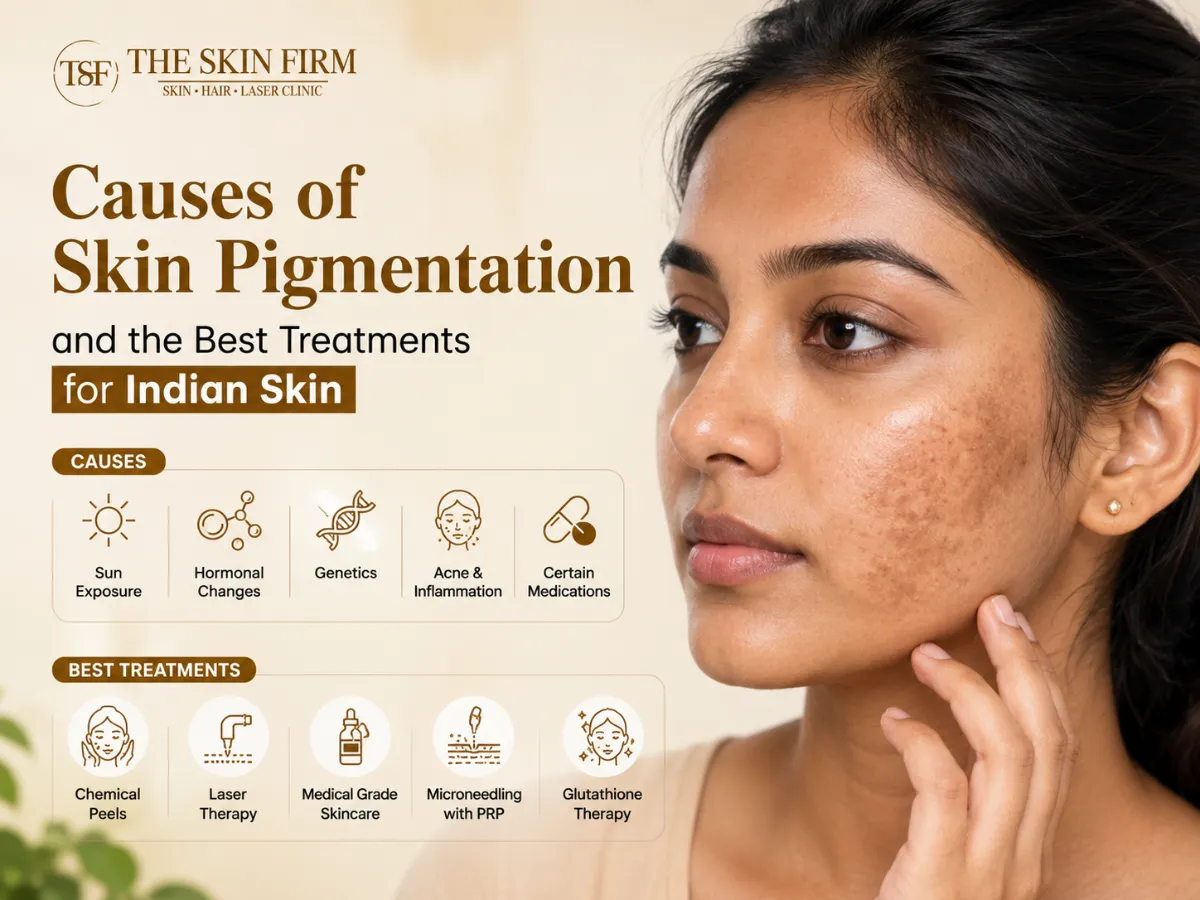
Skin pigmentation is one of the most common skin concerns among Indian patients — and one of the most misunderstood. Dark patches, uneven skin tone, and stubborn marks affect people of all ages and genders across India, yet many patients spend years using incorrect products without addressing the root cause.
At The Skin Firm — South Pune's best skin clinic and aesthetic clinic — Dr. Karishma Singh, skin specialist and aesthetic dermatologist, sees dozens of pigmentation patients every week. In this comprehensive guide, she breaks down the real causes of skin pigmentation in Indian patients and explains the most effective skin care treatments available in 2026.
What is Skin Pigmentation? Understanding Melanin
Skin colour is determined by melanin — a pigment produced by cells called melanocytes in the basal layer of the skin. Pigmentation disorders occur when melanocytes produce excess melanin (hyperpigmentation) or insufficient melanin (hypopigmentation) in certain areas, creating uneven skin tone.
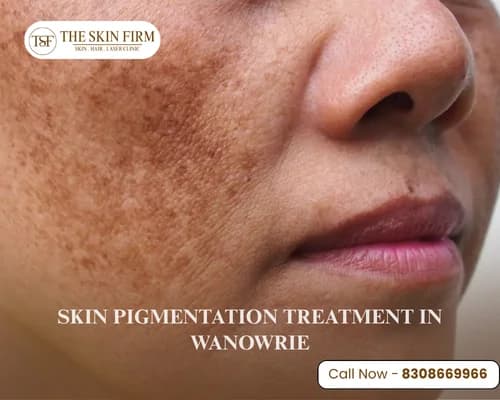
Indian skin (Fitzpatrick Types III to V) has a naturally higher baseline melanin level, which offers some protection against UV radiation but also makes it more susceptible to hyperpigmentation when triggered by inflammation, hormonal changes, or sun exposure. This is why pigmentation is significantly more prevalent in Indian patients than in lighter skin types.
Common Causes of Skin Pigmentation in Indian Patients
- Sun Damage (Solar Lentigines / Sun Spots): Chronic UV exposure is the single most common cause of pigmentation in India. UV radiation stimulates melanocytes to produce excess melanin — causing flat brown or dark spots, particularly on sun-exposed areas like the face, hands, arms, and chest. Pune's high UV index makes consistent SPF use non-negotiable.
- Melasma: A chronic, hormonally-triggered pigmentation condition characterised by symmetrical brown or greyish-brown patches on the forehead, cheeks, upper lip, chin, and nose bridge. Melasma is extremely common in Indian women, particularly during pregnancy, while on oral contraceptives, or during periods of hormonal fluctuation. It is notoriously difficult to treat and requires a combination approach.
- Post-Inflammatory Hyperpigmentation (PIH): Dark marks that develop after skin inflammation — most commonly after acne breakouts, insect bites, or skin injuries. PIH is extremely common in Indian skin because the inflammatory response triggers excess melanin production in the surrounding skin cells. Even minor trauma can cause lasting dark marks on Indian skin.
- Freckles and Lentigines: Small flat brown spots — some genetic, some acquired through sun exposure. More common in fairer Indian skin tones.
- Drug-Induced Pigmentation: Certain medications — including antimalarials, some antibiotics, hormonal medications, and chemotherapy drugs — can trigger melanocyte activity, causing diffuse pigmentation changes. Always disclose all medications to your skin expert before beginning any pigmentation treatment.
- Periorbital Hyperpigmentation (Dark Circles): Dark circles under the eyes have multiple causes in Indian patients — genetics, sleep deprivation, nutritional deficiencies, skin thinning, and post-inflammatory changes. Treatment depends on the root cause.
- Contact Dermatitis / Allergic Reactions: Skin reactions to fragrances, cosmetics, metals, or hair dye can trigger post-inflammatory pigmentation that persists long after the initial reaction has resolved.
Best Treatments for Skin Pigmentation in India 2026
1. Topical Depigmentation Therapy (First-Line Treatment)
The foundation of any pigmentation treatment plan at The Skin Firm begins with a medically supervised topical protocol. Dr. Karishma Singh prescribes evidence-based combinations of:
• Modified Kligman's formula (hydroquinone + tretinoin + corticosteroid) for moderate melasma
• Kojic acid, niacinamide, and tranexamic acid for milder pigmentation and maintenance
• Azelaic acid for post-inflammatory pigmentation and acne-associated marks
• Topical vitamin C serums for antioxidant protection and brightening
Topical therapy alone is rarely sufficient for significant pigmentation but forms an essential maintenance foundation alongside procedural skin care treatments.
2. Chemical Peels for Pigmentation
Chemical peels accelerate skin cell turnover, removing pigmented cells and encouraging fresh, evenly toned skin. At The Skin Firm, the best skin & hair treatments for pigmentation using chemical peels include:
• Salicylic acid peels (20-30%) for oily, acne-prone skin with PIH
• Glycolic acid peels for surface pigmentation and mild melasma
• Mandelic acid peels — particularly well-tolerated by Indian skin with minimal PIH risk
• Yellow peel (retinoic acid) for moderate melasma
• TCA peels for deeper, more resistant pigmentation
Multiple sessions (typically 4 to 6) are required, spaced 2 to 4 weeks apart. More details: theskinfirm.in/chemical-peel-in-pune/
3. Q-Switch Nd:YAG Laser Toning (Laser for Pigmentation)
Q-Switch Nd:YAG laser is the gold standard for treating melanin-based pigmentation in Indian skin. This specific laser wavelength selectively targets melanin pigment clusters without damaging surrounding skin, making it ideal for sun spots, freckles, and superficial pigmentation.
A series of low-fluence laser toning sessions (typically 6 to 8) gradually breaks down and lightens pigmentation across the entire face, resulting in an overall even, brighter complexion. It is safe for Indian skin when performed by trained skin experts at a qualified aesthetic clinic.
4. Tranexamic Acid Injections for Melasma
Tranexamic acid (microinjections delivered into the skin) is an emerging, highly effective treatment for deep, treatment-resistant melasma — particularly the dermal (deep) type that does not respond well to topical treatments or peels. It works by inhibiting the signalling pathway that triggers excess melanin production, addressing the problem at its biochemical root.
Available at The Skin Firm as part of our personalised pigmentation treatment plans.
5. Strict Sun Protection — Non-Negotiable
No pigmentation treatment will deliver lasting results without rigorous daily sun protection. For Indian patients in Pune — where UV intensity is high year-round — Dr. Karishma Singh recommends:
• SPF 50+ broad-spectrum sunscreen applied every morning (even indoors)
• Re-application every 2 to 3 hours when outdoors
• Physical barriers (hats, sunglasses, UPF clothing) for prolonged outdoor exposure
• Use of a tinted sunscreen to protect against visible light — an important consideration for melasma patients
More information on pigmentation treatments at: theskinfirm.in/skin-pigmentation-melasma-treatment-in-pune/
Book Your Pigmentation Consultation at The Skin Firm
Pigmentation requires an accurate diagnosis before treatment begins. The Skin Firm offers a comprehensive skin analysis and personalised pigmentation treatment plan for every patient. Our skin experts combine topical protocols, chemical peels, and laser treatments for the best possible outcomes.
Book Your Consultation at The Skin Firm
Ready to start your skin care journey? Visit The Skin Firm — South Pune's best skin clinic — for personalised skin care treatments by our expert skin specialists.
Contact The Skin Firm
- 📍 1st Floor, Society Gate 1, Plot no.1, NIBM Post Office Rd, opp. Tribeca Highstreet, Mohammed Wadi, Pune 411060
- 📞 +91 8308669966
- ✉ hello@theskinfirm.in
- 🕐 Tuesday – Sunday: 10:00 AM – 8:00 PM | Monday: Closed
- 📅 Appointment Policy: Please arrive 15 minutes early. 24-hour cancellation notice required.
- 🌐 theskinfirm.in