 Add as a preferred source on Google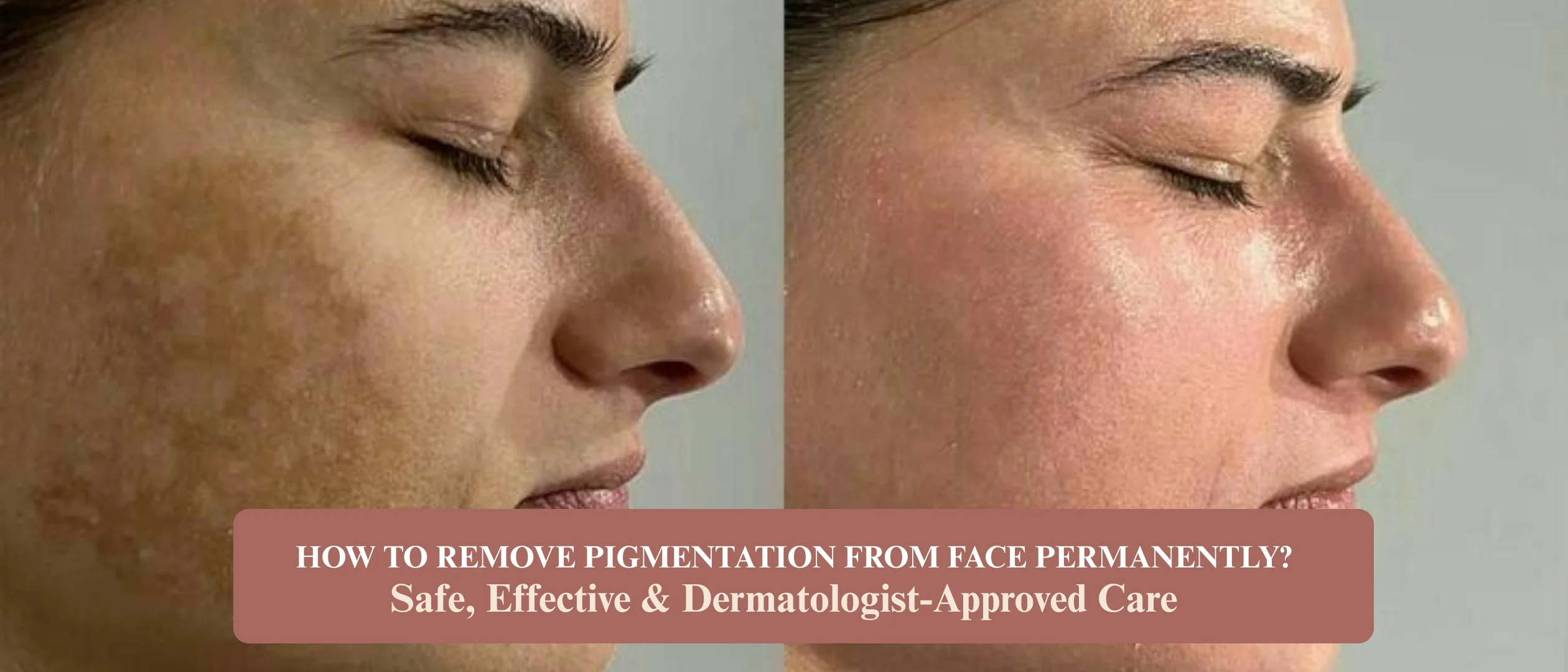
Of all the skin concerns people come in asking about, pigmentation is probably the one that generates the most frustration. Not because it is untreatable, but because most people have already spent a fair amount of time and money trying before they seek professional help. And yet the patches remain, sometimes barely changed after months of consistent use.
This is not necessarily because those products are poor. It is because established pigmentation generally sits deeper than what most over-the-counter topicals can meaningfully reach. That one distinction explains a lot of failed attempts.
The encouraging part is that pigmentation responds well to professional treatment when it is correctly matched to the type and cause. That last part is what most people miss. Pigmentation is not one condition. It is several, and they behave quite differently from one another. Using the wrong approach on the wrong type is the most common reason people end up feeling like nothing works.
At The Skin Firm Clinic, the starting point is always a proper assessment before anything is recommended, because the type present genuinely shapes everything that follows.
Why It Develops
Pigmentation happens when melanin-producing cells in certain areas become overactive and deposit more colour than the surrounding skin. What triggers that overactivity is where things differ between people.
Sun exposure is the most common cause. Years of UV accumulation creates uneven pigmentation, typically sitting heaviest on the cheeks, forehead, and nose. Hormonal changes are another significant driver, particularly in women during pregnancy or while on contraception. This is melasma. It tends to show up as larger symmetrical patches rather than scattered spots, and it is among the more stubborn types to treat because the hormonal connection means it can return even after being successfully cleared.
Post-inflammatory hyperpigmentation is different again. It is the dark mark left after the skin has been inflamed, whether from acne, a wound, or even an irritating product. The cause resolves but the discolouration stays, sometimes for many months.
Why does identifying the type matter so much? Because each one responds differently to treatment. A laser that works well on sun damage can cause real problems on melasma. Getting this wrong is not just unhelpful. It can set things back.
Can It Actually Be Removed Permanently?
For a lot of people, yes, to a meaningful degree. Sun damage and post-inflammatory hyperpigmentation that has been properly treated and consistently protected from UV afterward tends to stay cleared.
Melasma is more complicated. Its triggers, hormonal activity and UV exposure, remain part of daily life after treatment. So it has a greater tendency to return, particularly without diligent sun protection ongoing.
The realistic framing is this. Significant and lasting improvement is achievable for most people. Whether it holds long-term depends largely on what happens after treatment, sun exposure above everything else. That is not a disclaimer. It is just how melanin production works.
What Professional Treatment Involves
Laser
Laser is one of the most effective options available, particularly for sun damage and post-inflammatory pigmentation. It targets melanin directly with concentrated light energy, breaking it down so the body clears it naturally over the following weeks.
Different lasers suit different pigmentation types, depths, and skin tones. This is where the assessment matters most. A laser appropriate for one skin tone can cause pigmentation changes on another, which is why proper evaluation before any laser treatment is essential. When it is chosen correctly, results can be very significant, sometimes clearing patches that have been there for years over a course of sessions.
Chemical Peels
Peels use exfoliating acids to speed up the skin's renewal cycle, bringing fresher and more evenly toned skin to the surface faster than it would get there on its own. They range from mild to considerably stronger, with deeper options requiring some recovery time.
For pigmentation, peels work well on their own in milder cases and very effectively as part of a broader plan alongside other treatments. Overall skin tone and texture tend to improve alongside the pigmentation itself.
Prescription Topical Treatments
These are worth distinguishing from over-the-counter brightening products because they are genuinely different. Clinical formulations containing ingredients like hydroquinone, tretinoin, azelaic acid, and tranexamic acid at appropriate concentrations are a meaningful step up. They work gradually, over months rather than weeks, but they are an important part of long-term management, particularly for melasma, and they play a real role in maintaining what professional procedures achieve.
Microneedling
Microneedling creates controlled micro-injuries in the skin to stimulate cell turnover and collagen production. Combined with appropriate serums, it reduces pigmentation over a course of sessions while improving overall skin quality. It suits post-inflammatory hyperpigmentation particularly well and integrates effectively into a broader treatment plan.
Hydrafacial with Brightening Boosters
For milder pigmentation, or as ongoing maintenance after more intensive treatment, Hydrafacial combined with brightening serums supports gradual improvement in skin tone and clarity. It is the gentler end of the spectrum, with no real downtime, and suits people whose pigmentation is not severe or who are working to maintain results already achieved.
What Tends to Fall Short
Over-the-counter brightening products are not formulated at concentrations strong enough to clear pigmentation that has been sitting in the skin for any significant time. They can slow new development and offer some benefit for very mild discolouration, but shifting what is already established is beyond what they are designed to do.
Home remedies get recommended online constantly. Lemon juice is the most cited. In practice these are either too weak to have any real effect or, worse, irritating enough to trigger further melanin production. Irritation and pigmentation tend to compound each other rather than cancel out.
At-home skincare has genuine value in supporting and extending professional treatment results. As a primary approach to clearing what is already there, it rarely gets the job done on its own.
Sun Protection Is Not Optional
UV exposure directly stimulates melanin production. Without daily sun protection, professional treatment is working against an ongoing trigger for the very problem it is trying to resolve. Results come more slowly, are less significant, and are far more likely to reverse.
Broad-spectrum SPF 50 every morning is the foundation that everything else in a pigmentation treatment plan builds on. Reapplication during extended outdoor time is part of that too. This is not a supplementary recommendation. It is the part the whole thing depends on.
How Long It Actually Takes
Pigmentation does not clear quickly. Mild cases can show real improvement within a few sessions. Deeper or longer-standing pigmentation, melasma in particular, is a process of several months. Progress happens throughout, but gradually.
Going in with that understanding makes it significantly easier to stay consistent with the plan, which itself is one of the biggest factors in getting a good outcome. People who expect quick results and do not see them tend to abandon treatment before it has had the chance to work properly.
At The Skin Firm Clinic, the plan is built around each patient's specific presentation after a proper assessment. It varies considerably between individuals, which is why assessment always comes before recommendation.
Conclusion
Pigmentation is very treatable. But the gap between treatments that work and treatments that disappoint almost always comes down to whether the right approach was matched to the right type. For anyone who has been through multiple products or procedures without satisfying results, a proper clinical assessment is the most useful next step. Understanding exactly what is present changes what is possible.
A consultation at The Skin Firm Clinic is the right place to start that process.