
What Is Postnatal Hair Loss?
Postnatal (postpartum) hair loss is the heavy shedding many women notice a few months after delivery. The American Academy of Dermatology says it usually peaks around four months after birth, is caused by falling estrogen levels, and is a temporary shedding called telogen effluvium rather than true hair loss.
For most women it settles on its own, and the AAD says many regain their usual fullness by their child's first birthday. It can still be upsetting to see so much hair on the brush and pillow.
If shedding is heavy, lasts beyond a year, or comes with other symptoms, another cause such as low iron or a thyroid problem may be involved. That is when an assessment helps. Our hair loss treatment page explains how we assess other kinds of hair loss.
Signs & Symptoms of Postnatal Hair Loss
More hair than usual on the brush, in the shower drain or on the pillow
Thinner ponytail or a wider parting
Short new hairs along the hairline
Shedding that starts about two to four months after delivery
Hair that feels dry, brittle or less full
Shedding that has not eased a year after delivery
Common Causes of Postpartum Shedding and Thinning
Hormone changes. Estrogen is high in pregnancy and falls after delivery, so many hairs enter the shedding phase together.
Low iron, vitamin or protein intake. Blood loss at delivery, breastfeeding and a hurried diet can lower iron and other nutrients.
Thyroid changes. Postpartum thyroid problems can cause shedding, and need a blood test and a doctor.
Stress and poor sleep. A new baby brings both. The AAD lists stress and nutrition among common causes of shedding.
Another hair condition. Female pattern hair loss or other conditions can first be noticed after pregnancy.
Who Assesses and Plans Your Postnatal Hair Loss Care
Dr. Karishma Singh, Founder and Skin & Aesthetic Specialist (BHMS, FCHD), leads treatment planning and in-clinic procedures. Dr. Monica C., Consultant Dermatologist (MD Dermatology, Venereology & Leprosy; NMC-registered), assesses medical causes and prescribes medicines where they are needed.
Because you may be breastfeeding, we ask about feeding, supplements and medicines first. Some hair medicines are not suitable during pregnancy or breastfeeding, and we will not start anything without checking with you.
How Our Postnatal Hair Loss Care Works
Consultation & Scalp Assessment
We ask about your delivery date, shedding pattern, diet, iron and thyroid history, medicines and breastfeeding. We examine the scalp and tell you which tests, if any, are needed.
Personalised Plan
Many women need reassurance, nutrition support and gentle hair care first. Where a clinic treatment is advised, we explain the options, risks and the written fee before you decide.
In-Clinic Treatment (If Advised)
Treatments such as PRP/GFC or mesotherapy are short sessions. We explain how many sessions to expect and how far apart.
Review & Follow-up
We review at set intervals and tell you if your shedding is settling as expected or needs a doctor to look for another cause.
Postnatal Hair Loss Treatment Options in Pune
Nutrition & Lifestyle Guidance
Checks for low iron, vitamin or protein intake, with food-first advice. Supplements are taken only after review by a clinician.
Gentle Hair Care Advice
Following the AAD, a volumising shampoo, conditioner applied to the ends, and gentle handling can make thinning hair look fuller.
PRP / GFC Therapy
Growth-factor treatments from your own blood, given as a series if advised. Evidence is still developing, so we discuss it honestly. See our GFC therapy page.
Mesotherapy
Scalp injections of vitamins and nutrients, used selectively. See our hair mesotherapy page.
Low-Level Laser Therapy
A light-based option sometimes used to support the scalp. It is not suitable for everyone, and we advise after assessment.
Doctor-Prescribed Care
If another cause is found, a doctor may prescribe medicines that are suitable for your stage of breastfeeding.
What Results Can You Expect?
Postnatal shedding usually settles on its own over months, and the AAD says many women regain their usual fullness by their child's first birthday. Treatments cannot speed up everyone's recovery, and results vary.
Hair growth is slow. New hair takes months to be visible, so we judge progress over months rather than weeks. If your hair has not regained its fullness after a year, the AAD advises seeing a dermatologist, as another cause may be involved.
Postnatal Hair Loss Treatment Cost in Pune
The cost depends on what your assessment finds: whether you need only guidance and tests, or in-clinic treatments such as PRP/GFC or mesotherapy, and how many sessions and review visits are advised.
We don't work from a fixed price list. After your consultation you receive the recommended plan and a written fee, so you can decide at your own pace.
What Our Postnatal Hair Care Plan Covers
Looks for the cause. Not every shedding after delivery is normal postpartum shedding.
Takes breastfeeding into account. We review each option against feeding before suggesting it.
Starts with the simplest steps. Nutrition, gentle care and reassurance come before procedures.
Explains evidence honestly. Including what is still being studied.
Sets realistic timelines. Based on the hair growth cycle.
Reviews and adjusts. The plan changes if your hair is not recovering as expected.
Downtime After In-Clinic Hair Treatments

Mild scalp tenderness, redness or small bumps at injection points can occur and usually settle within a day or two.
Most women return to routine activities the same day.
Tell us if you notice swelling, pain or signs of infection.
Post-Care for Postnatal Hair Loss
Use a gentle shampoo and apply conditioner mainly to the ends, as the AAD suggests.
Avoid tight hairstyles, heat styling and chemical colouring for a few days after treatments, if advised.
Keep the scalp clean and avoid heavy oiling right after injections.
Eat enough protein, iron-rich foods and fluids, and take supplements only after clinician review.
Keep your follow-up visits so we can check progress.
Remove loose hair from baby's fingers and toes: shed hair can wrap around them (the AAD calls this a hair tourniquet).
Safety, Side Effects and Choosing Who Treats You
Scalp injections and PRP can cause pain, bruising, swelling, headache or, rarely, infection. Some hair medicines, including some used for pattern hair loss, are not suitable during pregnancy or breastfeeding, so tell us if you are nursing or planning another pregnancy.
Heavy shedding, patchy loss, scalp pain or itching, or hair that is not recovering need a doctor's assessment. Always tell us about every product, supplement and medicine you use.
Why The Skin Firm is Pune's Trusted Clinic
Dermatologist-Led Expertise
Dr. Karishma Singh, Skin Specialist
Personalised Treatment Plans
no one-size-fits-all
Advanced Technology
medical-grade, safe & effective
Proven Track Record
thousands of happy patients
Safety First
evidence-based, dermatologist-approved care
Who Can Consider a Postnatal Hair Assessment?
Women with heavy shedding after delivery that is worrying them.
Women whose hair has not regained fullness a year after delivery.
Women who are breastfeeding and want options reviewed for feeding.
Women with possible low iron, thyroid or nutrition concerns.
Women with patchy loss, scalp symptoms or a family history of hair loss.
Treatment may need to wait or change if you are pregnant, have a scalp infection, or have a bleeding or blood condition. Tell us at your consultation.
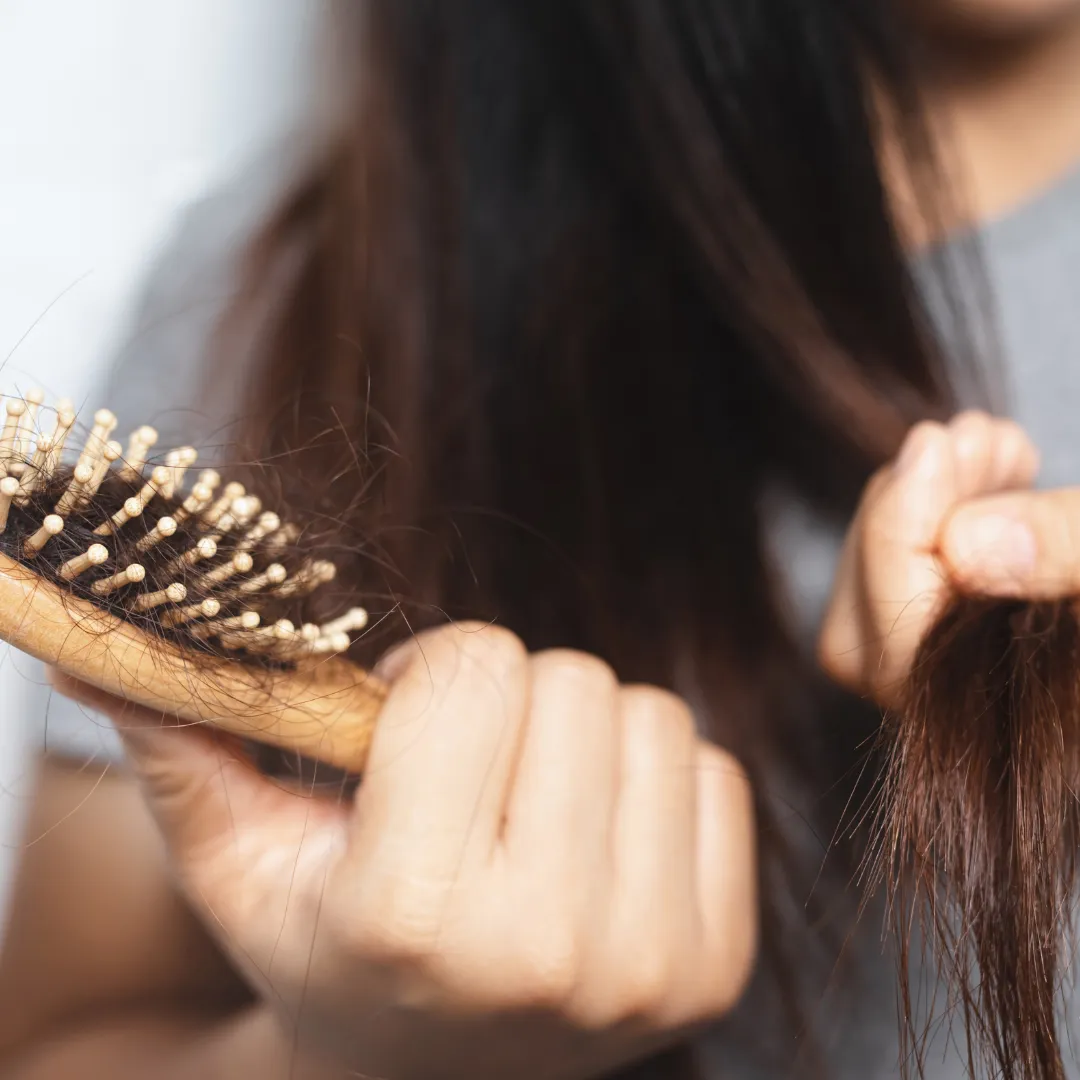
Hair Loss & Hair Fall Treatment
Losing 50 to 100 hairs a day is normal, according to the American Academy of Dermatology. Hair loss is when more hair falls than regrows, so…
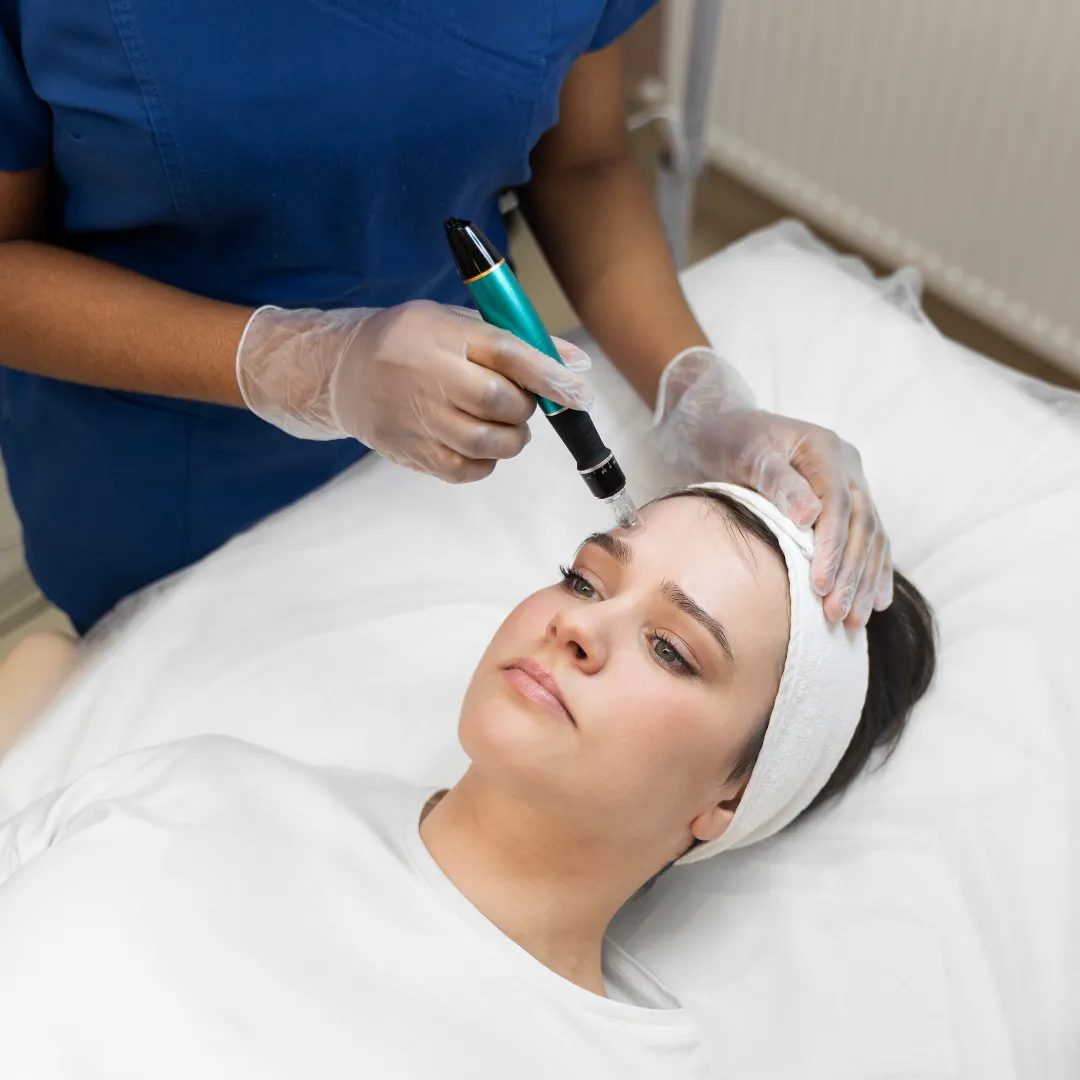
GFC Therapy
GFC (growth factor concentrate) therapy is a treatment in which a small sample of your own blood is processed to concentrate platelet-derive…
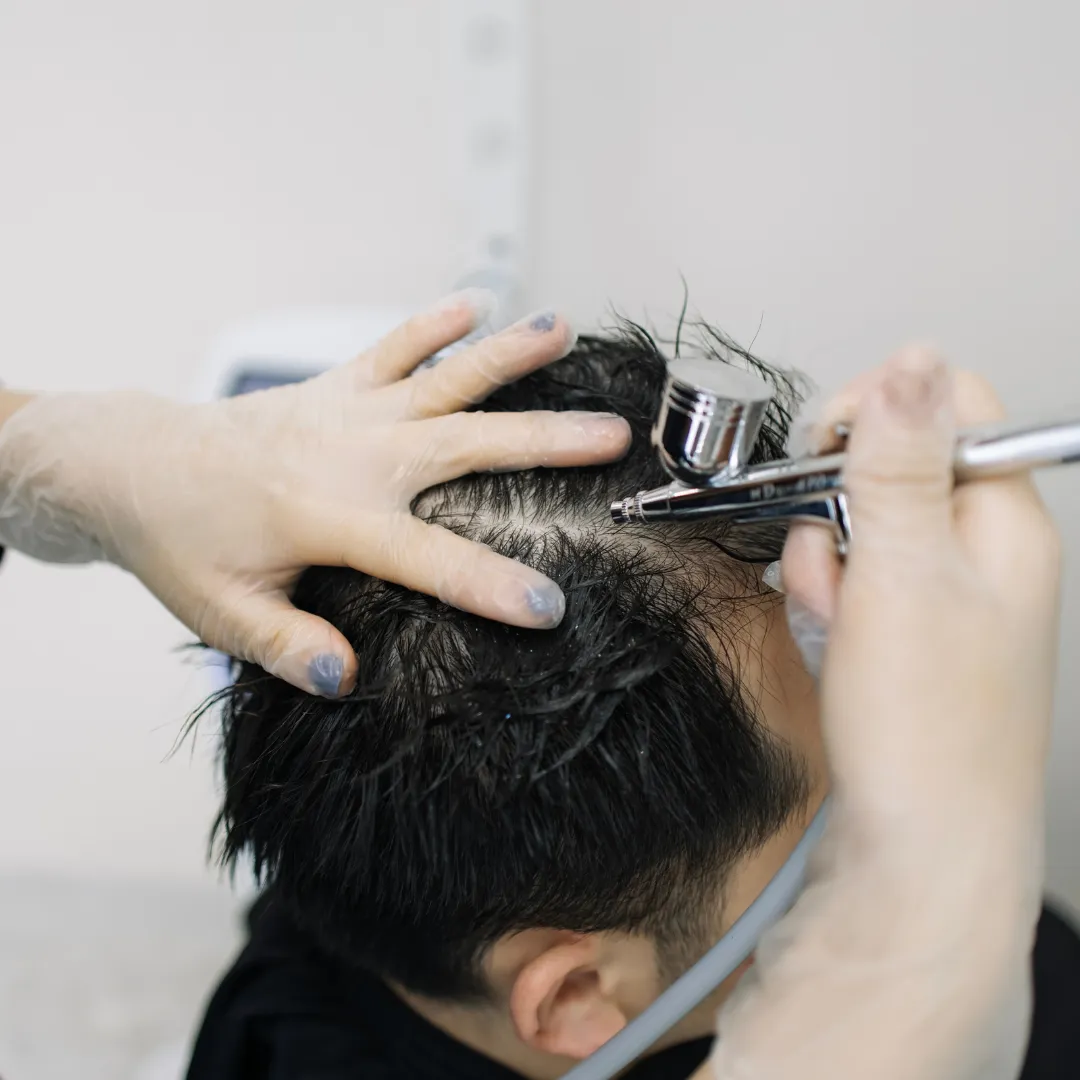
Hair Mesotherapy
Hair mesotherapy is a procedure in which small amounts of a nutrient mix, such as vitamins, minerals and amino acids, are placed into the sc…
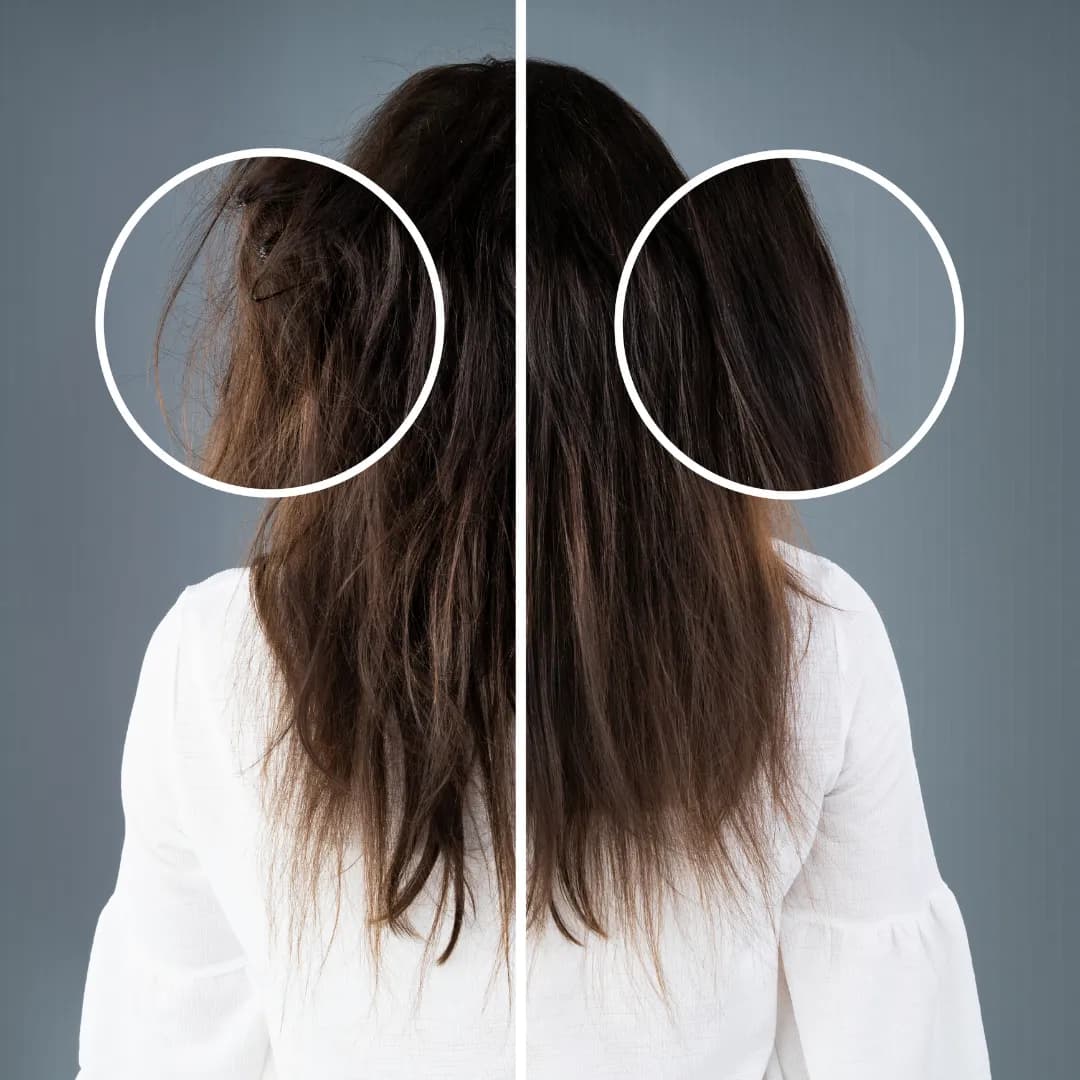
Hair Regrowth & Density Improvement
Thinner hair, a wider parting, slow regrowth or round bald patches can each have a different cause, so they need different plans. Common cau…
FAQs on Postnatal Hair Loss Treatment in Pune
Areas We Serve
We welcome postnatal hair loss care patients from across South Pune, including NIBM, Mohammed Wadi, Kondhwa, Wanowrie, Undri, Magarpatta, Hadapsar and Camp, and from nearby areas of Pune.
Book Your Postnatal Hair Loss Consultation in Pune
If postpartum shedding is worrying you, The Skin Firm is at Mohammed Wadi, NIBM, South Pune. A consultation covers a scalp assessment, tests if needed, options that take breastfeeding into account, and a written fee.
We see patients from Kondhwa, NIBM, Wanowrie, Undri and nearby areas. Call +91 8308669966 or use the button below to request a time.