
Hair Density and Regrowth: Start With the Cause
Thinner hair, a wider parting, slow regrowth or round bald patches can each have a different cause, so they need different plans. Common causes include inherited pattern hair loss, shedding after illness, stress, delivery or crash dieting, low iron or thyroid problems, and autoimmune alopecia areata.
Pattern hair loss. The AAD says female pattern hair loss is largely inherited, may be linked to hormones, and responds better to treatment started early.
Alopecia areata. An autoimmune condition that causes patchy hair loss. The AAD says many people regrow hair without treatment, especially children and people with a few patches under a year old, but the course is unpredictable and no single treatment works for everyone.
We examine the scalp, ask about your history and tell you whether tests or a doctor's review are needed. Our hair loss treatment page explains how we assess hair loss in general.
Signs & Symptoms We Assess
Thinner ponytail or wider parting
Receding hairline or thinning crown
Round or oval patches of hair loss
Slow or patchy regrowth after shedding
Increased hair fall on the comb or pillow
Short, fine hairs replacing thicker ones
Scalp itching, burning, redness or scaling
Who Assesses and Plans Your Hair Density and Regrowth Treatment
Dr. Karishma Singh, Founder and Skin & Aesthetic Specialist (BHMS, FCHD), leads treatment planning and in-clinic procedures. Dr. Monica C., Consultant Dermatologist (MD Dermatology, Venereology & Leprosy; NMC-registered), assesses medical causes such as alopecia areata and prescribes medicines where they are needed.
The AAD says a dermatologist diagnoses alopecia areata and chooses a plan based on how much hair is lost, how long, and where. We tell you at the consultation if your hair loss needs medical treatment, and which of our options can support it.
How Our Hair Regrowth Treatment Works
Consultation & Scalp Assessment
We ask about your hair history, diet, stress, delivery, illness, medicines and family history, and examine the scalp. If tests are needed, we tell you which and why.
Personalised Plan
Your plan may combine medicines, PRP/GFC, mesotherapy, low-level laser and nutrition advice. You get the likely timeline, risks and a written fee before you agree.
Treatment Sessions
In-clinic sessions are short. We explain how many to expect and how far apart, and what you need to do at home between visits.
Aftercare & Review
We review at set intervals. Hair grows slowly, so we judge progress over months and change the plan if it is not working.
Hair Density, Regrowth and Alopecia Areata Options in Pune
For Hair Density: Medicines
Non-prescription minoxidil and, where a doctor advises, prescription medicines. The AAD says these take 6 to 12 months to judge and benefits fade if stopped.
For Hair Density: PRP / GFC Therapy
Growth-factor treatments from your own blood, usually a series of sessions. Early research is promising but more evidence is needed. See our GFC therapy page.
For Regrowth: Mesotherapy
Scalp micro-injections of nutrients, used selectively. Evidence is limited. See our hair mesotherapy page.
For Regrowth: Low-Level Laser
A light-based option. The AAD says long-term safety and effectiveness of home laser devices are still uncertain.
For Alopecia Areata: Doctor-Led Care
Options such as watchful waiting, steroid creams or injections, or other medicines are chosen by a doctor after assessment.
Combination Plans
Combined plans are adjusted as your hair responds.
What Results Can You Expect?
Hair growth is slow. The AAD says judging minoxidil or prescription medicines takes about 6 to 12 months, and that the hair gained is usually lost within a few months of stopping. Results vary from person to person and cannot be promised.
Alopecia areata can come and go, and regrowth may be slow or may not happen. If hair loss is scarring, with destroyed follicles, hair does not regrow. We tell you honestly what is realistic for you.
Hair Regrowth Treatment Cost in Pune
The cost depends on the cause found, the treatments advised (medicines, PRP/GFC, mesotherapy or laser), the number of sessions and review visits, and any tests.
We don't work from a fixed price list. After your consultation you receive the recommended plan and a written fee, so you can decide at your own pace.
What Our Hair Regrowth Plan Covers
Finds the cause first. So treatment matches the problem.
Separates pattern loss from alopecia areata. They need different plans.
Involves a doctor when needed. For tests, medicines and autoimmune causes.
Explains the evidence honestly. Including what is still being studied.
Sets realistic timelines. Based on the hair growth cycle.
Reviews and adjusts. The plan changes if your hair is not responding.
Downtime After In-Clinic Hair Treatments

Mild redness, tenderness or small bumps at injection points can occur and usually settle within a day or two.
Some people have bruising or a headache.
Most people return to routine activities the same day.
Post-Care After Hair Treatments
Avoid touching or scratching the scalp for the first day.
Skip hair colouring, heat styling and heavy oiling for the days we advise.
Avoid heavy workouts, saunas and swimming for 24 hours, if advised.
Use medicines exactly as prescribed, and keep using them for as long as your doctor says.
Eat enough protein and iron-rich foods, and take supplements only after clinician review.
Keep your review visits so we can check progress.
Safety, Side Effects and Choosing Who Treats You
Minoxidil can cause scalp irritation and unwanted facial hair, and some hair medicines are not suitable during pregnancy or breastfeeding. Scalp injections can cause pain, bruising, swelling, headache or, rarely, infection.
Tell us if you are pregnant, planning pregnancy or breastfeeding, and about every product and medicine you use. Patchy loss, scalp pain or sudden heavy shedding need a doctor's assessment.
Why The Skin Firm is Pune's Trusted Clinic
Dermatologist-Led Expertise
Dr. Karishma Singh, Skin Specialist
Personalised Treatment Plans
no one-size-fits-all
Advanced Technology
medical-grade, safe & effective
Proven Track Record
thousands of happy patients
Safety First
evidence-based, dermatologist-approved care
Who Can Consider a Hair Density and Regrowth Assessment?
Women and men with thinning hair or a widening parting.
People with slow or patchy regrowth after illness, stress or delivery.
People with round bald patches, who should be assessed by a doctor.
People with a family history of hair loss.
People with scalp itching, burning or scaling.
Treatment may need to wait or change if you are pregnant or breastfeeding, have a scalp infection, or a bleeding condition. Tell us at your consultation.
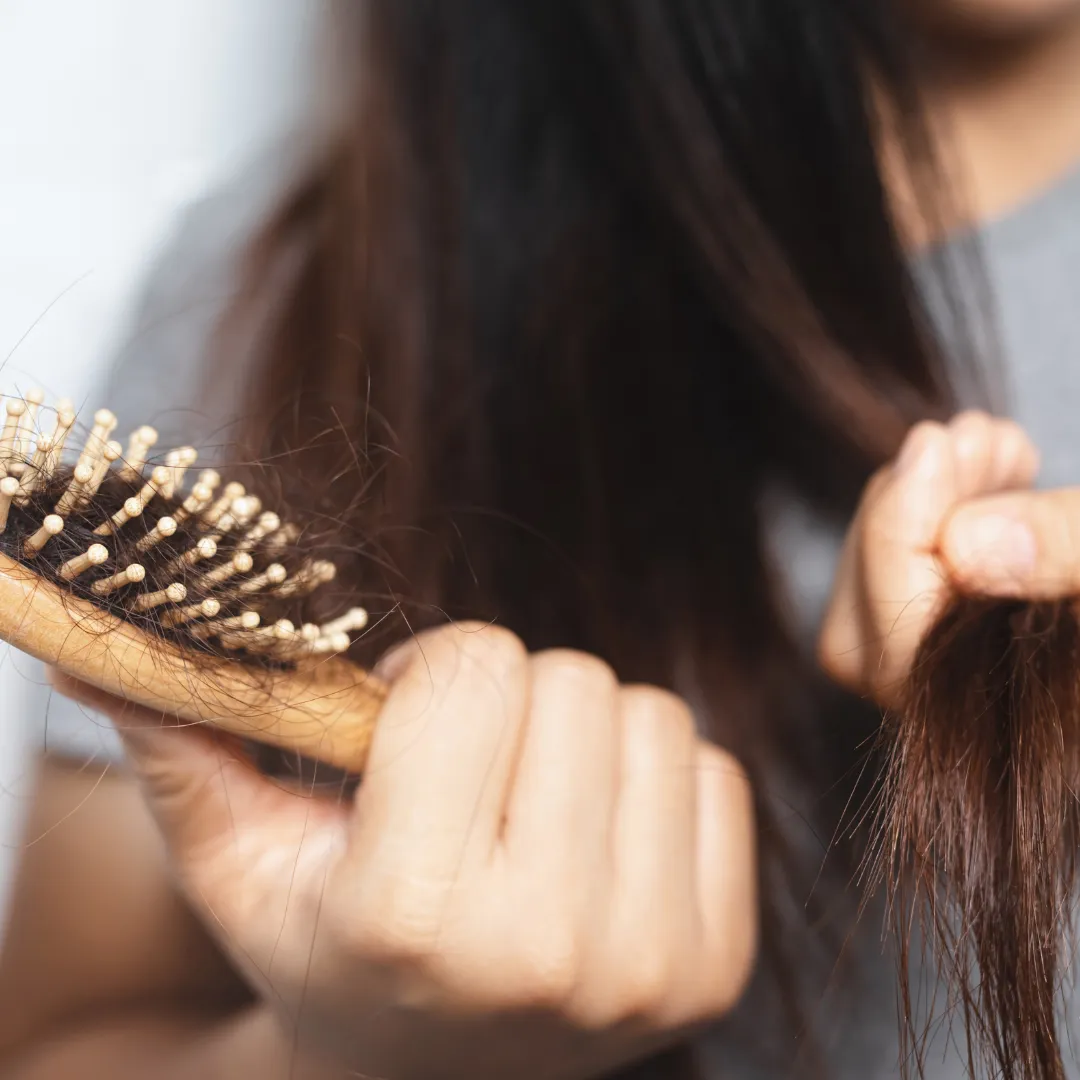
Hair Loss & Hair Fall Treatment
Losing 50 to 100 hairs a day is normal, according to the American Academy of Dermatology. Hair loss is when more hair falls than regrows, so…
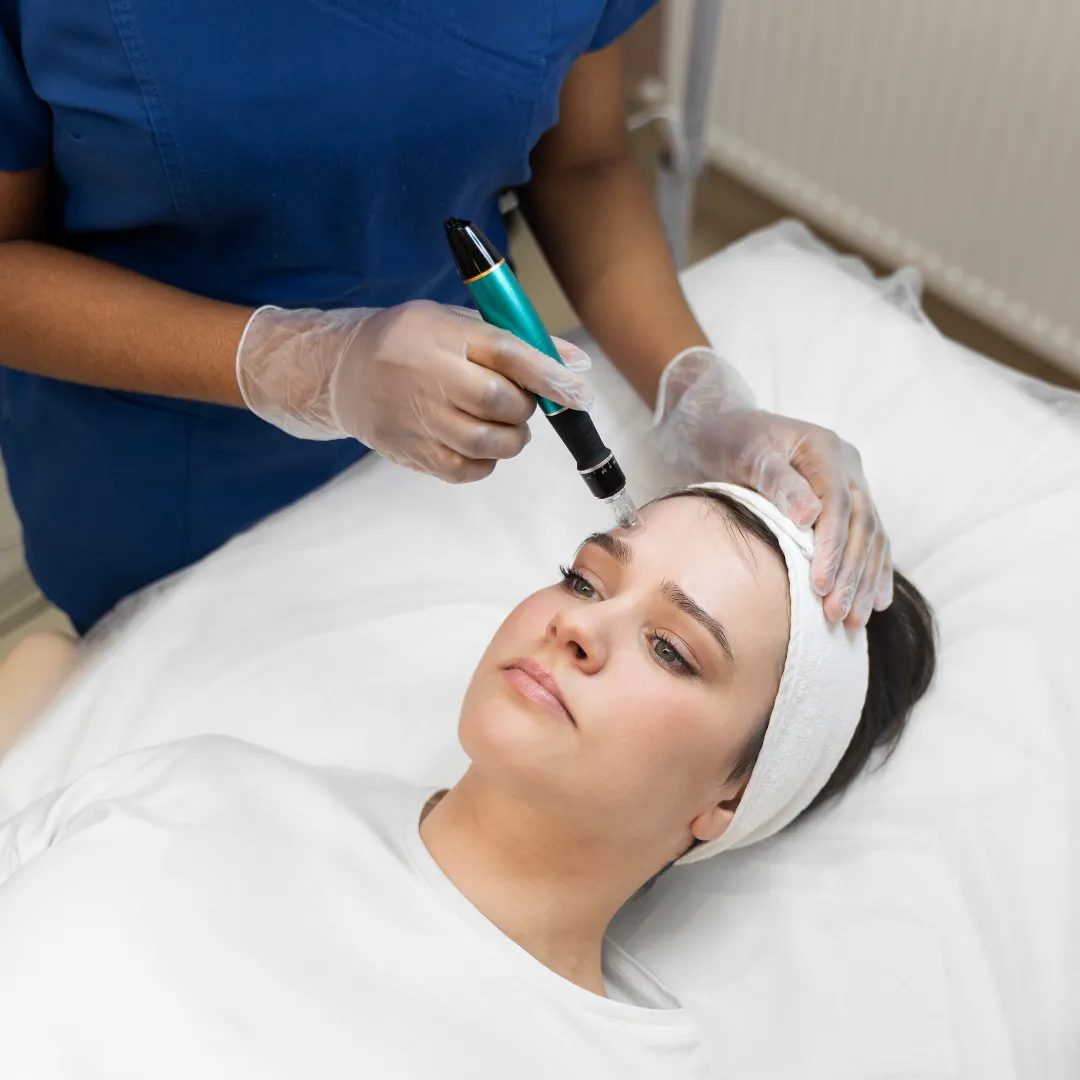
GFC Therapy
GFC (growth factor concentrate) therapy is a treatment in which a small sample of your own blood is processed to concentrate platelet-derive…
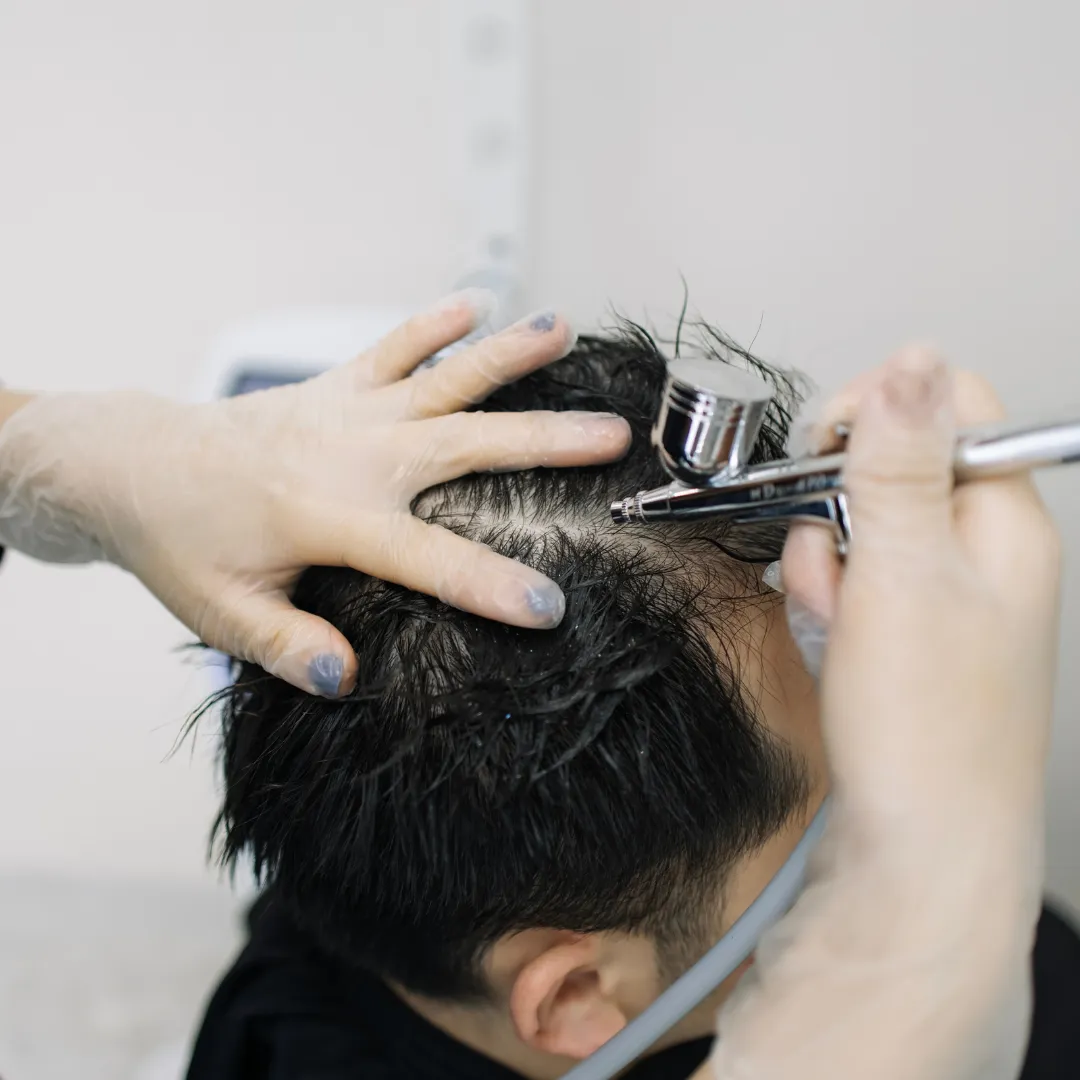
Hair Mesotherapy
Hair mesotherapy is a procedure in which small amounts of a nutrient mix, such as vitamins, minerals and amino acids, are placed into the sc…
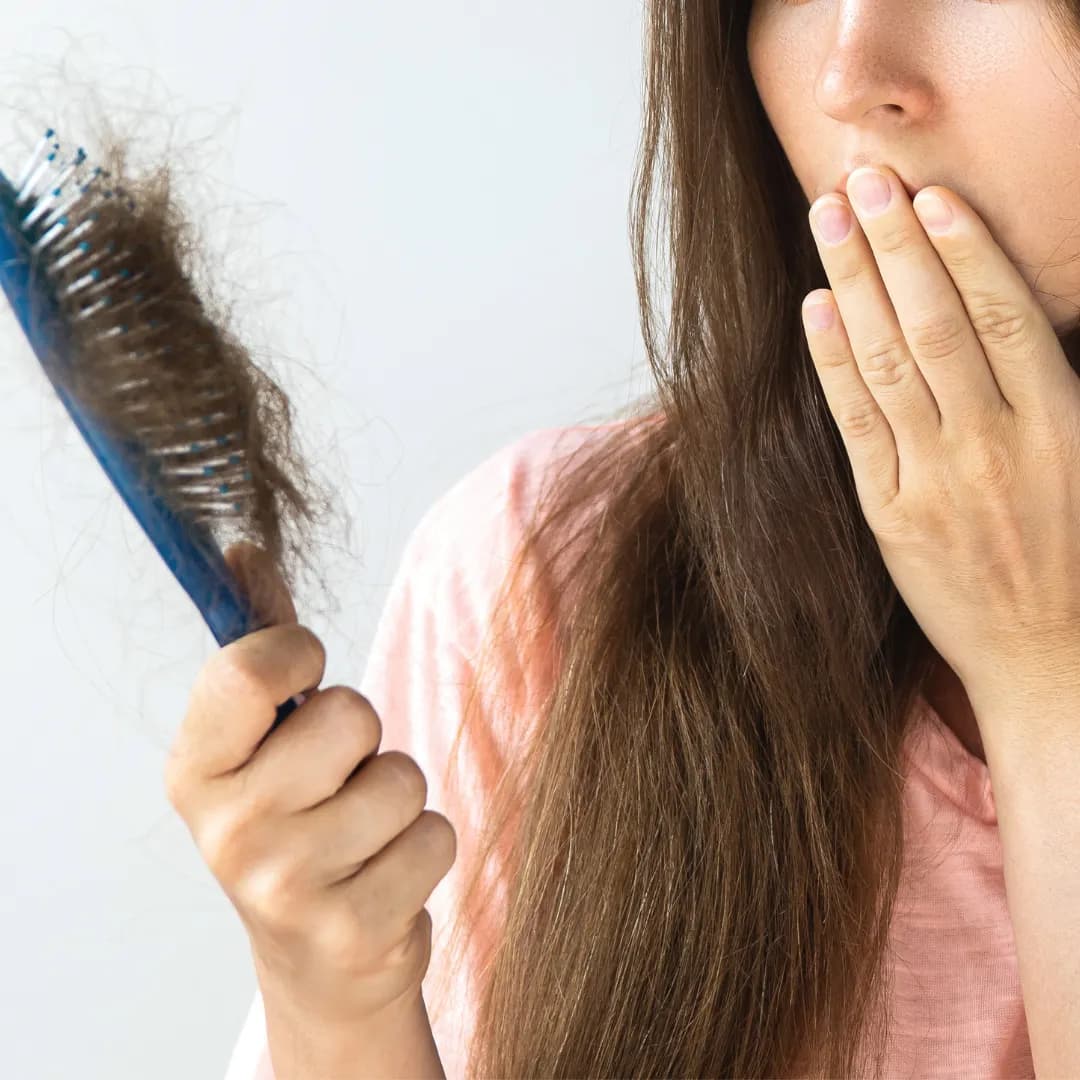
Postnatal Hair Loss Treatment
Postnatal (postpartum) hair loss is the heavy shedding many women notice a few months after delivery. The American Academy of Dermatology sa…
FAQs on Hair Density Improvement & Regrowth in Pune
Areas We Serve
We welcome hair density and regrowth patients from across South Pune, including NIBM, Mohammed Wadi, Kondhwa, Wanowrie, Undri, Magarpatta, Hadapsar and Camp, and from nearby areas of Pune.
Book Your Hair Regrowth Consultation in Pune
If you are looking for hair thinning or regrowth treatment in South Pune, The Skin Firm is at Mohammed Wadi, NIBM. A consultation covers a scalp assessment, tests if needed, the options that suit your hair loss, and a written fee.
We see patients from Kondhwa, NIBM, Wanowrie, Undri and nearby areas. Call +91 8308669966 or use the button below to request a time.