
What Is Hair Loss?
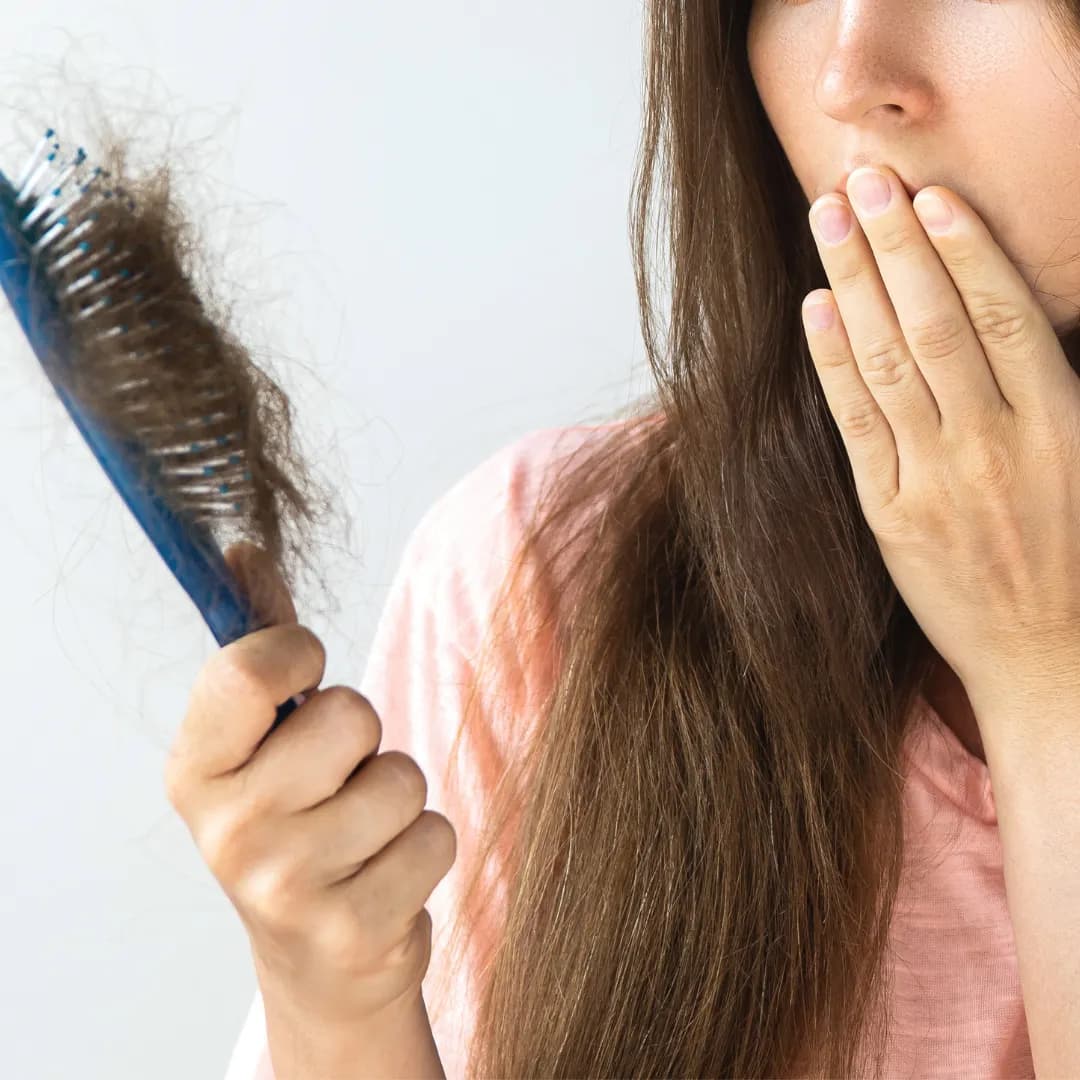
Losing 50 to 100 hairs a day is normal, according to the American Academy of Dermatology. Hair loss is when more hair falls than regrows, so the scalp slowly thins or bald patches appear. Shedding well above the usual range, often after illness, fever, childbirth or stress, is a related but different problem, and it usually settles on its own. Telling the two apart is the first job of a consultation.
Hair loss treatment in Pune at The Skin Firm starts with a scalp assessment at our clinic in Mohammed Wadi, NIBM. In many people more than one factor is involved, such as genes, hormones, nutrition, stress or a scalp condition, and the treatment that helps depends on which one is driving it.
Hair fall is easy to ignore while it is gradual. Earlier assessment tends to work better, and some types of hair loss cannot be reversed once the follicle has scarred.
Signs & Symptoms of Hair Loss
Gradual thinning on the scalp
A receding hairline or a widening part
Bald spots or patchy hair loss
Excessive shedding while combing or washing
Weak, brittle hair that breaks easily
Thinning or loss of eyebrows or beard in some cases
Redness, scaling, itching or pain on the scalp, which needs an examination
Common Causes of Hair Loss and Shedding
Pattern (hereditary) hair loss. Inherited genes shrink follicles over time. It shows as a receding hairline or crown thinning in men and a widening part in women, and it is the most common reason for gradual thinning.
Shedding after a trigger. Illness, high fever, surgery, childbirth, major weight loss, stress or stopping some medicines can push many hairs into the shedding phase together. It usually appears a few months after the trigger and typically settles in about 6 to 9 months. For pregnancy-related shedding, see our postnatal hair loss page.
Medical causes. Thyroid disease, low iron, zinc or protein, and hormonal conditions such as PCOS can all thin hair, and treating them can reverse it.
Patchy and scalp conditions. Alopecia areata causes round bald patches. Fungal infections and scalp psoriasis can cause scaly, inflamed areas. Scarring alopecias destroy follicles, so early diagnosis matters.
Hair care and medicines. Tight hairstyles, harsh chemical treatments and some medicines can cause loss. Never stop a medicine on your own because of hair fall; talk to the prescribing doctor first.
The American Academy of Dermatology lists these and more in its causes of hair loss.
Hair Loss Care at The Skin Firm: Who Assesses and Plans Your Treatment
Your plan starts with a consultation. We ask how long the hair loss has gone on, whether it began suddenly, your family history, recent illness, childbirth or stress, your diet and medicines, and what you have already tried. We examine the scalp and look at hair density.
Dr. Karishma Singh, Founder and Skin & Aesthetic Specialist (BHMS, FCHD), leads treatment planning at the clinic. Dr. Monica C., Consultant Dermatologist (MD Dermatology, Venereology & Leprosy; NMC-registered), assesses medical causes and prescribes where a prescription treatment is needed.
The American Academy of Dermatology notes that effective hair loss treatment begins with finding the cause, and that diagnosis can include a history, a scalp examination, a hair pull test and, if a disease or deficiency is suspected, blood tests or a scalp biopsy. We advise these tests when your history points to them.
How Our Hair Loss Treatment Works
Consultation & Scalp Assessment
We assess your scalp, hair density, medical and family history, diet and medicines to look for the cause. If tests are needed, we tell you which and why.
Personalised Hair Regrowth Plan
Your plan may include prescription medicines, PRP, mesotherapy, laser, or a mix, with supplements only if a test shows you need them. You get the likely timeline, the risks and a written fee before you agree.
Treatment Sessions
Injection treatments are done in the clinic with a numbing cream where needed. Each session is short, and we explain the number and spacing of sessions at the start.
Aftercare & Review
You get written home-care advice and review visits to check progress. Hair responds slowly, so progress is judged over months, and we adjust or stop what isn't helping.
Types of Hair Loss Treatments We Offer in Pune
Prescription Medicines
Topical minoxidil, oral finasteride for men and spironolactone for some women are established prescription options for pattern hair loss, according to the American Academy of Dermatology. A doctor prescribes them after assessment. They take months to show effect and work only while you keep using them, and finasteride and spironolactone are not suitable in pregnancy.
PRP (Platelet-Rich Plasma) Therapy
Platelets separated from a small sample of your own blood are injected into the scalp to support the follicles. The AAD describes PRP as usually repeated monthly for three months and then every three to six months. Evidence is still developing and results vary between people. See our GFC therapy page for the related growth-factor option.
Mesotherapy for Hair
Micro-injections of vitamins, minerals and amino acids go into the scalp to support scalp and follicle health. Evidence is limited, so we use it as a supporting step rather than a stand-alone answer. See our hair mesotherapy page.
Low-Level Laser Therapy
Low-level laser light is used to stimulate hair follicles. The AAD notes that laser therapy often needs several sessions a week for many months, and that devices differ in strength and quality.
Nutrition & Supplements
Iron, zinc or biotin help only if a blood test shows you are low. Taking them without a deficiency does not help, and too much iron can be harmful, so we test before advising.
Combination Plans
Most hair loss needs more than one approach, for example a prescription medicine alongside PRP. We combine only what your cause calls for and review the plan as your hair responds. See also our hair density and regrowth page.
What Results Can You Expect from Hair Loss Treatment?
Hair grows in cycles, so a change in shedding or density shows over months, not days. Anyone promising a quick fix for hair loss is not giving you the full picture.
The American Academy of Dermatology notes that minoxidil usually needs about 6 to 12 months of regular use before its effect can be judged, and finasteride about 4 months. It also notes that benefits fade if the medicine is stopped. Some people see extra shedding in the first weeks of minoxidil as hairs reset, and we tell you what to expect before you start.
PRP is a newer option. Research suggests it may slow hair loss in some people, usually as a series of sessions with reviews in between. The evidence is still developing, and results vary from person to person.
Starting earlier gives treatment more to work with. No treatment works for everyone, and hair cannot regrow from follicles that have been scarred. At your visit we explain what is realistic for your type of hair loss, review progress at set intervals and adjust the plan if it isn't helping.
Hair Loss Treatment Cost in Pune
The cost of hair loss treatment in Pune depends on the cause and stage of your hair loss, the treatments advised (medicines, PRP, mesotherapy, laser or a combination), the number of sessions and review visits, and whether blood tests are needed first.
Two people with hair fall rarely need the same plan, so we don't work from a fixed price list. After your scalp assessment you get the recommended plan and a written fee for it, and you can decide at your own pace. Ask for the full plan, including follow-up visits, before you begin.
To see how a plan is put together, read about PRP-based GFC therapy and hair mesotherapy.
Benefits of Hair Loss Treatment at The Skin Firm
Starts with the cause. Hair fall can come from genetics, hormones, nutrition, illness, medicines, stress or scalp conditions, so we look at your history and scalp before suggesting any treatment.
Separates shedding that settles from loss that needs treatment. Some shedding, such as after childbirth, a fever or surgery, often settles by itself, and we say so when treatment isn't needed.
Matches treatment to the cause. Medicines, PRP, mesotherapy, laser or supplements are chosen for your situation, not applied to everyone.
Gives a realistic timeline. You hear how many months a treatment usually needs before its effect can be judged.
Explains what treatment cannot do. For example, it cannot regrow hair from follicles that are scarred, and medicines only work while you keep using them.
Reviews and adjusts. Follow-up visits check progress, and the plan changes if your scalp isn't responding.
Downtime After Hair Loss Treatments

Most scalp treatments have minimal downtime, and you can usually resume routine activities as your doctor advises.
Mild redness, tenderness or tiny pinpoint marks at injection sites can occur and usually settle within a short time.
Some people notice extra shedding in the first weeks of medicines such as minoxidil. Tell us if it worries you.
Changes in hair show gradually over months. Don't expect a visible change after one visit.
Post-Care After Hair Loss Treatments
Avoid hair colour, straightening and other chemical treatments for the days your doctor advises after an injection session.
Wash with a mild shampoo and apply the medicated lotion or solution exactly as prescribed.
Take medicines as prescribed, and don't stop or change them without asking us. Benefits fade if treatment is stopped.
Take supplements only if a blood test shows a need. Extra vitamins that you don't lack don't help hair loss.
Protect your scalp from strong sun with a hat or scarf, especially if the scalp is thin or the parting is widening.
Keep your review visits, and call the clinic on +91 8308669966 if you have severe pain, spreading redness, pus or fever.
Safety, Side Effects and Choosing Who Treats You
Every hair loss treatment has risks to weigh. Scalp injections such as PRP and mesotherapy can cause pain, bruising, swelling and, rarely, infection at the injection site. Minoxidil can irritate the scalp and, in some people, cause unwanted hair growth on the face. Finasteride and spironolactone are prescription medicines with side effects your doctor will explain, and they are not suitable during pregnancy or breastfeeding. Tell us if you are pregnant, planning a pregnancy or breastfeeding.
Some hair loss needs a medical diagnosis first, such as scarring (cicatricial) alopecia, patchy autoimmune hair loss (alopecia areata), thyroid problems or iron deficiency. The American Academy of Dermatology says that finding the cause comes first, and that early care matters in scarring conditions because scarred follicles cannot regrow hair.
Choose a clinic where the person who treats you is clear about their qualifications. At The Skin Firm, Dr. Monica C., Consultant Dermatologist (MD Dermatology, Venereology & Leprosy; NMC-registered), assesses medical causes and prescribes where needed, and Dr. Karishma Singh, Skin & Aesthetic Specialist and Founder, leads treatment planning. If anything in your history needs a doctor's opinion before treatment, we tell you.
Why The Skin Firm is Pune's Trusted Clinic
Dermatologist-Led Expertise
Dr. Karishma Singh, Skin Specialist
Personalised Treatment Plans
no one-size-fits-all
Advanced Technology
medical-grade, safe & effective
Proven Track Record
thousands of happy patients
Safety First
evidence-based, dermatologist-approved care
Who Can Consider Hair Loss Treatment?
Men with early male pattern hair loss, such as a receding hairline or thinning at the crown, who want to understand their options.
Women with thinning hair, a widening parting or shedding after pregnancy. See our page on postnatal hair loss treatment.
Adults with shedding after illness, fever, surgery or a stressful period. This often settles, and an assessment tells you whether treatment is needed.
People with patchy hair loss. Patches need a medical assessment first, because the cause decides the treatment.
People with different hair and scalp types. Suitability depends on your assessment, not on hair type alone.
Treatment may need to wait or be adjusted if you are pregnant or breastfeeding, have a scalp infection, take blood thinners, have a bleeding disorder, or have an autoimmune or scarring scalp condition. Tell us at your consultation.
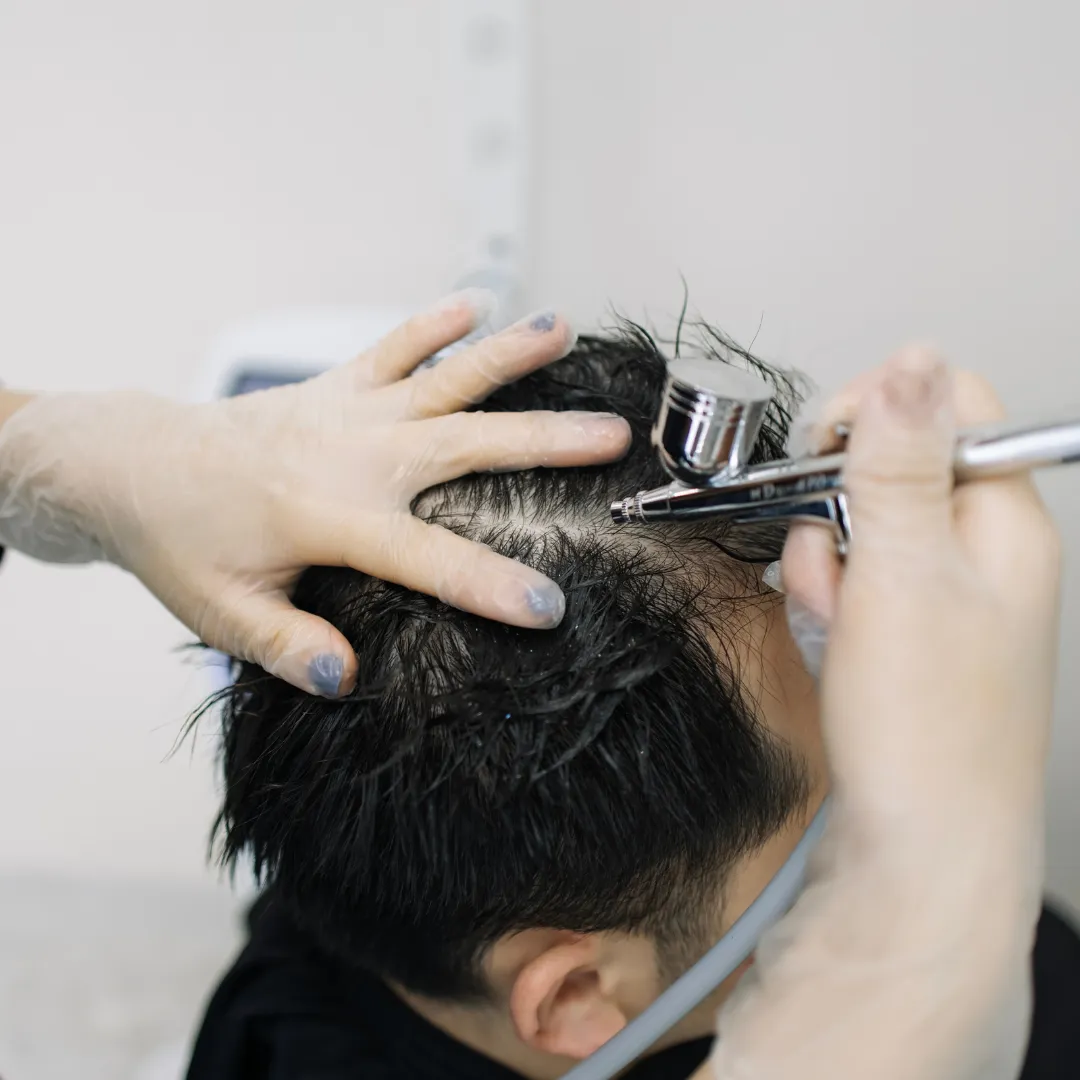
Hair Mesotherapy
Hair mesotherapy is a procedure in which small amounts of a nutrient mix, such as vitamins, minerals and amino acids, are placed into the sc…
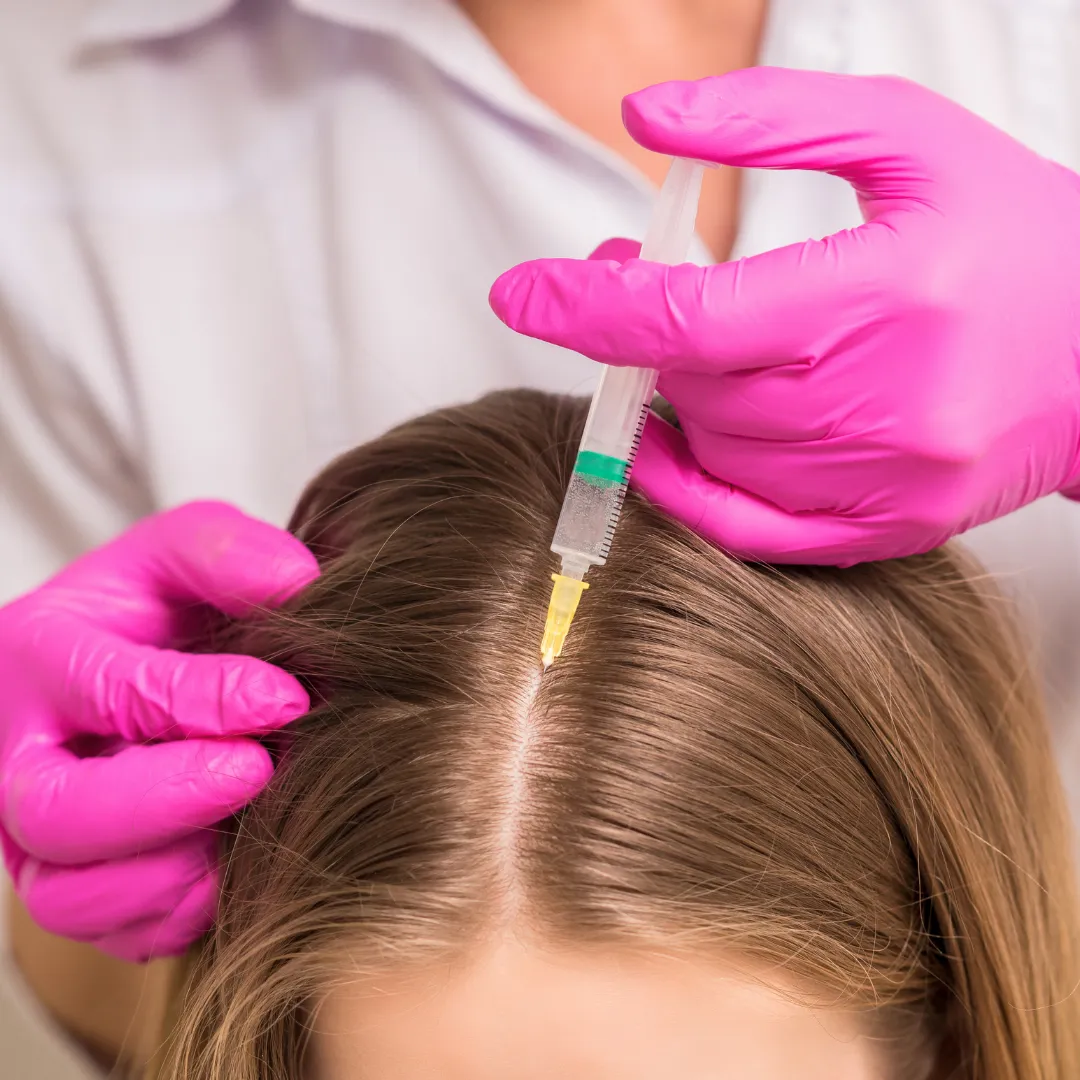
QR678 Hair Treatment
QR678 is a branded scalp treatment in which a peptide-based solution is placed into the scalp with fine needles or a device. Its makers desc…
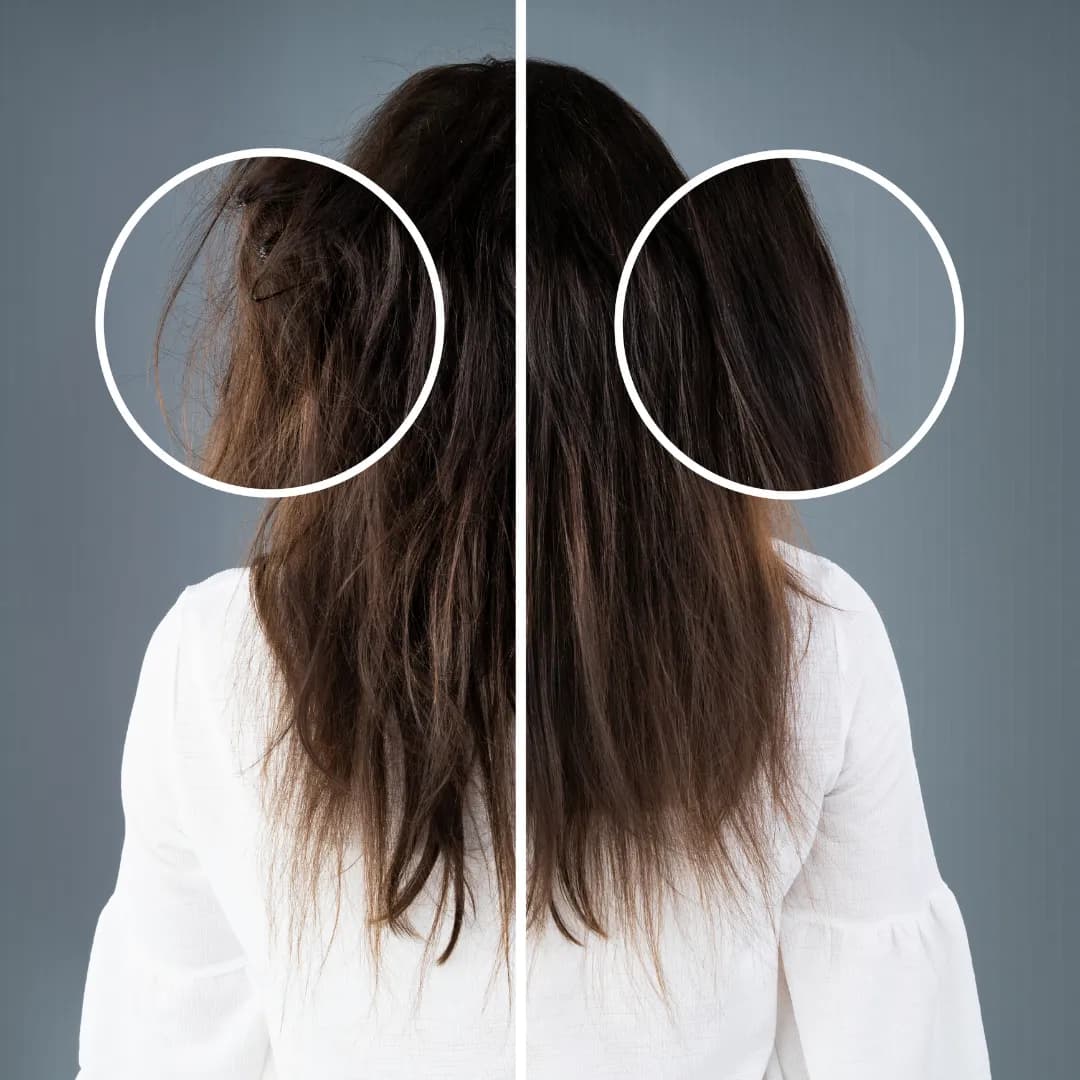
Hair Regrowth & Density Improvement
Thinner hair, a wider parting, slow regrowth or round bald patches can each have a different cause, so they need different plans. Common cau…
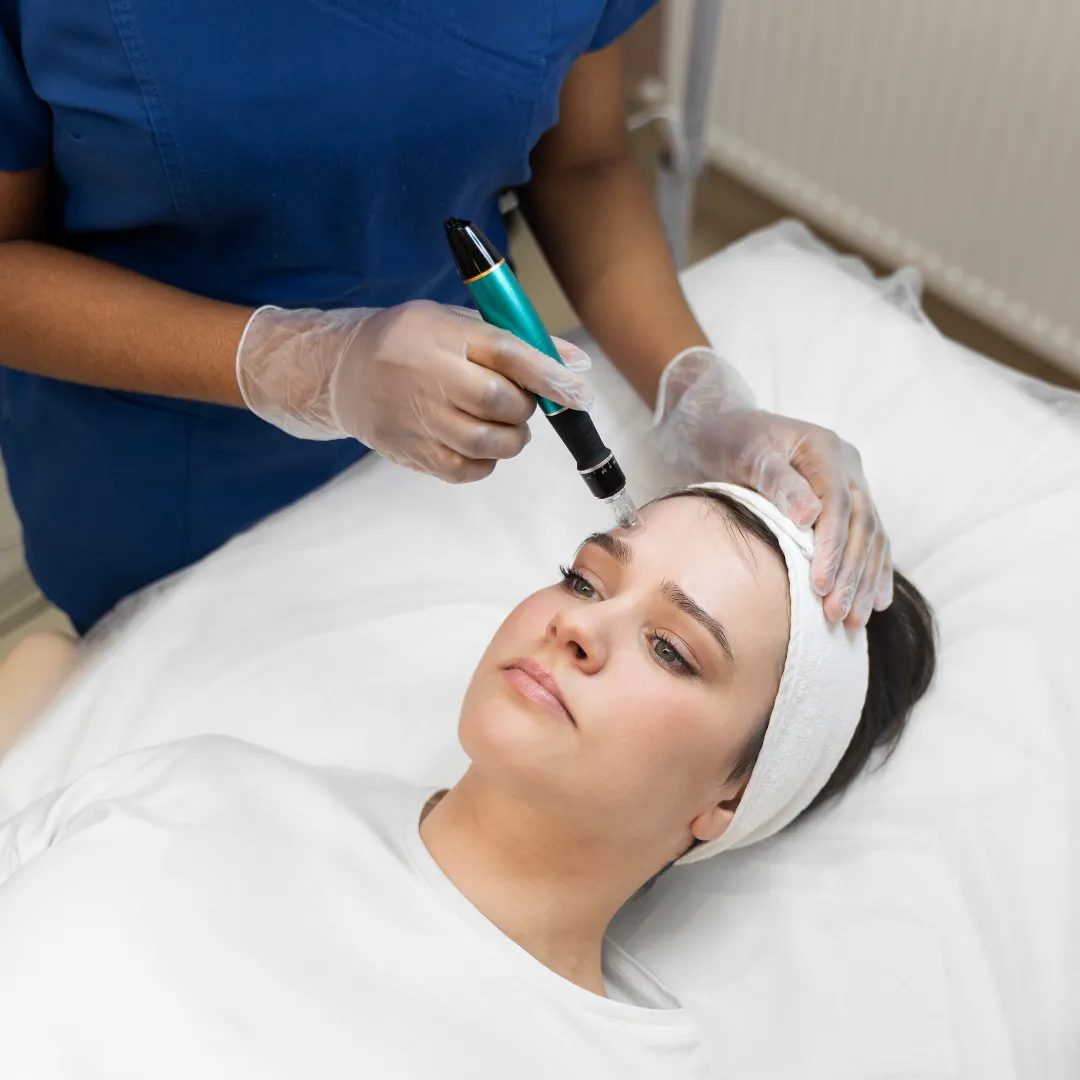
GFC Therapy
GFC (growth factor concentrate) therapy is a treatment in which a small sample of your own blood is processed to concentrate platelet-derive…
Postnatal Hair Loss Treatment
Postnatal (postpartum) hair loss is the heavy shedding many women notice a few months after delivery. The American Academy of Dermatology sa…
FAQs on Hair Loss Treatment in Pune
Areas We Serve
We welcome hair loss patients from across South Pune, including NIBM, Mohammed Wadi, Kondhwa, Wanowrie, Undri, Magarpatta, Hadapsar and Camp, and from nearby areas of Pune.
Book Your Hair Loss Consultation in Pune
If you're looking for a hair loss clinic in South Pune, The Skin Firm is at Mohammed Wadi, NIBM. A consultation covers a scalp assessment, the likely cause, the options that suit it, whether tests are advised, and a written fee.
We see patients from Kondhwa, NIBM, Wanowrie, Undri and nearby areas. Call +91 8308669966 or use the button below to request a time.