
What Is IV Drip Therapy?
IV (intravenous) therapy delivers fluids, vitamins or minerals directly into a vein through a drip. In medicine it is used to treat dehydration and proven nutrient deficiencies. Some clinics also provide drips as elective "wellness" treatments.
What the evidence shows. The Cleveland Clinic says that for relatively healthy people, IV vitamin therapy has limited evidence of general wellness benefit, that high-quality studies are lacking, and that it carries real risks. It is not a substitute for a healthy diet, sleep, exercise or prescribed medicine, and it should not be seen as a miracle cure.
We do not make claims that a drip detoxifies, boosts immunity, lightens skin or reverses ageing, because the evidence does not support them. We assess your health first and tell you honestly whether a drip makes sense for you at all.
When People Ask About IV Drips
Feeling tired or run down
Dehydration after illness or travel
A blood test showing a nutrient deficiency
Poor appetite or reduced oral intake
Interest in a "wellness" drip
Questions about drips as part of a skin plan
Who Assesses and Plans Your Treatment
Dr. Karishma Singh, Founder and Skin & Aesthetic Specialist (BHMS, FCHD), leads treatment planning and procedures. Dr. Monica C., Consultant Dermatologist (MD Dermatology, Venereology & Leprosy; NMC-registered), assesses medical causes and prescribes medicines where they are needed.
IV therapy is a medical procedure. We tell you at the consultation which doctor assesses you, prescribes the drip and supervises it, and we advise tests or a GP review first if your tiredness or symptoms need explaining.
How Our IV Drip Process Works
Medical Consultation & Assessment
We take a medical history, review medicines and conditions, and advise tests where needed. We tell you whether a drip is appropriate or whether oral options or a GP review come first.
Personalised Plan
If a drip is advised, we explain the contents, the reason, the risks, the number of sessions and the written fee.
Drip Administration
A trained clinician places a cannula in a vein under sterile conditions and monitors you during the infusion.
Aftercare & Review
You get written aftercare. We review how you feel and advise on whether further drips are worthwhile.
IV Drip Options in Pune
Hydration Drip
Fluids for dehydration when advised by a doctor.
Vitamin or Mineral Replacement
Used only for a medically identified deficiency or need.
Wellness Drips
Provided only after assessment and discussion of the limited evidence. We do not promise energy, immunity or detox effects.
Drips for Skin Plans
Skin concerns are better addressed with skin-specific treatments. See our skin whitening and brightening and pigmentation pages.
Personalised Plans
Contents are chosen by the supervising doctor for your needs and medicines.
What Results Can You Expect?
Rehydration after dehydration can help you feel better quickly. For general wellness, the Cleveland Clinic says benefits are uncertain. Results vary from person to person and cannot be promised.
IV therapy is not a substitute for medicines, a healthy diet, sleep, exercise or stress management.
IV Drip Therapy Cost in Pune
The cost depends on the contents, volume and duration of the drip, the number of sessions, and any tests or review visits.
We don't work from a fixed price list. After your consultation you receive the recommended plan and a written fee, so you can decide at your own pace.
What Our IV Drip Process Covers
Starts with a medical assessment. Not everyone should have a drip.
Explains the evidence honestly. Including that wellness benefits are uncertain.
Uses sterile technique and monitoring.
Tells you what is in the drip and why.
Checks medicines and conditions. Including heart, kidney and blood pressure.
Does not promise detox, immunity or skin effects.
Downtime After an IV Drip

A small bruise, tenderness or redness at the needle site is common and usually settles within days.
Some people feel light-headed or notice a metallic taste during the drip.
Most people return to routine activities after the session.
Post-Care After an IV Drip
Keep the needle site clean and dry for the time we advise.
Drink fluids and eat normally, unless we advise otherwise.
Avoid heavy lifting with the treated arm for the time we advise.
Report any fever, chills, rash, swelling, severe pain or breathing difficulty at once.
Take prescribed medicines as normal unless your doctor says otherwise.
Keep your review visit if advised.
Safety, Side Effects and Choosing Who Treats You
The Cleveland Clinic lists risks of IV vitamin therapy: infection or bruising at the needle site, vitamin toxicity from excessive doses, air or clot-related blockage of blood vessels, and interactions with medicines. Allergic reactions and vein irritation can also occur. It advises talking to your doctor first and being cautious if you have heart disease, high blood pressure, kidney disease or are pregnant.
Ask who supervises the drips and how they are prepared, as the Cleveland Clinic suggests. Tell us about every condition, medicine and supplement you take.
Why The Skin Firm is Pune's Trusted Clinic
Dermatologist-Led Expertise
Dr. Karishma Singh, Skin Specialist
Personalised Treatment Plans
no one-size-fits-all
Advanced Technology
medical-grade, safe & effective
Proven Track Record
thousands of happy patients
Safety First
evidence-based, dermatologist-approved care
Who Can Consider an IV Drip?
People advised a drip by a doctor for dehydration or a proven deficiency.
People recovering from illness with poor oral intake, on medical advice.
People who want to discuss it and understand the limited evidence.
People whose tests and medical history make a drip appropriate.
People who want a clear explanation of contents and risks.
A drip may not be suitable if you have heart disease, high blood pressure, kidney disease, are pregnant or breastfeeding, have allergies to the contents, or take certain medicines. Tell us at your consultation.
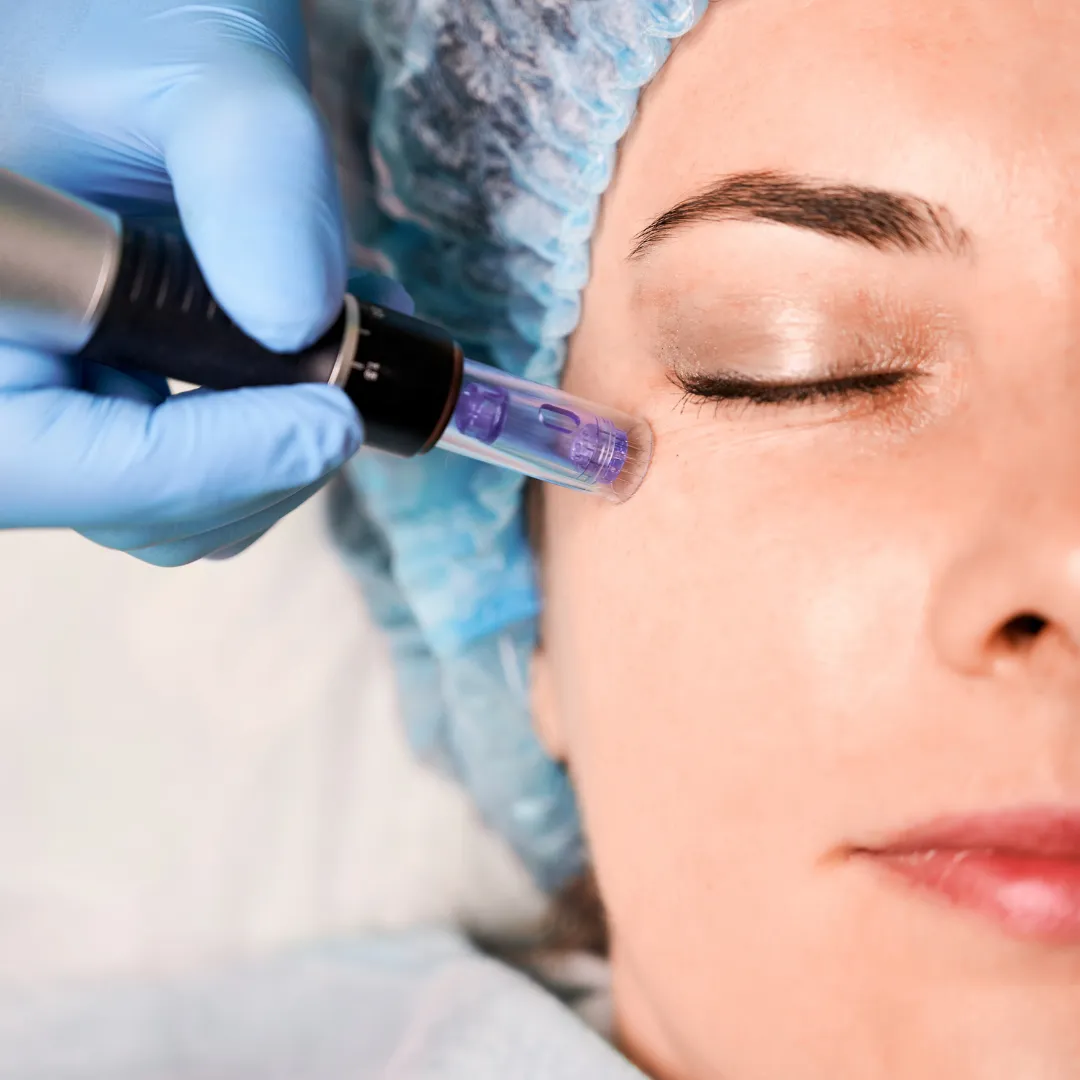
Mesotherapy
Mesotherapy places small amounts of a customised mix, such as vitamins, antioxidants and hyaluronic acid, into the upper layers of the skin…
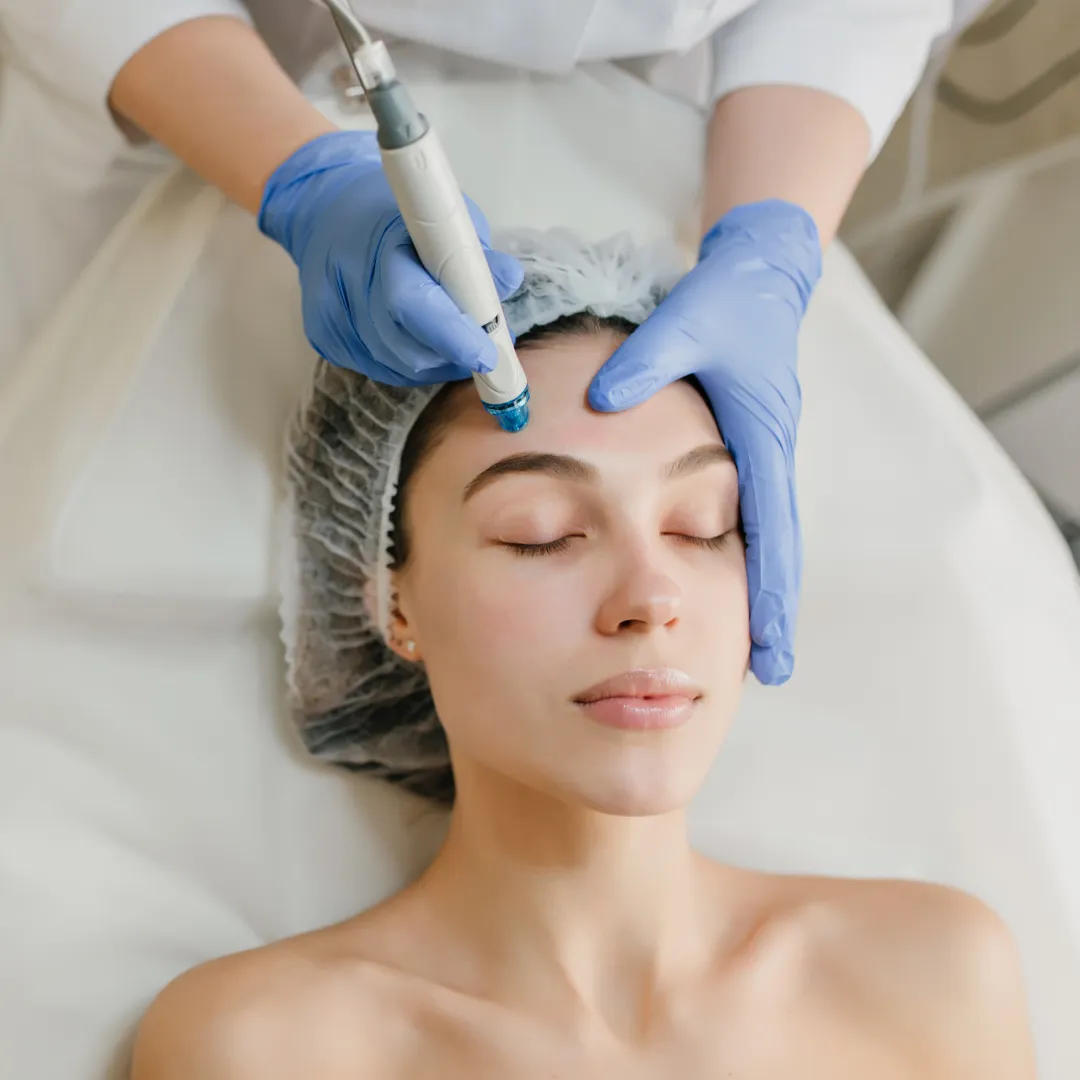
Skin Boosters
Skin boosters are micro-injections of a hyaluronic acid (HA) product placed in small amounts into the skin to improve hydration and skin qua…
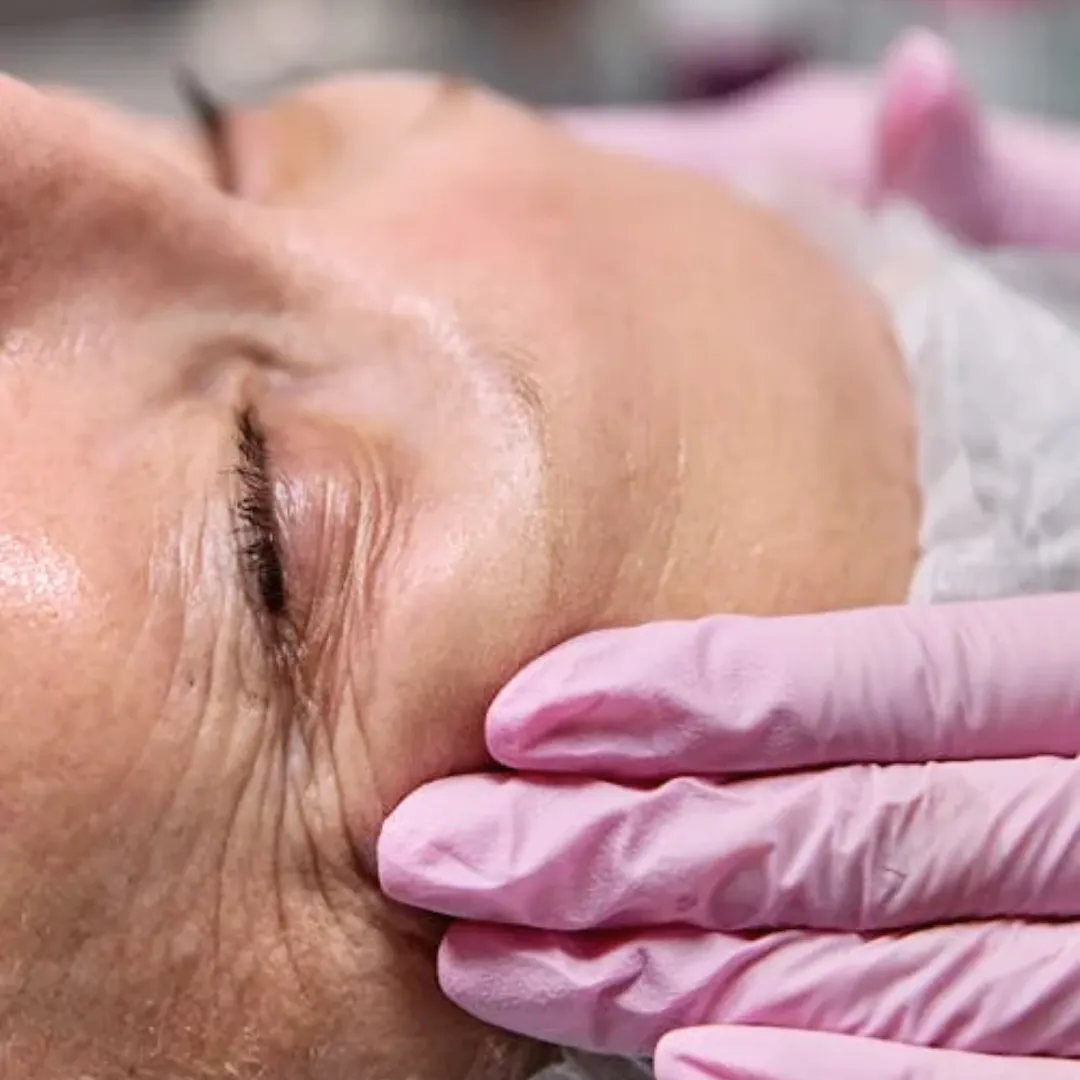
Anti-Ageing Treatment
Anti-ageing treatment is a group of skin and medical-aesthetic procedures that aim to soften the visible signs of ageing: fine lines, loss o…
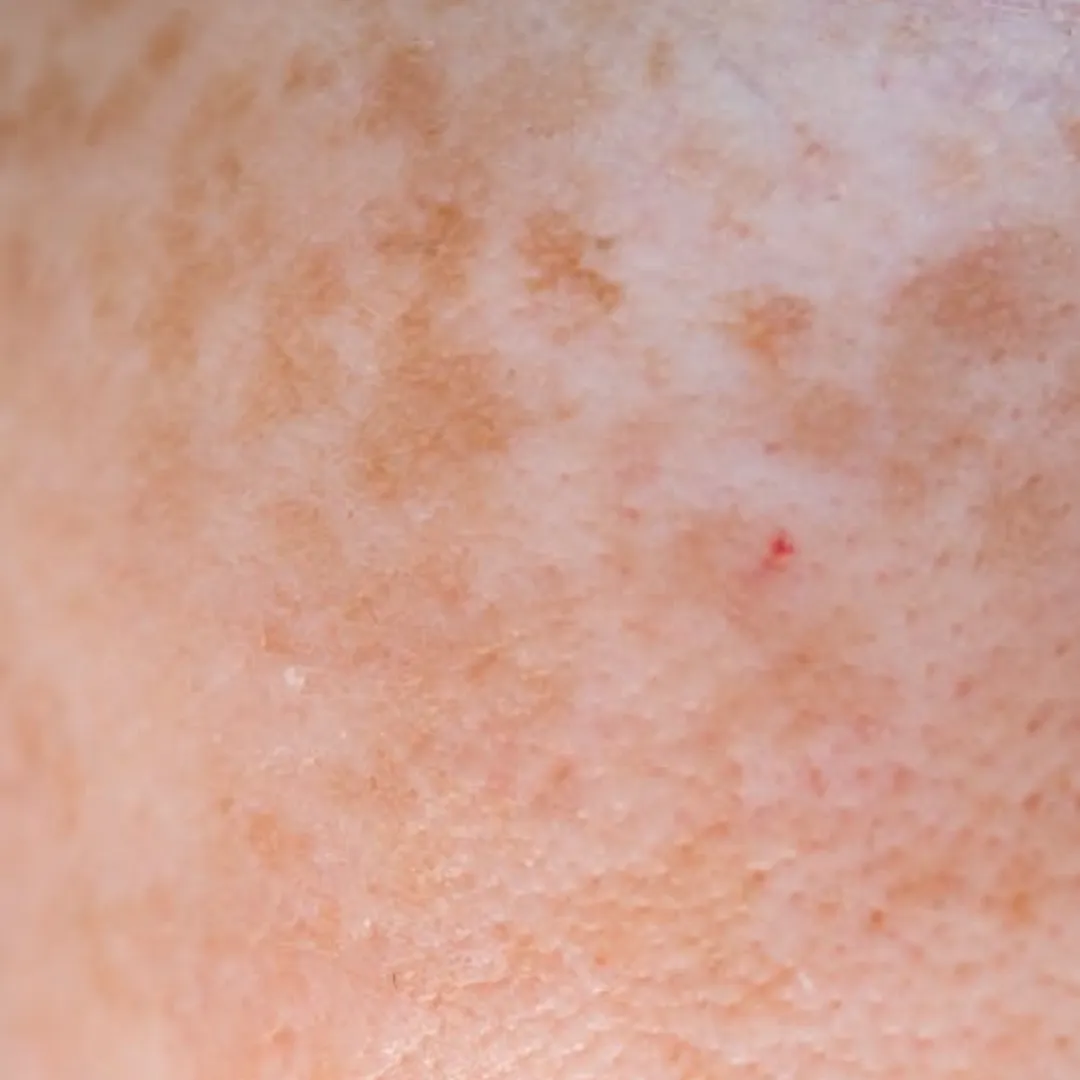
Skin Pigmentation & Melasma Treatment
Pigmentation treatment in Pune at The Skin Firm starts with a diagnosis, because dark patches aren't all the same condition. After a skin as…
FAQs on IV Drip Therapy in Pune
Areas We Serve
We welcome IV drip therapy patients from across South Pune, including NIBM, Mohammed Wadi, Kondhwa, Wanowrie, Undri, Magarpatta, Hadapsar and Camp, and from nearby areas of Pune.
Book Your IV Drip Consultation in Pune
If you are considering IV therapy in South Pune, The Skin Firm is at Mohammed Wadi, NIBM. A consultation covers a medical assessment, whether a drip is appropriate, the risks, who supervises it, and a written fee.
We see patients from Kondhwa, NIBM, Wanowrie, Undri and nearby areas. Call +91 8308669966 or use the button below to request a time.