What Is Laser Beard Shaping?
Laser beard shaping uses a laser that is absorbed by the pigment in hair to reduce hair along chosen edges, such as the neckline and cheek line, so the beard has a cleaner outline with less daily shaving. It is also sometimes used to thin patches or reduce razor bumps.
What to expect honestly. The American Academy of Dermatology says laser hair removal works better on dark hair and light skin, that darker skin or lighter hair needs very careful treatment, that most people need 2 to 6 treatments about 4 to 6 weeks apart, and that results can last months or years, with maintenance sometimes needed. Results vary and cannot be promised.
Plan the line carefully. Laser reduces hair in the treated follicles, and that cannot be undone, so we agree and mark the beard line with you before treatment and usually start conservatively. See our diode laser page for the device type and our laser hair removal page for the general process.
Beard Areas We Can Assess
Neckline
Cheek line
Upper cheeks and sideburn edges
Under the chin and throat
Patchy or uneven areas
Areas with razor bumps or ingrown hairs
Who Assesses and Plans Your Treatment
Dr. Karishma Singh, Founder and Skin & Aesthetic Specialist (BHMS, FCHD), leads treatment planning and procedures. Dr. Monica C., Consultant Dermatologist (MD Dermatology, Venereology & Leprosy; NMC-registered), assesses medical causes and prescribes medicines where they are needed.
Laser hair removal is a medical procedure. We tell you at the consultation which doctor assesses you and who performs the sessions, and we advise against treatment if your skin or health makes it unsuitable.
How Our Laser Beard Shaping Works
Consultation & Skin Assessment
We look at your hair colour and thickness, skin tone, sun exposure, medicines, hormonal or skin conditions and what you want to treat. We tell you if laser is unlikely to suit you.
Patch Test and Plan
Where advised, we test a small area. We then explain the likely number of sessions, the gap between them, the risks and the written fee.
Laser Session
The line is mapped and marked with you, protective eyewear is worn and the laser is passed over the marked edges with cooling. A numbing gel can be used where suitable.
Aftercare & Review
You get written aftercare. We review how your skin and hair respond and adjust settings or the plan at each visit.
Laser Beard Shaping Options in Pune
Neckline Clean-Up
Reducing hair below the chosen neckline so the edge stays tidy.
Cheek Line Definition
Shaping the upper cheek edge to the line you choose.
Edge Mapping
Marking and agreeing the full outline before any treatment.
Thinning and Softening
Reducing density in selected areas. Over-treatment can leave patches, so we go in stages.
Maintenance Sessions
Because some hair can return, occasional touch-ups may be needed.
What Results Can You Expect?
The AAD says the first treatment typically reduces hair by around 10 to 25 percent, and most people need 2 to 6 treatments. Beard hair is dense and can respond unevenly, and hormone-driven growth can bring new hair.
Results vary from person to person and cannot be promised. Light, grey or fine hair responds less well, and hormonal conditions can cause new hair to appear.
Laser Beard Shaping Cost in Pune
The cost depends on the area treated, the number of sessions and any maintenance.
We don't work from a fixed price list. After your consultation you receive the recommended plan and a written fee, so you can decide at your own pace.
What Our Laser Beard Shaping Plan Covers
Agrees the line first. Marked before treatment.
Starts conservatively. Reduction cannot be undone.
Assesses skin and hair. Beard skin can be sensitive.
Explains side effects. Including pigment change.
Gives shaving and sun advice. To protect facial skin.
Reviews and adjusts. The line is refined over sessions.
Downtime After Laser Beard Shaping

The AAD notes common effects are mild discomfort, swelling and redness that last 1 to 3 days.
Treated hair sheds over the following days to weeks, which can look like regrowth.
Most people return to routine activities, with sun protection for the treated skin.
Post-Care After Laser Beard Shaping
Avoid direct sun and tanning on the treated skin, as the AAD advises.
Use a cool compress for discomfort and an unscented moisturiser.
Avoid hot water, saunas, scrubs and shaving over irritated skin for 24 to 48 hours.
Shave only as we advise, and avoid waxing or plucking between sessions.
Do not pick at any crusts or blisters.
Contact us if you notice blistering, burns, spreading redness or pus.
Safety, Side Effects and Choosing Who Treats You
Common effects are discomfort, redness and swelling for 1 to 3 days. The AAD lists blistering, cold sores, infection, scarring and skin lightening or darkening as rare risks, and says some colour changes can be long-term. Laser reduction of beard hair cannot be undone, so the line should be chosen carefully.
Tell us if you are pregnant or breastfeeding, have a tan, take medicines that make skin light-sensitive such as isotretinoin, tend to form keloid scars, have cold sores or an active skin infection in the area, or have a hormonal condition such as PCOS.
Why The Skin Firm is Pune's Trusted Clinic
Dermatologist-Led Expertise
Dr. Karishma Singh, Skin Specialist
Personalised Treatment Plans
no one-size-fits-all
Advanced Technology
medical-grade, safe & effective
Proven Track Record
thousands of happy patients
Safety First
evidence-based, dermatologist-approved care
Who Can Consider Laser Beard Shaping?
Men who want a defined beard line and less shaving.
People with razor bumps or ingrown hairs can be assessed.
People with dark hair and lighter skin usually respond better.
People with darker skin or lighter hair can be assessed, but need very careful treatment.
People who accept that reduction of treated hair cannot be undone.
Treatment may need to wait or change if you have a tan, an infection, active cold sores or irritation on the face, take medicines that make skin light-sensitive, or have a skin condition. Tell us at your consultation.
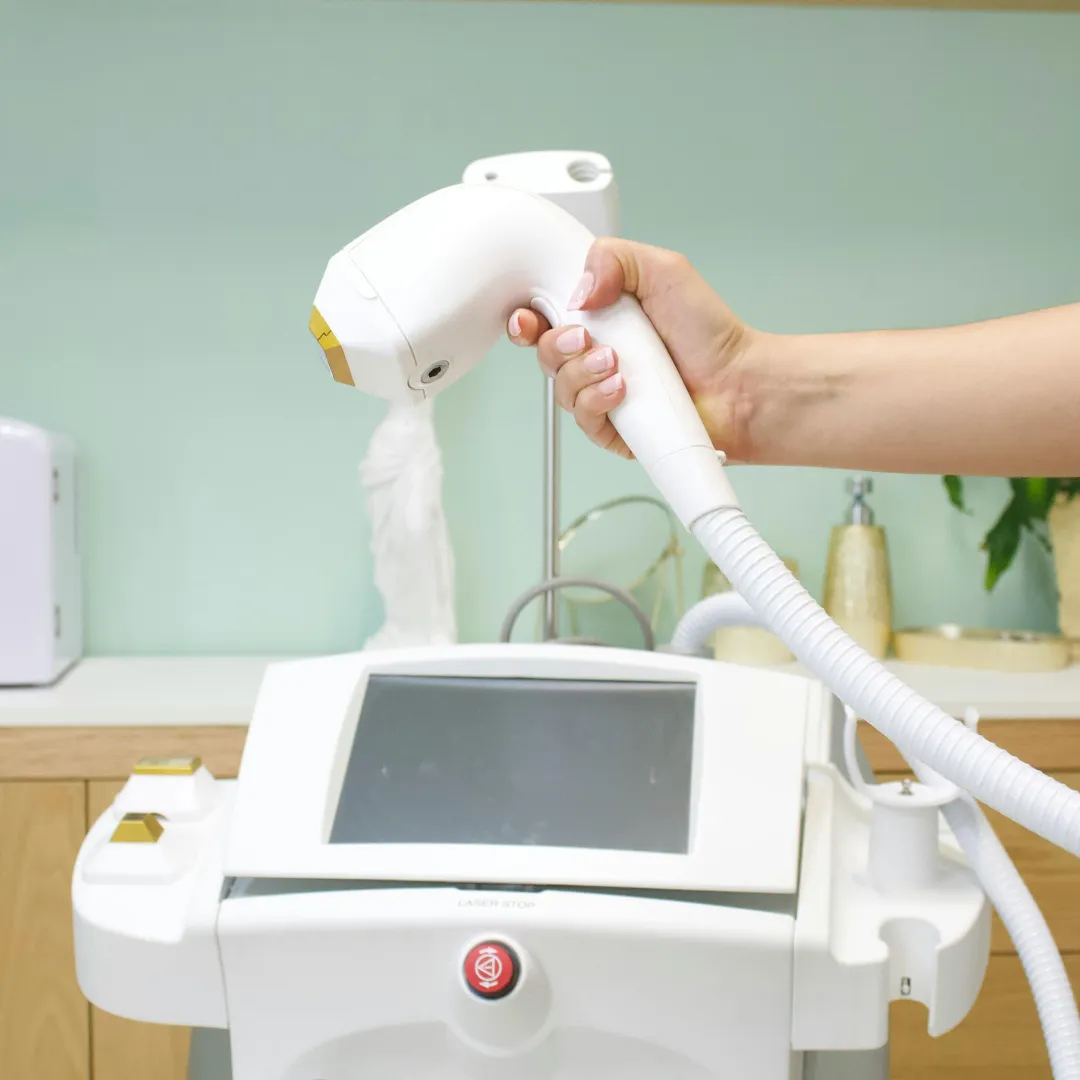
Laser Hair Removal
Laser hair removal uses pulses of laser light to damage hair follicles so that less hair grows back. It is a hair reduction treatment: the A…
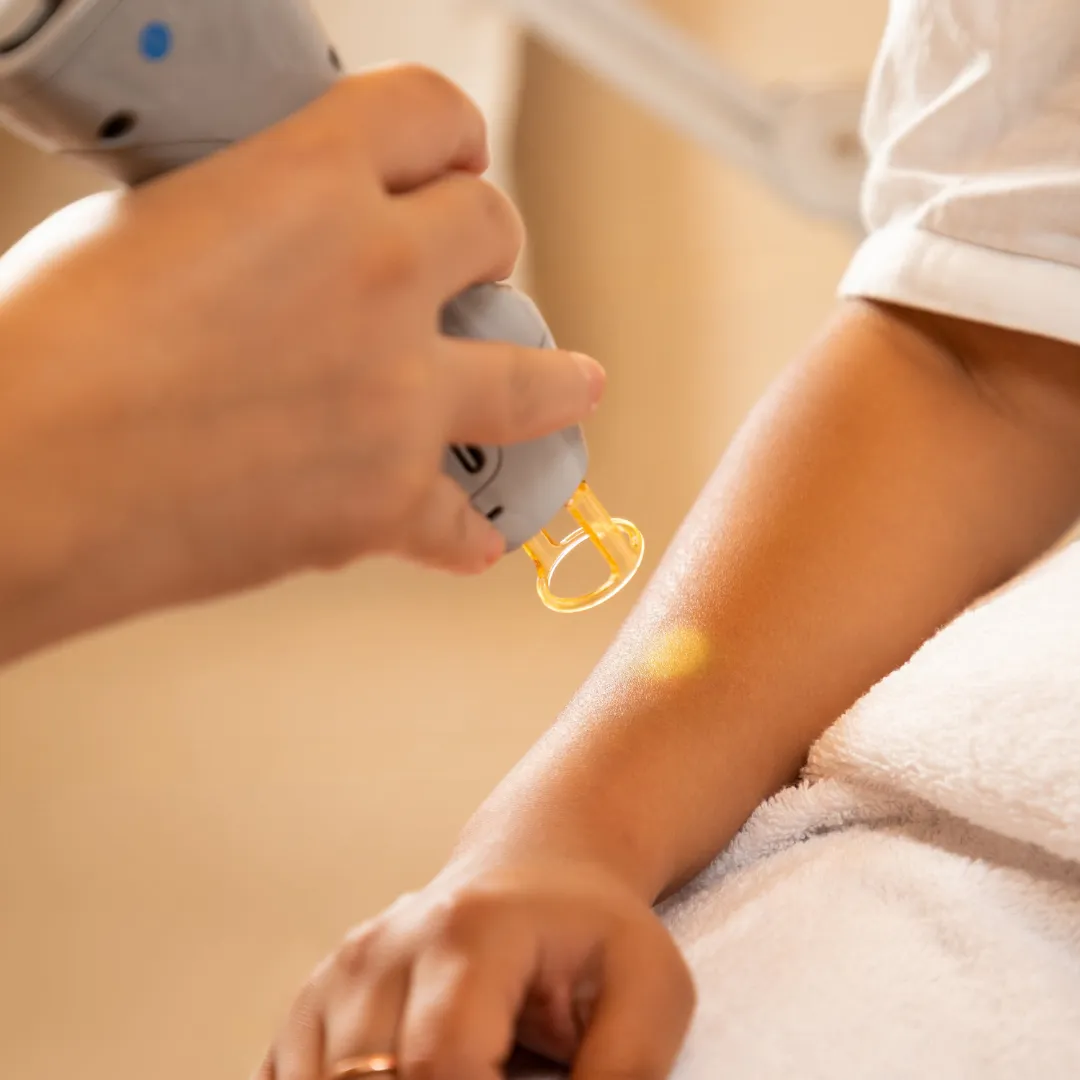
Diode Laser Hair Removal
Diode laser hair removal uses a laser of a specific wavelength that is absorbed by the pigment in hair. The heat damages the hair follicle s…
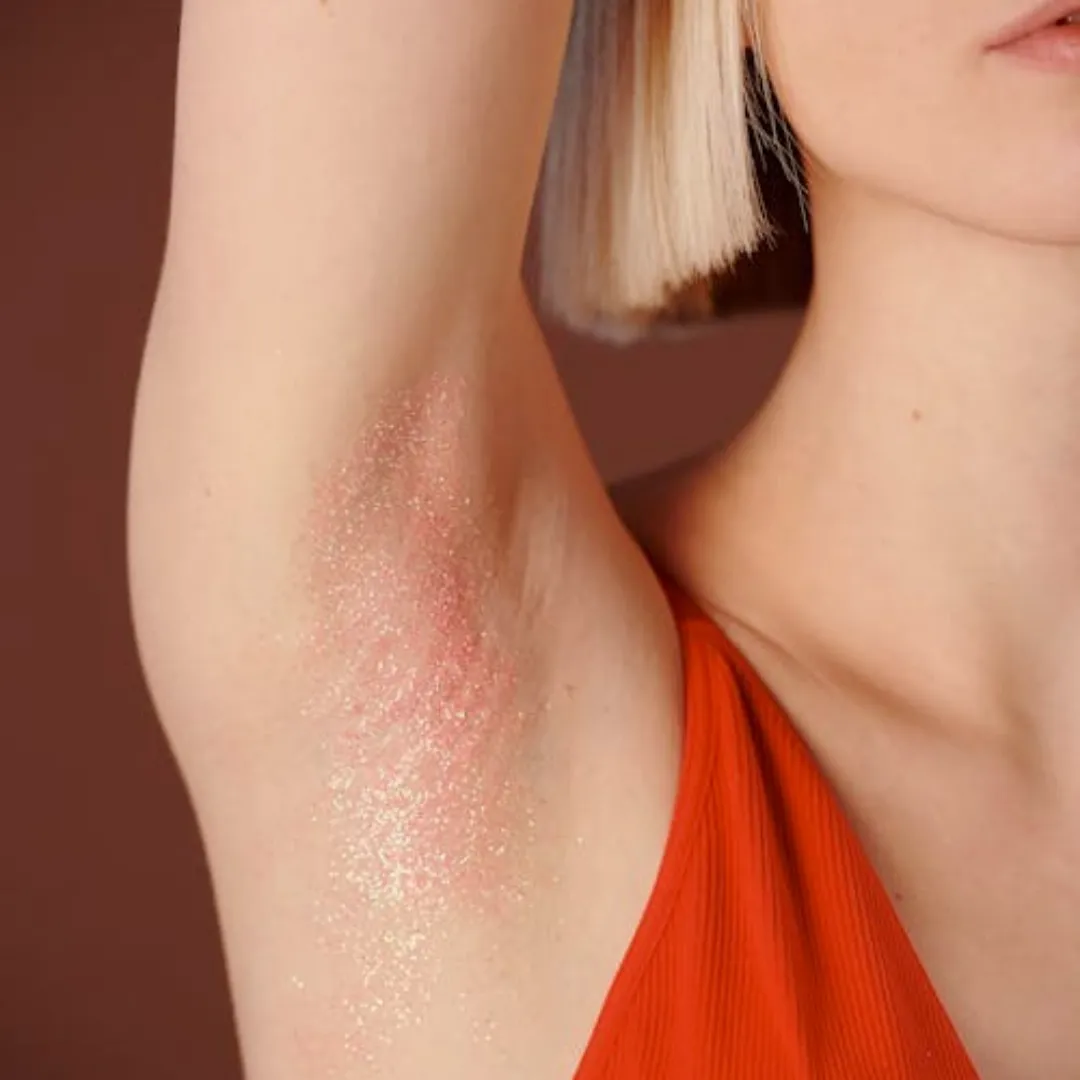
Underarm Whitening
Dark underarms are common and usually harmless. Causes include friction and sweat, shaving or waxing irritation, deodorants or other product…
FAQs on Laser Beard Shaping in Pune
Areas We Serve
We welcome laser beard shaping patients from across South Pune, including NIBM, Mohammed Wadi, Kondhwa, Wanowrie, Undri, Magarpatta, Hadapsar and Camp, and from nearby areas of Pune.
Book Your Laser Beard Shaping Consultation in Pune
If you are considering laser beard shaping, The Skin Firm is at Mohammed Wadi, NIBM, South Pune. A consultation covers an assessment of your beard and skin, the line you want, the number of sessions and a written fee.
We see patients from Kondhwa, NIBM, Wanowrie, Undri and nearby areas. Call +91 8308669966 or use the button below to request a time.