 Add as a preferred source on Google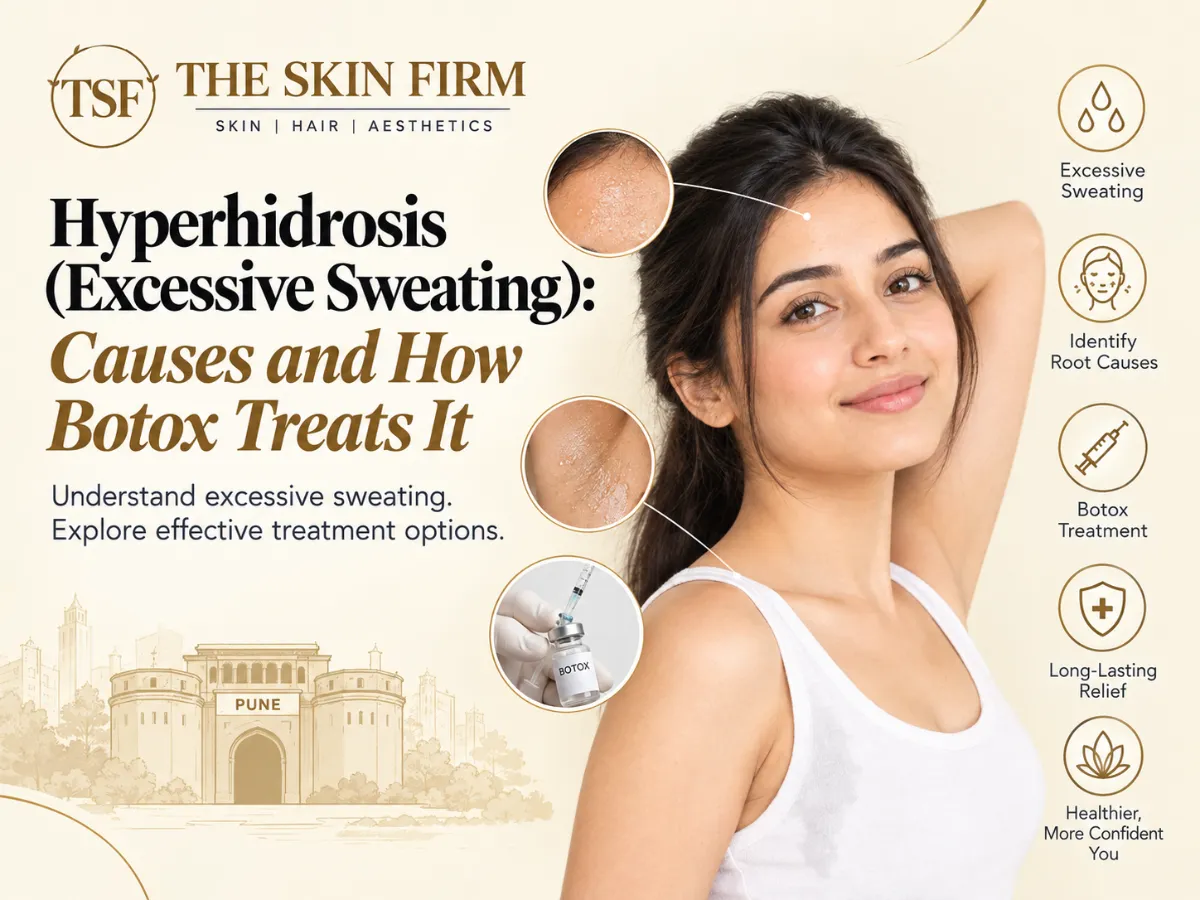
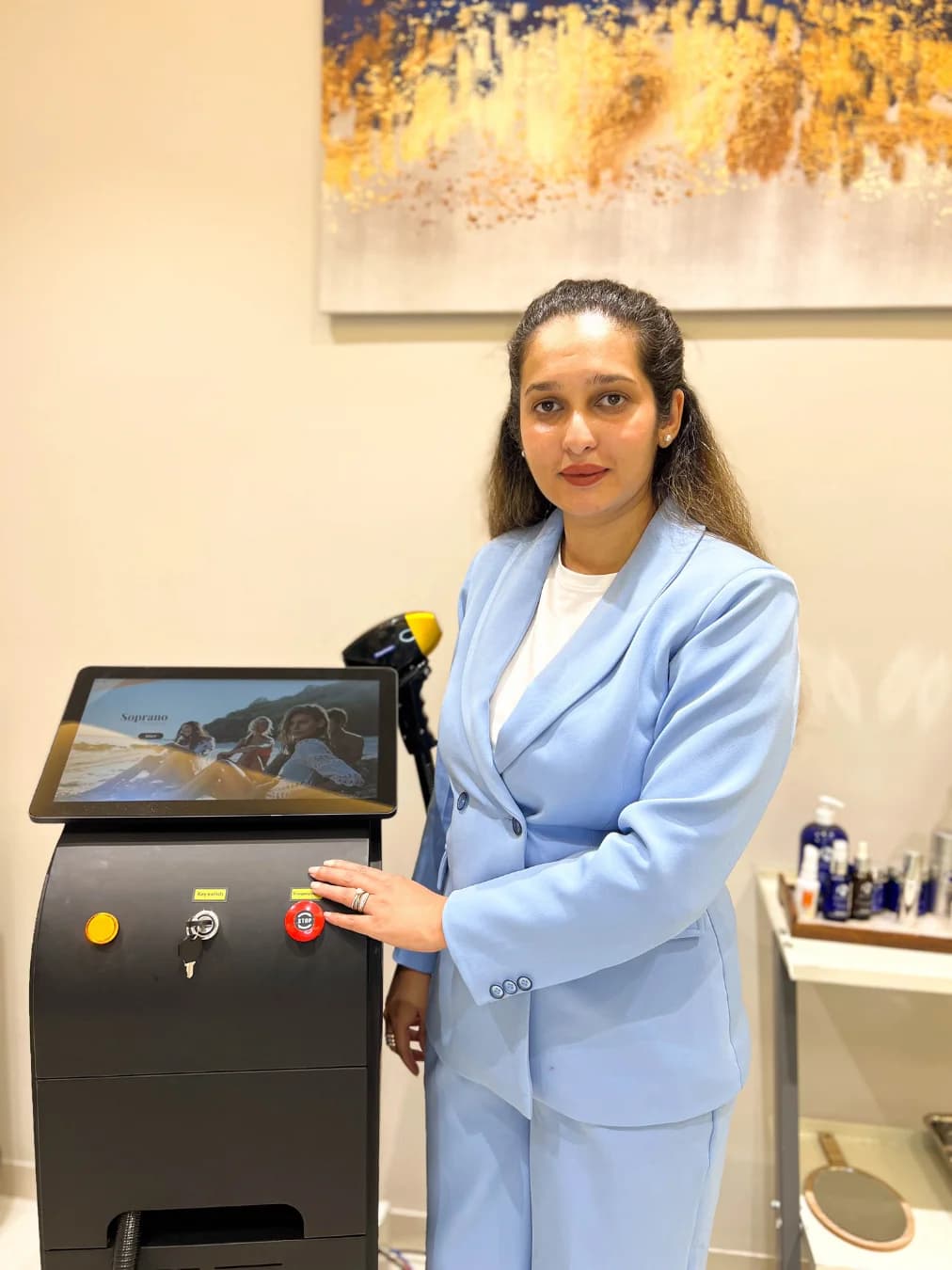
Excessive sweating that has nothing to do with heat, exercise, or anxiety is a genuine medical condition — hyperhidrosis — and it affects far more people in Pune than most realise. If you find yourself needing multiple shirt changes a day, avoiding handshakes, or planning your wardrobe around sweat patches, you are not alone, and you are not without options. At The Skin Firm — South Pune's best skin clinic and aesthetic clinic at NIBM Mohammed Wadi — Dr. Karishma Singh, skin specialist and aesthetic dermatologist, explains what causes hyperhidrosis and how Botox has become one of the most effective, medically proven treatments available today.
What Is Hyperhidrosis? Understanding the Condition
Hyperhidrosis is excessive sweating beyond what your body needs for temperature regulation. While everyone sweats in heat or during exercise, hyperhidrosis causes profuse sweating even at rest, in cool environments, or during low-stress situations — often concentrated in specific areas rather than across the whole body.
Doctors classify hyperhidrosis into two types. Primary focal hyperhidrosis has no underlying medical cause and typically affects the underarms, palms, soles, and face — it often begins in the teenage years and tends to run in families. Secondary hyperhidrosis is caused by an underlying condition (thyroid disorders, diabetes, menopause, certain medications) and tends to cause sweating across the whole body rather than specific areas. Identifying which type you have is the first step your dermatologist takes before recommending treatment.
What Causes Excessive Sweating?
- Overactive Sweat Glands: In primary hyperhidrosis, the nerves that trigger sweat glands are overactive, causing them to produce sweat far beyond what's needed for cooling — even when you are not overheated.
- Genetics: A significant proportion of primary hyperhidrosis patients have a family history of the condition, suggesting a genetic predisposition to overactive sweat gland activity.
- Hormonal Changes: Puberty, pregnancy, and menopause can all trigger or worsen excessive sweating due to hormonal fluctuations affecting the nervous system's control over sweat glands.
- Underlying Medical Conditions: Thyroid disorders (particularly hyperthyroidism), diabetes, and certain infections can cause secondary hyperhidrosis. This is why a proper diagnosis matters before starting any treatment.
- Pune's Climate: While climate does not cause true hyperhidrosis, Pune's humid monsoon months and hot summers can significantly worsen symptoms for patients who already have the underlying condition, making it feel more disruptive during certain seasons.
- Stress and Anxiety: Emotional sweating triggered by stress or social anxiety often overlaps with hyperhidrosis, sometimes creating a difficult cycle where sweating causes anxiety, which in turn worsens sweating.
How Botox Treats Hyperhidrosis
Botox (Botulinum Toxin Type A) is one of the most effective, medically validated treatments for focal hyperhidrosis, particularly for the underarms, palms, and soles. It works by blocking the release of acetylcholine, the chemical messenger that signals your sweat glands to produce sweat. When injected precisely into the affected area, Botox temporarily disables this signal, dramatically reducing sweat production in that specific zone.
The treatment is quick — typically 20 to 30 minutes for underarm treatment — and involves a series of small, shallow injections across the affected area using a very fine needle. Topical numbing cream is applied beforehand to minimise discomfort, particularly important for the more sensitive palm and sole areas. Results become noticeable within 2 to 4 days and reach full effect by about 2 weeks, typically reducing sweating by 80 to 90% in the treated area.
What to Expect From Botox for Hyperhidrosis
- Duration of Results: Effects typically last 4 to 6 months, after which sweat gland activity gradually returns. Repeat treatments maintain results over time.
- Areas Commonly Treated: Underarms are the most frequently treated area, though palms, soles, and the forehead/scalp can also be treated by an experienced dermatologist.
- Downtime: Minimal to none. Most patients resume normal activities immediately after treatment, avoiding only strenuous exercise for 24 hours.
- Side Effects: Generally well-tolerated, with mild bruising or tenderness at injection sites being the most common temporary effect.
- Who Is a Good Candidate: Patients with primary focal hyperhidrosis who have not found sufficient relief from clinical-strength antiperspirants are typically excellent candidates for Botox treatment.
Other Treatment Options Alongside Botox
Botox is not the only tool available, and at The Skin Firm, Dr. Karishma Singh often recommends a combined approach depending on severity and the areas affected.
Clinical-strength antiperspirants containing aluminium chloride are typically the first-line treatment for mild cases and can be used alongside Botox to extend results between sessions. These differ significantly from regular over-the-counter deodorants — they work by temporarily plugging sweat ducts rather than simply masking odour, and are usually applied at night for maximum effectiveness.
Iontophoresis is a non-invasive treatment using mild electrical currents passed through water, particularly effective for palm and sole sweating that can be harder to treat with injections alone. Sessions are typically done several times a week initially, then tapered to maintenance frequency once symptoms improve — a good option for patients who prefer to avoid injections or who need additional control beyond what Botox provides for the hands and feet specifically.
For secondary hyperhidrosis, treating the underlying medical condition — whether thyroid dysfunction, diabetes, or a medication side effect — is essential alongside any topical or injectable treatment. This is precisely why an accurate diagnosis distinguishing primary from secondary hyperhidrosis matters before starting any treatment plan; treating symptoms without addressing an underlying cause provides only partial, temporary relief.
How Hyperhidrosis Affects Daily Life — and Why Treatment Matters
Beyond the physical discomfort, hyperhidrosis carries a significant emotional and social toll that is often underestimated by people who do not experience it. Patients frequently describe avoiding handshakes, choosing dark or patterned clothing specifically to hide sweat marks, and feeling anxious in professional settings where visible sweating can be misread as nervousness or poor hygiene.
For patients with palm sweating, everyday tasks like holding a pen, using a touchscreen, or shaking hands during a job interview can become sources of genuine distress. This social and professional impact is well documented in dermatological literature, and it is one of the key reasons hyperhidrosis is treated as a legitimate medical condition warranting proper intervention — not merely a cosmetic inconvenience to be managed with stronger deodorant. At The Skin Firm, Dr. Karishma Singh takes this impact seriously during consultation, discussing not just the physical symptoms but how they affect your daily confidence and routine.
Why Choose The Skin Firm for Hyperhidrosis Treatment
Hyperhidrosis treatment requires precise injection technique and an accurate understanding of sweat gland distribution — not something that should be approached casually. At The Skin Firm, Dr. Karishma Singh personally assesses each patient's sweating pattern and severity before recommending a treatment plan, ensuring Botox is injected exactly where it will have the most impact. Our aesthetic clinic uses the same medical-grade Botox used for cosmetic anti-ageing treatments, applied with the precision this functional treatment demands. More at: theskinfirm.in/hyperhidrosis-treatment-in-pune/
Recognising Hyperhidrosis vs Normal Sweating: A Practical Checklist
Many patients spend years unsure whether what they experience is simply "sweating a lot" or a genuine medical condition worth treating. Dermatologists generally consider a few practical signs helpful in making this distinction, though a proper diagnosis always requires an in-person consultation rather than self-assessment alone.
Sweating that occurs symmetrically on both sides of the body — both underarms, both palms, or both soles equally — is a hallmark of primary focal hyperhidrosis, as opposed to sweating triggered by a specific, identifiable cause. Onset before the age of 25, a family history of similar symptoms, and sweating episodes occurring at least once a week are additional criteria doctors use when evaluating the condition. Perhaps most tellingly, primary hyperhidrosis typically stops during sleep, while some causes of secondary hyperhidrosis can cause sweating even overnight — a detail worth mentioning specifically during your consultation, as it helps your dermatologist determine whether further medical investigation is warranted before starting Botox treatment.
If you recognise several of these patterns in your own experience, it is worth booking a proper dermatological consultation rather than continuing to manage symptoms with increasingly strong over-the-counter products. Early, accurate diagnosis makes treatment — whether Botox, iontophoresis, or addressing an underlying condition — significantly more effective.
Book Your Hyperhidrosis Consultation at The Skin Firm
You do not have to manage excessive sweating indefinitely. At The Skin Firm — South Pune's best aesthetic clinic — Dr. Karishma Singh offers Botox treatment for hyperhidrosis with a personalised assessment of your specific sweating pattern and severity. Book your consultation today.
Book Your Consultation at The Skin Firm
Ready to start your skin care journey? Visit The Skin Firm — South Pune's best skin clinic — for personalised skin care treatments by our expert skin specialists.
Contact The Skin Firm
- 1st Floor, Society Gate 1, Plot no.1, NIBM Post Office Rd, opp. Tribeca Highstreet, Mohammed Wadi, Pune 411060
- +91 8308669966
- hello@theskinfirm.in
- Tuesday – Sunday: 10:00 AM – 8:00 PM | Monday: Closed
- Appointment Policy: Please arrive 15 minutes early. 24-hour cancellation notice required.
- theskinfirm.in