 Add as a preferred source on Google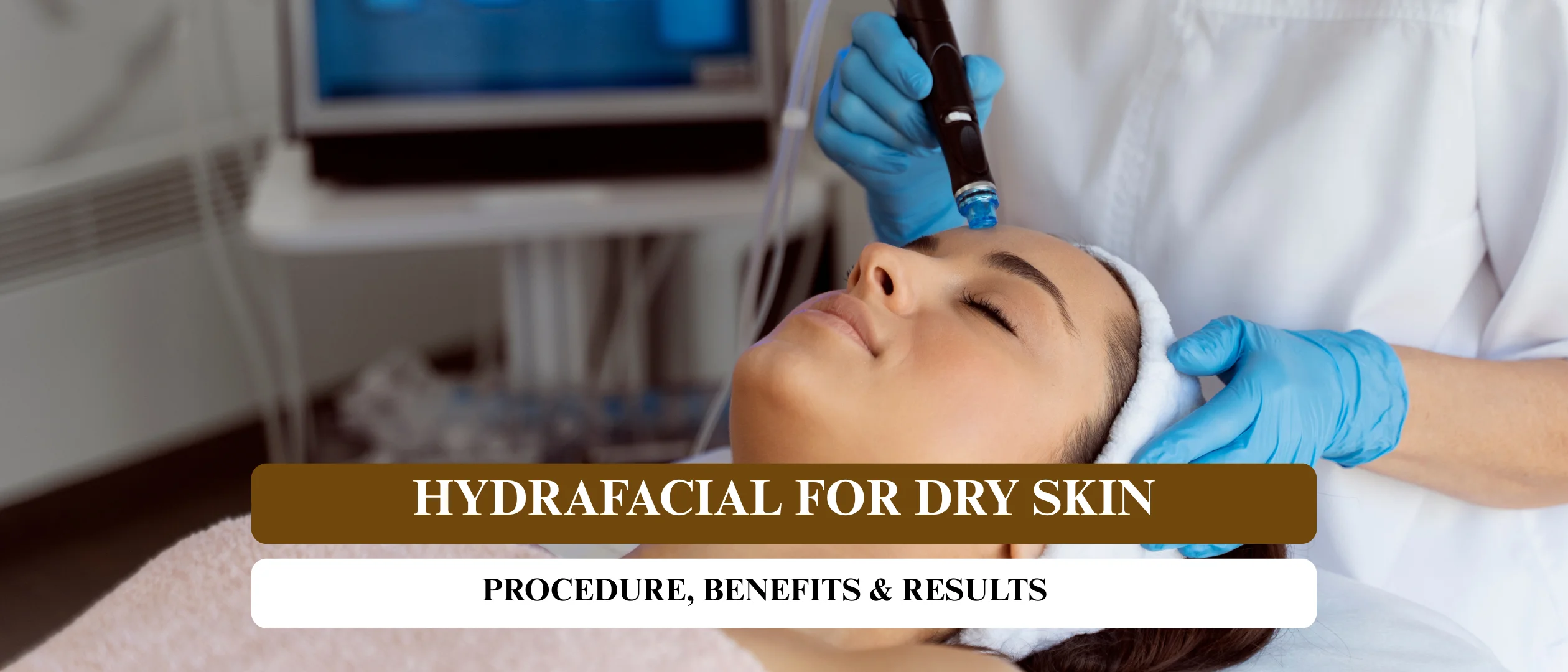
Dry skin sounds like a minor complaint. And if you have never really dealt with it, you probably think it is. Drink more water, use a thicker moisturizer, done.
Except that is not really how it works. The moisturizer helps for a couple of hours, sometimes less. The tightness comes back. The flaky patches return. You switch products, try something richer, something with better reviews, and the improvement is marginal at best. It is the kind of problem that makes you feel like you are doing something wrong when really the issue runs deeper than what a cream can fix.
And then there is the way it looks. That is honestly what most people find hardest. Dry skin has a tired quality to it. Flat and a bit dull, like your face has lost some of its energy. Makeup sits badly. Fine lines show up more than they should, not because anything has dramatically changed, but because skin without enough moisture just does not have the volume to smooth them out. You can feel fine and still catch yourself in a mirror looking worn out.
Most people dealing with this have been through the cycle already. Better products, more steps, different routines. And sometimes things get a little better. But there tends to be a point where at-home skincare hits a ceiling and stops making much difference. That is when a proper professional treatment becomes worth considering, and Hydrafacial is one that genuinely makes sense for this kind of skin.
At The Skin Firm Clinic, each treatment gets properly customized before it begins. Not the same session applied to everyone, but something actually tailored to what your skin needs that day.
The Thing Most People Are Not Told About Dry Skin
Here is something that explains a lot. When skin is consistently dry, its natural renewal cycle slows down. Normally, old skin cells shed and make way for fresh ones. When that process drags, those old cells just sit there and pile up. They form a layer on the surface, and that layer gets between your skincare products and your actual skin.
So the moisturizer you apply? It is landing on top of that buildup, not underneath it. Same with serums and anything else you put on. It is a bit like trying to water a plant through several centimetres of dry compacted soil and wondering why it is not reaching the roots.
Better products help to a point, but they cannot fully compensate for a surface that has not been properly cleared. And they definitely cannot push hydration in as deeply as a professional treatment can. That combination, clearing the surface and then getting moisture in at real depth, is precisely what Hydrafacial is designed around.
What the Treatment Actually Is
Hydrafacial is a professional facial done with a specialized device rather than by hand. It works on a vortex-based system that draws impurities out of the skin and pushes hydrating serums in at the same time. Both happen together, which sets it apart from most facials where cleansing, extracting, and moisturizing happen as separate steps at different stages.
In practice it is much more comfortable than it probably sounds. No scrubbing, no uncomfortable extractions done manually, nothing that leaves your face red for two days afterward. Most people find it genuinely relaxing. A session usually takes somewhere between 45 minutes and an hour and a bit, and there is no recovery period to plan around. People generally walk out and get on with their day.
What Actually Happens During the Session
Every session at The Skin Firm Clinic starts with a proper look at your skin. What it needs on that particular day shapes how the treatment is set up, so it is not just a standard run-through.
From there it moves through five stages. The first is a gentle clean and exfoliation, clearing away dead skin cells, residue, and surface buildup. This step probably matters more than people expect because everything that follows is more effective when the surface has been properly prepared.
After that, a mild peel solution goes on to loosen congestion from inside the pores. Worth being clear that this is nothing dramatic. The kind of peel that leaves skin visibly peeling for a week is a completely different category. This one is subtle and most people barely notice it happening.
Then extraction, using gentle suction rather than manual pressure. Anyone who has had the old-fashioned kind of manual extractions done will know exactly how different that is in terms of comfort.
The serum infusion is the part that matters most for dry skin. Hydrating ingredients go into the skin using the vortex technology, reaching a depth that applying something topically at home simply cannot replicate. The serums typically include hyaluronic acid, which is very good at drawing moisture into the skin and keeping it there, along with peptides that support the skin's repair processes, antioxidants for protection, and conditioning ingredients that help calm and nourish. Together they give skin that is depleted and dry something it has actually been missing, rather than just adding temporary surface moisture.
The session finishes with moisturizer and SPF. Straightforward, but it protects the skin and helps hold in what the treatment has just delivered.
What You Notice Afterward
Immediately after, skin tends to look and feel different in a way that is fairly obvious. Softer. More hydrated. That flat, tired quality lifts. There is a brightness that was not there before, and it is not the kind that comes from having product sitting on the surface but the kind that comes from skin that has genuinely been cleared and nourished properly.
Something else people often notice in the days following treatment is that their regular skincare absorbs better. That makes sense, because the surface is actually clear in a way it probably was not before.
How long everything lasts varies between people. Two to four weeks is a realistic expectation for most. What you do at home between sessions makes a real difference to that. Coming in every four to six weeks tends to work well for dry skin in terms of keeping things consistently improved.
Who This Is For?
Honestly, quite a broad range of people. Persistent dryness and dehydration are the obvious fit, but also rough or flaky texture, a complexion that has gone dull, early signs of aging, sensitivity that puts stronger treatments out of reach, and skin that needs a reset after seasonal changes. Because the serums and treatment intensity can both be adjusted, it works for people with reactive skin too. Men and women, younger and older adults. It is the skin condition that guides the treatment, not any particular category.
What to Do Between Sessions?
The treatment works best when the at-home routine is decent. After a Hydrafacial, a gentle cleanser, moisturizer twice a day, and SPF every morning are the basics that genuinely support the results. Avoid anything abrasive for a few days after treatment. Your provider will be specific about what to skip and for how long.
Nothing complicated about it. But doing these things consistently does extend how long the results hold.
The Skin Firm Clinic
The clinic does not apply the same session to every patient and move on. Assessment comes before treatment, and what gets done is shaped by what each individual's skin actually needs. The focus is on results that hold up over time, not a surface-level improvement that fades by the end of the week, backed by straightforward guidance rather than overselling.
For anyone who has been dealing with persistent dry skin and feels like they have already taken the at-home approach as far as it will go, Hydrafacial is a practical next step. It addresses what topical products cannot. The surface gets properly cleared, hydration goes in at depth, and the session itself is comfortable with no recovery time needed. For a problem that has a habit of being stubborn, that is a reasonable combination.
A consultation at The Skin Firm Clinic is the right starting point. Your skin gets looked at properly first, which means the treatment actually gets set up to suit you.