
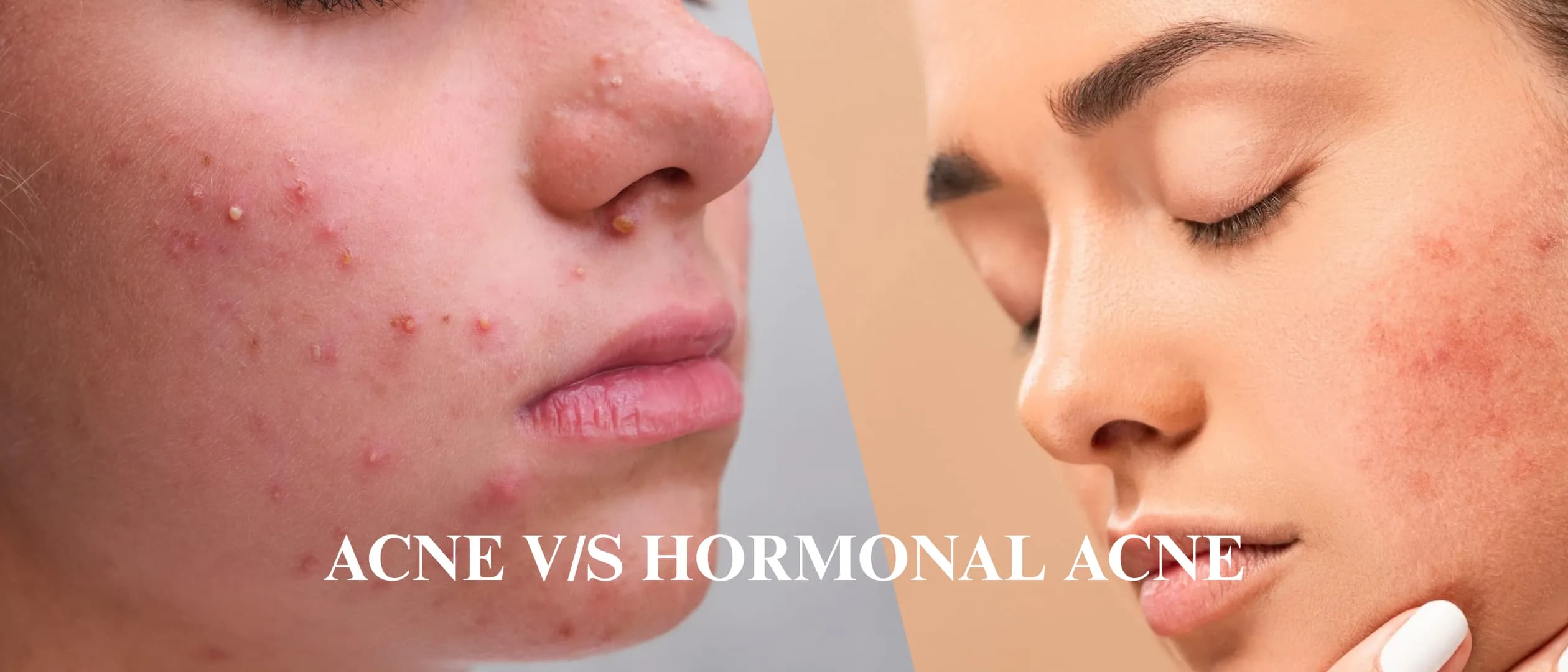
Acne is one of the most common skin concerns seen in dermatology clinics. But not all acne is the same. Many patients assume every breakout is “just acne,” when in reality, the underlying cause can be very different. One of the most misunderstood distinctions is the difference between regular acne and hormonal acne.
Get to know about the real cause behind your breakouts is important. Treatment that works for one type may not work for the other. In fact, using the wrong approach can sometimes make the condition worse.
Let’s break it down clearly.
What Is Common Acne?
Common acne, also known as acne vulgaris, develops when pores become clogged with excess oil, dead skin cells, and bacteria. It can affect teenagers and adults alike and is often influenced by skin type, hygiene habits, cosmetic products, and environmental factors.
Common Signs of Regular Acne
- Appears on the forehead, nose, cheeks, and sometimes back or chest
- Includes blackheads, whiteheads, and small red pimples
- Often linked to oily skin
- May worsen with poor skincare habits or comedogenic products
- Responds well to topical treatments in many cases
This type of acne is usually more surface-level and can improve with proper cleansing, exfoliation, and dermatologist-prescribed topical medications.
What Is Hormonal Acne?
Hormonal acne is triggered by fluctuations in hormone levels, especially androgens. These hormones increase oil production in the skin, leading to deep, inflamed breakouts.
Hormonal acne is more common in adult women, although men can experience it too. It tends to be cyclical and may flare at specific times.
Common Signs of Hormonal Acne
- Breakouts along the jawline, chin, and lower cheeks
- Deep, painful cysts under the skin
- Acne that worsens before menstruation
- Persistent acne after age 25
- Acne linked with irregular periods or PCOS
Unlike regular acne, hormonal acne often does not respond fully to topical treatments alone. It usually requires a more targeted medical approach.
Key Differences Between Acne and Hormonal Acne
Understanding the differences can help you identify the real trigger.
Location of Breakouts
Regular acne can appear almost anywhere on the face. Hormonal acne typically concentrates around the lower face, especially the jawline and chin.
Type of Pimples
Regular acne includes blackheads and whiteheads. Hormonal acne usually presents as deep, tender cysts that do not form visible heads.
Timing of Flare-Ups
Hormonal acne often follows a pattern. Many women notice breakouts right before their menstrual cycle. Regular acne does not usually follow a predictable monthly pattern.
Age of Onset
Teenagers commonly experience regular acne. Hormonal acne is more frequently seen in adults, particularly in their late twenties, thirties, and beyond.
How Is Acne vs Hormonal Acne Diagnosed?
Diagnosis begins with a detailed clinical evaluation. A dermatologist carefully examines the pattern, location, and type of breakouts. Jawline and chin-focused, deep cystic lesions that flare cyclically often indicate hormonal acne, whereas widespread blackheads and whiteheads typically suggest regular acne.
Medical history plays an important role. In women, menstrual irregularities, symptoms of PCOS, stress levels, and sudden adult-onset acne provide important clues. Previous treatment response is also assessed. If acne does not improve with standard topical therapy, a hormonal trigger may be suspected.
In selected cases, blood tests or hormonal evaluation may be advised to confirm underlying imbalance.
Types of Treatment for Acne and Hormonal Acne
Treatment depends on the underlying cause and severity.
- For regular acne, dermatologists usually recommend topical medications such as retinoids, benzoyl peroxide, and salicylic acid to unclog pores and reduce inflammation.
- Chemical peels or light-based procedures may be advised for persistent breakouts or acne marks.
- For hormonal acne, treatment often goes beyond surface-level therapy. Along with topical medications, oral treatments or hormonal regulation may be required to control oil production and recurring cystic breakouts.
- In selected cases, procedures like laser therapy or targeted injections are used to reduce deep inflammation and prevent scarring.
At The Skin Firm Clinic, acne is evaluated with a focus on identifying the real underlying trigger. Whether it is regular acne or hormonally driven breakouts, treatment plans are personalised rather than standardised.
The clinic combines medical therapy, procedural support when required, and practical skincare guidance. The goal is not just temporary improvement, but long-term control with minimal irritation and reduced risk of pigmentation.
Regular acne and hormonal acne may look similar at first glance, but their causes and treatments are different. Identifying the real trigger is the first step toward effective and lasting results.
If your acne keeps returning despite trying multiple products, it may be time to look deeper. A proper dermatological assessment can help you understand what your skin is trying to tell you — and how to treat it correctly.

.webp&w=3840&q=75)
.webp&w=3840&q=75)